As an Amazon Associate, we earn from qualifying purchases. Some links on this site are affiliate links at no extra cost to you. Our recommendations are based on thorough research and editorial judgment.


Why Air in the Line Can Make a Pressure Washer Pulse or Surge

I’ve seen air slip into the line when the water supply can’t keep up with the pump, when hoses kink or are too long, or when a partially closed valve creates a vacuum that pulls air in. Those air pockets lower pressure, cause the pump to draw vapor, and when the bubbles collapse they generate micro‑shock waves that make the unloader valve flutter and the impeller hunt, producing a pulsing or surging spray. Bleed and prime the hose, tighten fittings, and keep the inlet filter clean to eliminate the air, and you’ll notice the pulse disappears; the next section explains how to prevent it from returning.
Key Takeaways
- Air entering the hose creates low‑pressure pockets that cause the pump to lose steady flow, resulting in pulsing.
- Air pockets collapse as cavitation bubbles, producing micro‑shock waves that spike pressure and make the trigger valve flutter.
- Inconsistent inlet pressure forces the unloader valve to open and close rapidly, generating surge and intermittent bursts.
- Kinks, long hoses, or partially closed valves amplify air entry, disrupting the pump’s pressure regulation and causing surges.
- Bleeding and priming the line removes trapped air, restoring continuous flow and eliminating the pulsing or surging behavior.
How Air Enters a Pressure Washer and Causes Pulsing
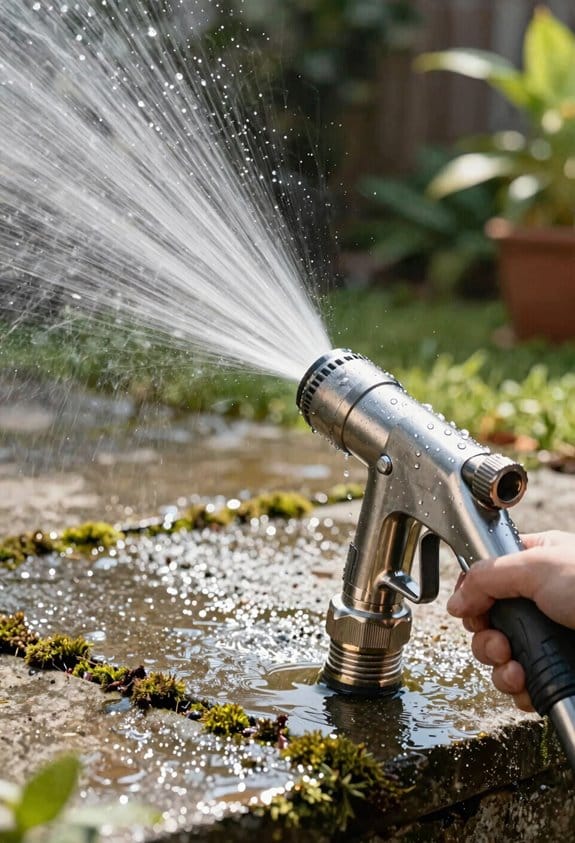
Ever notice that weird pulsing in your pressure washer when you pull the trigger, and wonder why it happens? It’s usually air sneaking in because the water supply can’t keep up with the pump’s demand. When the flow drops below the pump’s 4‑6 GPM rating, a little vacuum forms at the inlet, pulling air through the hose and filter. Those bubbles ride up to the pump chamber, expand and collapse, and break the steady water column, giving you that choppy feel.
Frankly, the fix is pretty straightforward. First, double‑check all hose connections for tightness and make sure the supply line isn’t kinked. A clean inlet filter is a must—replace it if it looks dirty or worn. After you’re done, bleed any trapped air by loosening the filter cap just a bit, then tighten it back up. This helps keep the pump fed with water, not air, and stops the pulsing.
Worth knowing: a quick priming routine can save you a lot of hassle. Fill the hose with water before you start, then run the pump for a few seconds with the trigger pulled. You’ll see the water flow smoothly, and any air bubbles will be pushed out. If you still hear a wobble, check the seals on the pump; worn seals can let air slip in.
Here’s the trick: keep an eye on the pump’s performance rating. If you’re using a hose that’s too long or too narrow for the 4‑6 GPM flow, you’ll create that vacuum again. Switching to a larger‑diameter hose or shortening the run can make a big difference. Also, make sure the water source itself isn’t throttling—sometimes a partially closed valve is the hidden culprit.
Try this: before each use, give the whole system a quick shake while the pump is off. That helps any lingering air bubbles rise to the top where they can escape through the vent. Then, re‑secure the filter and you’re ready to go.
Cavitation: Why It Creates Pressure Washer Pulsing
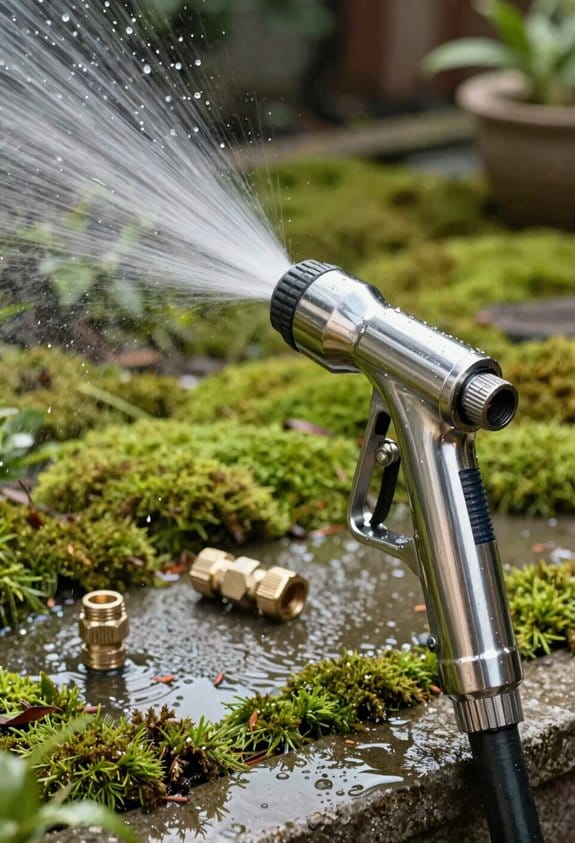
Ever notice your pressure washer suddenly starts thumping like a drum? That’s cavitation kicking in, and it’s not just a weird noise—it’s a real problem for your machine.
When the pump pulls water faster than the supply can keep up, a low‑pressure zone shows up at the inlet. Tiny air pockets form and then collapse into cavitation bubbles. Each bubble implodes creates a micro‑shock wave that rattles through the pump’s chamber, pushing the pressure up for a split second. That sudden spike makes the trigger valve jump open and closed, giving you the pulsing feel.
The cycle keeps going: bubbles pop, pressure spikes, valve flutters, and you get that familiar surge. Over time, those implosions hammer the rotating impeller. The high‑velocity strikes wear down the metal, eroding the vanes and dropping efficiency.
Fair warning: if you let this keep, your washer will lose power and you’ll end up replacing parts far sooner than you’d like.
Here’s the trick: keep a steady flow rate that’s above the pump’s minimum gallons‑per‑minute (GPM) rating. Make sure the hose isn’t kinked and that the inlet screen stays clean. Those steps keep the pressure stable and protect the internals.
Worth knowing:
- Check the hose for bends before each use.
- Clean the inlet screen at least once a month.
Household Situations That Let Air Into Your Washer
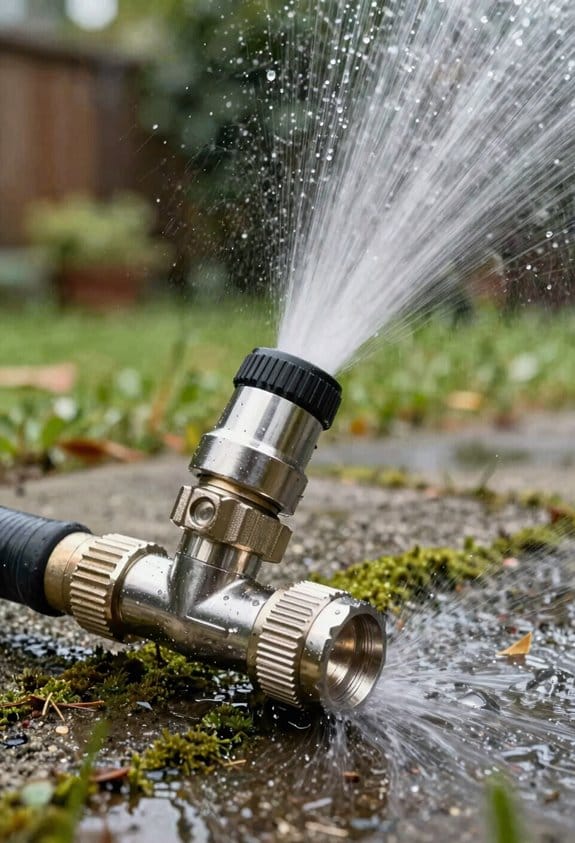
Ever had your washer sputter and stall because air sneaks into the water line? It usually happens when the hose is coiled up tight. The kink creates a low‑pressure spot that pulls air in instead of water. Then, when you start the machine after a break, the leftover water in the tank can draw air through the inlet filter—especially if the filter’s clogged or the supply valve isn’t fully open.
One trick: run water through the hose before you hook it up to the washer. That pushes out any trapped air and helps keep the flow steady. Also, keep the hose as straight as possible; sharp bends are a prime spot for air pockets to form.
- Tighten every joint and check for corrosion.
- Replace any worn washers.
- Make sure the supply valve is fully open.
I’ve seen leaky fittings at outdoor taps let air in, especially when a garden hose is left unattended and the connection loosens. If you notice a hiss or a pause in the fill cycle, that’s a tell‑tale sign air’s getting in.
Fair warning: a clogged inlet filter can turn a small air leak into a big problem. Clean it out regularly, and you’ll avoid a lot of hassle.
Try this: after you finish a load, let the water run for a few seconds before you shut the machine off. That clears any water left in the hose and reduces the chance of air being sucked back in.
Keeping the hose straight, avoiding sharp bends, and making sure the valve is fully open are simple steps that keep the water flowing smoothly. Have you tried any of these fixes yet? Let’s hear how they worked for you.
How to Bleed and Prime Your Pressure Washer to End Pulsing
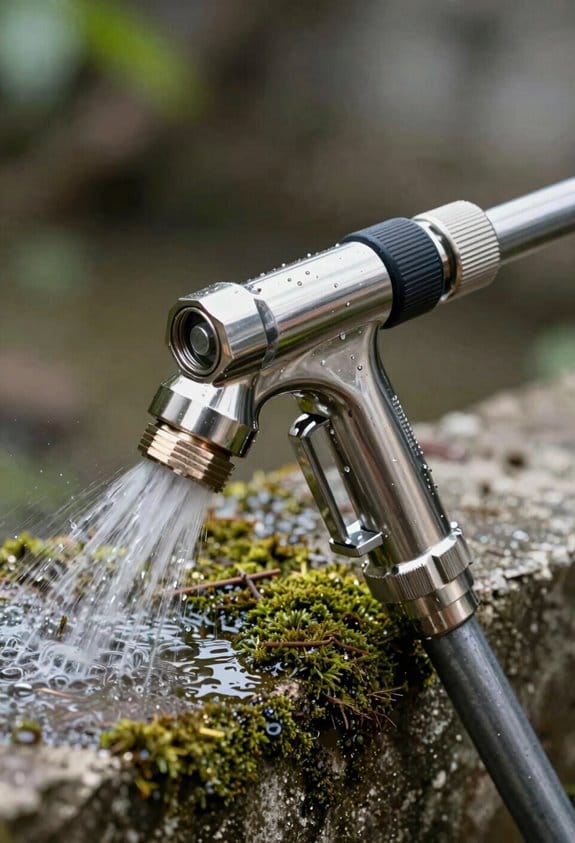
Ever notice your pressure washer starts to pulse just as you’re trying to get the job done? It’s usually air stuck in the pump, and it can turn a smooth clean into a frustrating mess. Below is a simple routine that will get rid of that pulsing and keep your washer running steady.
Bleed the inlet hose
- Disconnect the hose from the pump.
- Open the inlet valve all the way.
- Squeeze the trigger until water flows out in a steady stream—no air bubbles.
This step pushes the trapped air out of the hose and into the atmosphere, so the pump won’t have to fight it later.
Prime the pump
Close the inlet valve, snap the hose back on, and pull the trigger all the way. Keep it held open until you see a full, uninterrupted stream of water, then let go. Do the same thing a second time.
Doing this twice fills the pump chambers with water, wiping out any hidden air pockets that cause cavitation and the dreaded pulsing.
Check the spray
Take a look at the nozzle’s spray pattern. It should be uniform, with no sputtering or uneven bursts. If it still looks wonky, repeat the bleed‑and‑prime steps once more.
Frankly, the whole process only takes a few minutes, and it saves you from wasting time and water later on. Worth knowing: a clean pump means consistent pressure and a cleaner surface every time you fire it up.
Give it a try before your next big clean‑up and see how much smoother the job runs. Ready to ditch the pulse and get back to a solid, steady spray?
Long‑Term Maintenance to Prevent Pressure Washer Pulsing
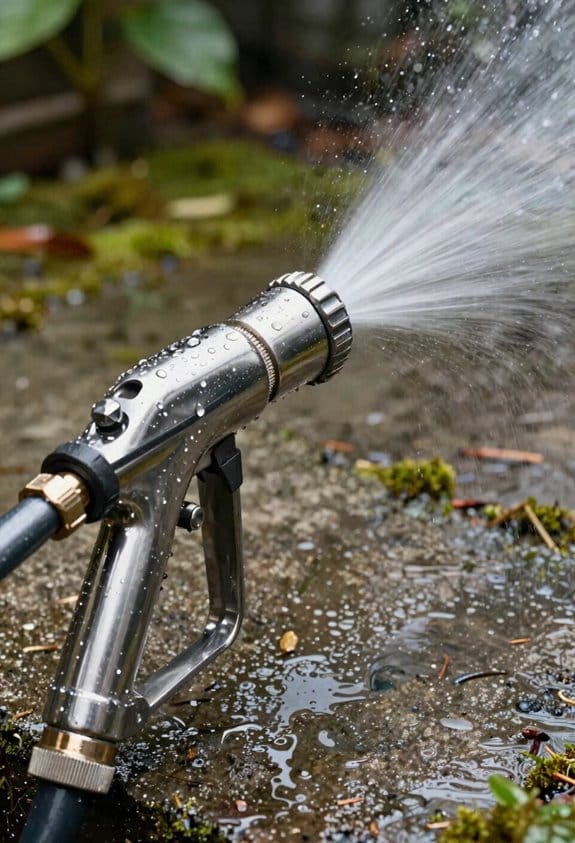
Ever notice your pressure washer starts to pulse and lose power after a few jobs? That annoying thumping usually means something’s stuck in the water line or a seal is wearing out. The good news is you can keep the machine humming by checking a few key parts on a regular basis.
Seasonal check‑up routine
- Inspect the inlet filter and clean out any grit.
- Look over the hose for cracks or kinks that might trap air.
- Examine the pump housing for mineral buildup or tiny cracks.
If any seal feels hard or shows cracks, swap it out right away. The unloader valve should hold pressure steady—no chatter, no rattling. A quick flush with clean water after heavy use helps wash away debris that could cause lock‑ups later.
Every‑time use habits
Run a short priming cycle before you store the washer. This pushes water through the pump and clears out any air pockets that form while the machine sits idle. When you’re done for the day, give the whole system a thorough rinse with fresh water. Then store the unit in a dry spot to keep rust at bay.
Worth knowing: A simple trick is to keep a small bucket of clean water nearby for those quick flushes. It saves you from having to run the pump for a long time just to clear out a few stray particles.
Troubleshooting tips
If you still hear a pulse after the above steps, double‑check the unloader valve. Sometimes the spring can weaken, letting the pump “hunt” for pressure. Replacing the spring or the whole valve is usually a cheap fix compared to a full pump rebuild.
Final thought
Sticking to these habits will keep air locks and worn seals from stealing your cleaning power. Ready to give your washer a longer, smoother life?
Frequently Asked Questions
Can I Use a Pressure Washer With a Garden Hose Instead of a Dedicated Supply Line?
I’d say you can hook it up with a garden hose, but you’ll need proper hose adapters and a flow regulator to keep pressure steady; otherwise you risk pulsing, reduced cleaning power, and possible pump damage.
Will a Higher‑Pressure Nozzle Increase the Likelihood of Air‑Induced Pulsing?
I say yes—choosing a tighter nozzle creates flow restriction, and that extra pressure can trap air bubbles, turning the washer into a pulsating drum. Bleed the line and watch the surge fade.
Does the Type of Water (Hard vs. Soft) Affect Air Bubble Formation?
I tell you, water hardness changes bubble stability: hard water’s minerals create scaling that adds nucleation sites, so bubbles form more readily, while soft water lacks those seeds, reducing air‑induced pulsing.
Can a Battery‑Powered Pressure Washer Experience the Same Pulsing Issues?
I think yes—if your battery‑powered washer’s battery models and electric motors can’t keep a steady flow, trapped air will still make it pulse, just like a corded unit.
Is It Safe to Run a Pressure Washer While the Water Source Is Partially Frozen?
I wouldn’t run it; frozen water can cause intake ice, leading to freeze damage in the pump and seals, so it’s unsafe and will likely ruin the machine.