As an Amazon Associate, we earn from qualifying purchases. Some links on this site are affiliate links at no extra cost to you. Our recommendations are based on thorough research and editorial judgment.


Common Misconceptions About Electric Pressure Washer Power

I’ve found that higher PSI isn’t automatically better because it can strip paint, crack wood, and waste water, while a 25° nozzle usually balances force and surface safety. Electric washers differ: compact units excel on tight decks, while heavy‑duty models handle large concrete slabs, and matching power rating to project size prevents overheating. A dedicated 20‑amp circuit with a 25‑foot 12‑gauge cord supplies steady voltage, and a flow meter confirms water moves before the pump starts, avoiding dry‑run damage. If you keep reading, you’ll discover more practical tips.
Key Takeaways
- Higher PSI does not always mean better cleaning; excessive pressure can damage paint and wood.
- Power (watts) and PSI are separate; a washer can have high PSI but low water flow, reducing cleaning efficiency.
- Electric models can match many gas units’ performance when paired with the correct nozzle and adequate water supply.
- A 20‑amp dedicated circuit with proper gauge cord prevents voltage drop that would otherwise limit the motor’s power.
- Using a wide‑angle nozzle (e.g., 25°) often yields better results than a 0° nozzle on painted surfaces, despite lower apparent pressure.
Why Higher PSI Doesn’t Always Mean Better Cleaning for Electric Pressure Washers
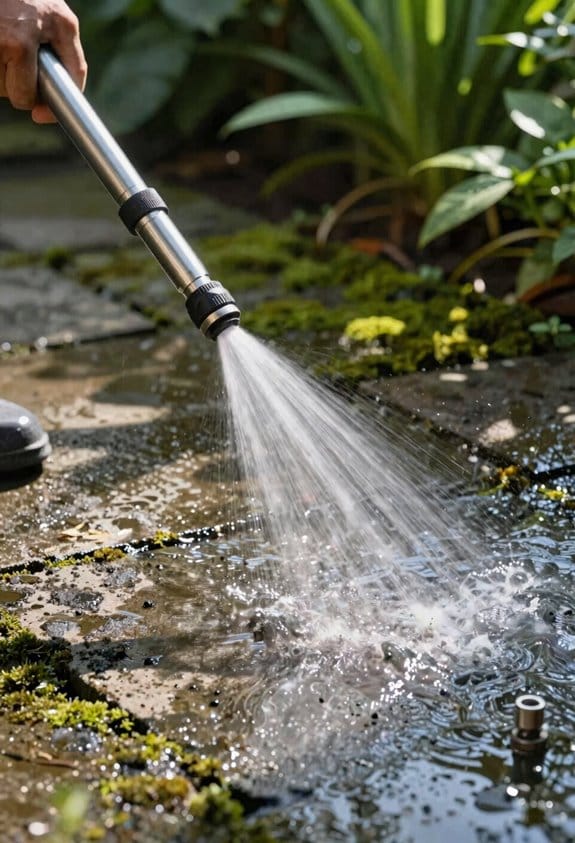
Ever cranked up the PSI on your pressure washer and ended up with peeled paint or cracked wood? It’s easy to think that more pressure equals a cleaner surface, but that’s not always true. The key is picking the right nozzle and getting the area ready before you start spraying.
A 25‑degree tip usually gives enough force to lift grime without hurting paint, while a 0‑degree tip is best saved for concrete—especially if you’ve applied a protective seal. Before you fire up the wand, clear away loose debris, give the spot a quick rinse, and spread a biodegradable degreaser to break down oil. A quick test on a hidden patch will tell you if the pressure is too harsh for the material.
Worth knowing:
- Use a 25‑degree nozzle for most painted surfaces.
- Reserve the 0‑degree nozzle for concrete after sealing.
When you’re ready, hold the wand about 12‑18 inches from the surface and move it steadily. Keep an eye on the area for any signs of wear or damage. If you notice the paint starting to lift, back off a bit or switch to a wider spray tip.
Fair warning: the distance you keep from the surface matters just as much as the PSI setting. Too close and you risk gouging; too far and the water loses its cleaning power. Adjust your stance until you see a consistent, even spray that lifts dirt without stripping the finish.
Try this: after you’ve sprayed, give the surface a final rinse with plain water to wash away any leftover degreaser. Let it dry completely before you decide if another pass is needed. This extra step helps prevent streaks and keeps the paint looking smooth.
Following these steps should give you a clean result without the costly damage that comes from using too much pressure. Have you found a nozzle that works best for your home projects?
How Electric Washer Types Differ & Why It Matters for Your Projects
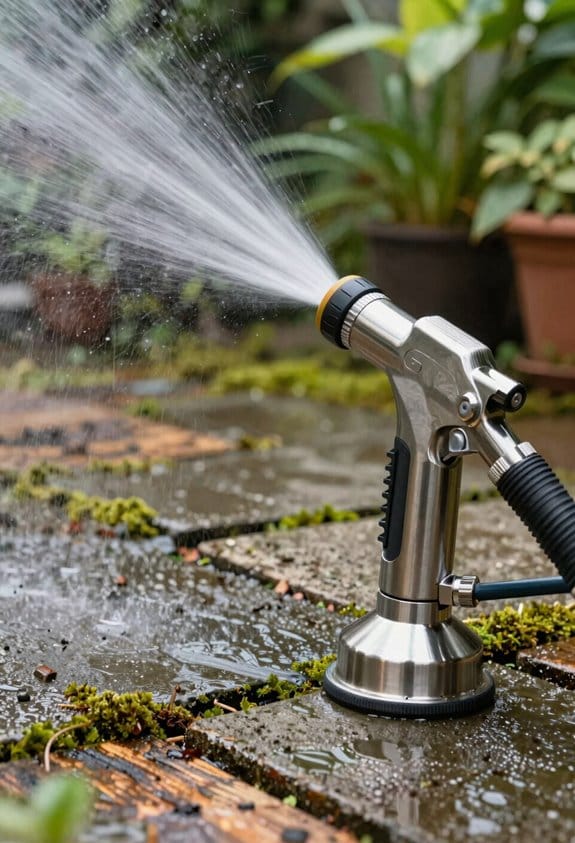
Ever tried to spray paint a deck and ended up with a mess because the washer was too big or too weak? The right washer can save you time, keep surfaces safe, and get the job done right.
Compact models work best on tight decks. They’re easy to steer and still give enough pressure when you pair them with an adjustable nozzle. Heavy‑duty units shine on big concrete slabs; they have strong flow control that keeps water volume steady even when you’re pushing hard.
Fair warning: any model without thermal protection can overheat fast, cutting your work short and shortening the motor’s life.
Here’s the trick: match the washer’s power rating to the size of your project, and make sure the flow‑control valve and nozzle settings can be fine‑tuned. That way you won’t damage delicate wood or waste water on stubborn grime.
- Look for a compact washer if you’re working in narrow spaces.
- Choose a heavy‑duty model for large, flat surfaces.
When you pick a washer that fits the job, you’ll cut down on waste, protect the material, and finish on schedule.
Got a favorite washer brand that’s saved you a lot of hassle? Let me know!
What Power‑Source Requirements Are Essential for Safe, Reliable Electric Pressure Washers
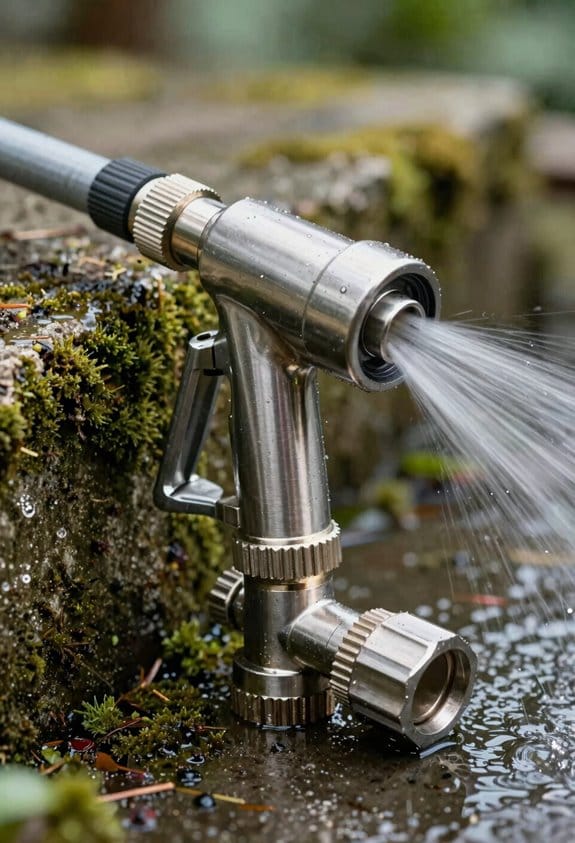
What power source you plug your electric pressure washer into decides if it will run safely, reliably, and efficiently. I always suggest a dedicated circuit that matches the washer’s voltage and amperage rating, because shared outlets cause voltage drop and can trip breakers. Use a 20‑amp circuit for most residential units, and make sure the breaker’s capacity exceeds the motor’s surge draw by at least 25 percent.
When you think about using a generator, check that it can deliver the required starting watts without sagging; many portable units lack the surge capacity, leading to motor stall or damage. Keep extension cords short, gauge them properly, and avoid adapters that bypass safety features.
- Try this: use a heavy‑gauge cord (12‑gauge for 20 amps) and keep it under 25 feet.
- Worth knowing: a dedicated outlet prevents other appliances from pulling the voltage down.
Following these steps gives you consistent performance and protects the pump from overheating. Got any other tips for keeping your washer happy?
How to Verify Water Flow and Properly Size Your Circuit to Prevent Dry‑Run Damage
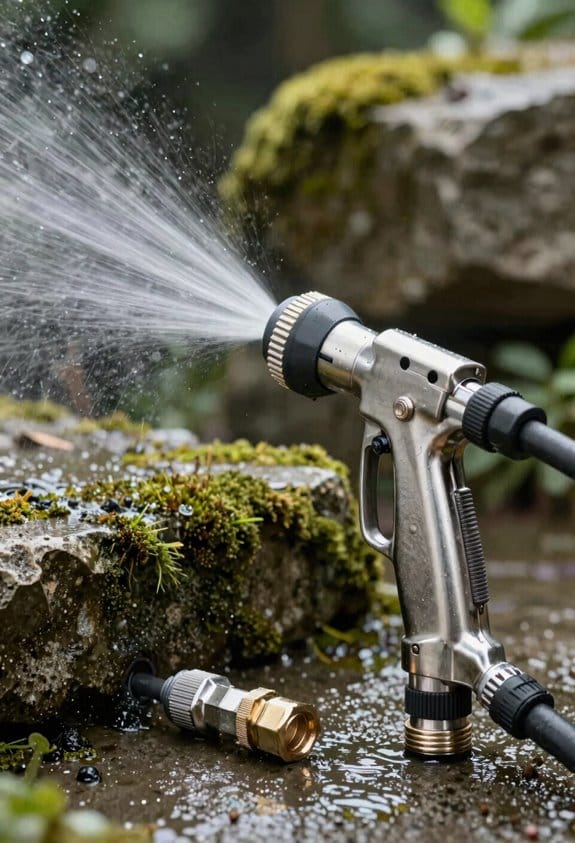
Ever had your washer sputter and stop mid‑cycle because the pump overheated? A dry‑run can fry the pump in under a minute, so the first thing you should do is make sure water is actually flowing before you flip the switch.
I hook a flow meter onto the hose and watch the needle climb past the minimum mark. If the check valves are stuck, the pressure drops and the needle won’t move—so give them a quick glance to see they’re fully open.
Try this:
- Attach a flow meter and confirm movement past the set threshold.
- Verify check valves aren’t restricting pressure.
Next, figure out how much current your whole circuit is pulling. Add the washer’s amp draw to any other devices on the same branch, then compare that sum to the breaker’s rating. Aim for at least a 20 % safety buffer so the breaker won’t trip unexpectedly.
If the run‑distance is longer than 25 feet, swap the regular cord for a 12‑gauge extension. That extra gauge keeps voltage from sagging below 115 V when the washer kicks in, which protects both the motor and the pump.
Worth knowing:
- Use a 12‑gauge extension for runs over 25 feet.
- Check that voltage stays above 115 V under load.
Why Modern Electric Pressure Washers Use Less Water Than Traditional Cleaning Methods
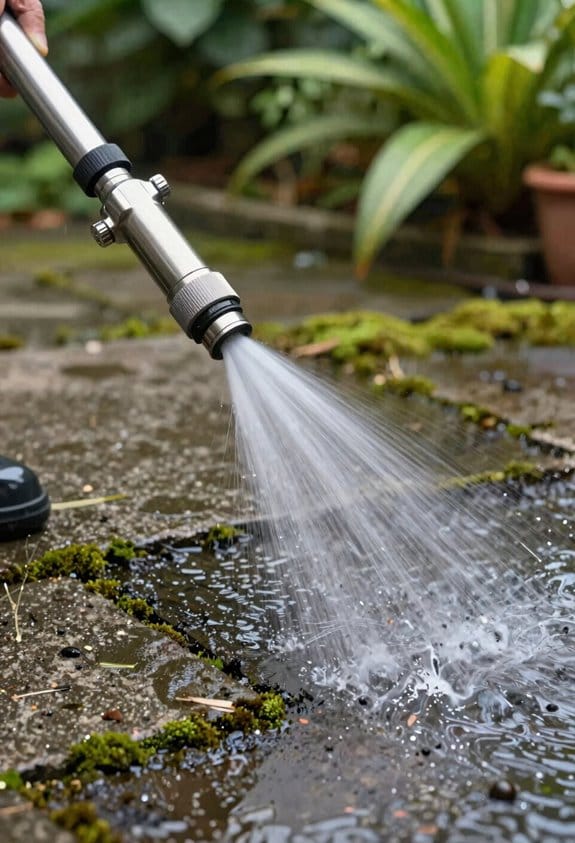
Ever notice how a garden hose can leave a mess of suds and still not get the job done? That’s why I switched to a modern electric pressure washer—it’s a simple way to cut down on water use without losing cleaning power.
The secret is the high‑pressure jet. By focusing energy into a tight stream, you get the same clean result with far fewer gallons per minute. I’ve found that a nozzle with a higher pressure rating and a smaller orifice can slash water use by about 30 % compared to traditional hose‑washing. Keeping the pump primed and watching the flow meter helps you avoid waste, too.
- Pick a nozzle that’s rated for higher pressure and has a tight opening.
- Monitor the flow meter and adjust the trigger so you’re not spraying more than you need.
Frankly, a well‑tuned pump does most of the work for you. Just keep an eye on the trigger—let it stay just long enough to get the dirt off, then release. This prevents excess spray and saves even more water.
Worth knowing: when you’re done, let the pump run for a few seconds to clear any debris. That quick rinse keeps the system efficient and extends its life.
Frequently Asked Questions
Can I Use an Electric Pressure Washer on a Battery‑Powered Generator?
I’d say yes, but check battery compatibility and guarantee the inverter’s surgeability can handle the washer’s startup draw; otherwise you risk tripping the circuit or damaging the generator.
Will a Higher GPM Always Clean Faster Than a Lower‑Pressure Model?
I’d say no—higher GPM can’t guarantee speed if higher temperature effects and nozzle trajectory patterns aren’t optimized; a lower‑pressure model with proper spray angle often cleans just as quickly.
Do I Need a Special Nozzle for Each Surface Material?
I’ll tell you straight: you need a specific nozzle for each surface. For delicate surfaces, I use a soft‑bristle tip; it’s gentle enough to protect paint, wood, and glass without sacrificing cleaning power.
Can I Connect Multiple Washers to One Circuit Safely?
I’d say you can’t safely connect multiple washers to one circuit unless the circuit capacity handles the combined load and you enable shared trip protection, otherwise you risk overloads and tripping breakers.
Is It Safe to Run the Washer Continuously for More Than 30 Minutes?
I’d say no—running it past thirty minutes feels like a marathon without a water station; continuous runtime can overheat the motor, so rely on the thermal cutoff to protect the pump and wiring.