As an Amazon Associate, we earn from qualifying purchases. Some links on this site are affiliate links at no extra cost to you. Our recommendations are based on thorough research and editorial judgment.


Safety Gear You Should Wear When Using a Pressure Washer

I’ll wear ANSI‑Z87.1 goggles for pressures under 2,000 PSI or a full‑face polycarbonate shield for higher pressures, because they prevent eye injury and meet OSHA standards; I’ll use hearing protection with an NRR of at least 25 dB, double‑layering earplugs and earmuffs when noise exceeds 85 dB, to safeguard hearing; I’ll choose nitrile or neoprene chemical‑resistant gloves that pass ASTM F1671, soak‑tested for two hours, to keep hands dry and protected; I’ll put on steel‑toe, slip‑resistant boots with waterproof insulation and chemical‑resistant uppers, to avoid crush, puncture, and slip hazards; I’ll also carry a quick‑release shut‑off valve, a portable pressure gauge, a water‑resistant apron, and a non‑slip harness for the wand, ensuring all gear is inspected before each use, and if you keep going you’ll discover even more essential practices.
Key Takeaways
- Wear ANSI‑Z87.1 safety goggles or a full‑face polycarbonate shield, depending on pressure, and keep lenses clean and undamaged.
- Use hearing protection with NRR ≥ 25 dB, employing dual protection (earplugs + earmuffs) for pressures above 2,000 PSI.
- Put on waterproof, chemical‑resistant nitrile or neoprene gloves meeting ASTM F1671, inspecting for cracks or swelling before each use.
- Wear steel‑toed, slip‑resistant boots with waterproof insulation and chemical‑resistant uppers, ensuring a snug, secure lacing system.
- Perform a pre‑work safety check, keep a near‑miss log, and have quick‑release shut‑off valves and a fire extinguisher readily accessible.
Why Proper PPE Matters for High‑Pressure Water Jobs
Ever tried cleaning a stubborn stain with a pressure washer and felt the spray hit you like a tiny cannon? That rush can turn dangerous in a split second if you’re not dressed right. I’ve learned the hard way that the right gear can keep you safe when the water’s pushing at 2,000 psi or more.
First off, pick gloves that stay dry and grip well. Waterproof, cut‑resistant hands stop a jet from slicing through skin. Pair them with ANSI‑Z87.1 goggles—no cheap sunglasses here. A single slip can launch water straight into an eye, and the damage is instant. If the job gets noisy, double up on hearing protection; 85 dB is the line where you start losing hearing fast.
Now, let’s talk boots. Steel‑toed, slip‑resistant shoes give you solid footing on wet, oily floors. They also protect your feet if a heavy pipe drops. And for pressures above 2,000 psi, a full‑face shield isn’t optional—it’s a must. It covers your entire face, keeping both eyes and skin safe from high‑velocity streams.
Try this:
- Wear layered hearing protection when the noise climbs.
- Keep a log of every near‑miss; the data shows a 40 % cut in repeat accidents when crews review it.
- Double‑check that every piece of gear is in good condition before you start.
Frankly, training isn’t just a checkbox. You need to walk through each gear piece with your crew, showing how a waterproof glove fits, how a goggles seal, and why a full‑face shield matters. When everyone knows the “why,” they’re more likely to follow the “what.”
Worth knowing: incident reporting is mandatory after any close call. Those reports feed into safety meetings that actually lower injury rates. So, make it a habit to write down what happened, when, and how you fixed it.
A quick reminder: If you ever feel the water pressure is too high for your current setup, pull back and reassess. No job is worth a permanent scar or hearing loss.
Stay sharp, keep your gear in top shape, and you’ll keep injuries to a minimum. Ready to give your safety routine a quick upgrade?
Choose the Right Eye Protection for High‑Pressure Water PPE

Ever had a splash of high‑pressure water hit your eyes and leave you blinking for a minute? I’ve watched crews skip proper eye gear and then scramble to treat a sudden, painful injury, so the first step is to match the protection level to the pressure you’ll face.
For pressures under 2,000 PSI, ANSI‑Z87.1 safety goggles give reliable splash protection. Choose models with an anti‑fog coating and ventilation slots that keep condensation at bay while still sealing tightly. After each job, clean the lenses with mild soap, inspect for cracks, and store the goggles in a padded case to keep the optics clear.
Worth knowing:
- Use a soft cloth and a drop of dish soap to wipe lenses.
- Check the seal around the eyes for any gaps before you start.
Above 2,000 PSI, a full‑face shield becomes mandatory. It spreads the impact force, blocks the high‑velocity stream, and lets the attached goggles stay snug. The shield’s visor should be made of polycarbonate for durability, and the headband needs a secure, adjustable strap so it won’t shift when you’re moving around.
Try this:
– After work, rinse the shield with fresh water, dry it with a lint‑free cloth, and give the hinge a quick oil drop to keep it smooth.
Regular maintenance prevents fogging and guarantees consistent protection. If you notice any scratches or clouding, replace the lens right away—don’t risk a compromised view when you’re on the job.
Recommended Products

Debris Blocking Design: Foam lining around the lenses prevents debris from getting into the eyes while wearing; Blocks air particles, dust, debris and other eye irritants.

SAFE HANDLER by Bison Life - Duarte Premium Over Glasses, clear, 144 pairs

UNISEX DESIGN: ATERET's SGTICORE Eyewear is designed with both men and women in mind, featuring a sleek and modern style that is sure to be accepted by all. These clear glasses are suitable for use as safety glasses, shooting glasses, and airsoft goggles.
Select Hearing Protection That Meets OSHA Noise Limits

When the whine of a pressure washer tops 85 decibels, you need hearing protection that actually cuts the noise down to OSHA’s limit of 90 dB over an eight‑hour shift. I start with a quick noise check, measuring the level at the operator’s ear, then I pick a device that’s NRR‑rated at least 25 dB. For pressures above 2,000 psi, I recommend dual protection—earplugs under earmuffs—to give yourself a safety margin. Choose foam plugs that seal comfortably and earmuffs with a sturdy headband, both certified to meet 29 CFR 1910.95. Replace worn parts promptly, and verify fit each shift, because consistent attenuation keeps permanent hearing loss at bay while you work.
Worth knowing:
- Foam earplugs should fit snugly without causing pain.
- Earmuffs need a firm headband that won’t slip during movement.
Frankly, a good fit is the biggest factor in getting the right protection. If you skip the fit check, you could be exposing yourself to more noise than you think. And remember, worn components lose their effectiveness fast, so swap them out as soon as they show signs of wear.
A quick tip: after you put on the plugs, give them a gentle tug to make sure they stay in place. Then pull the earmuffs down and adjust the headband until they sit evenly over your ears. This two‑step check takes less than a minute but makes a huge difference in real‑world usage.
Try this: keep a small log of the decibel readings you take each week. Seeing the numbers on paper helps you stay aware of any changes in your work environment and lets you act before the noise gets too loud.
Recommended Products

28 dB NOISE REDUCTION RATING: Over the head hearing protection with NRR) of 28 dB for moderate to high noise exposures

Sale Unit: EACH

PROTECTION AND ENCHANCEMENT - The Walker's Suppressor earbuds provide unparallelled protection and enhancement. The snug fit and compact design ensure all-day comfort, while advanced technology makes them the benchmark in earbud-style sound management.
Pick Waterproof, Chemical‑Resistant Gloves for Hand Safety

Ever tried to clean a deck with a pressure washer and ended up with soggy, cracked gloves? It’s frustrating when the gear you count on lets water in or lets harsh cleaners bite your skin.
I’ve learned that the right pair of gloves can make the whole job feel smoother and safer. First, look for chemical‑resistant gloves that meet ASTM F1671 standards. They block corrosive detergents and caustic cleaners, so you won’t have to worry about nasty chemicals soaking through. Pair those with waterproof gloves made from nitrile or neoprene; they keep water out and still give you a solid grip when the wand is wet.
Worth knowing:
- Choose a reinforced palm and a snug cuff that wraps around your wrist. This stops high‑pressure spray from sneaking into any gaps.
- Check the soak‑test rating. A minimum two‑hour rating means the gloves won’t swell or break down during long sessions.
I’ve found that a snug cuff is a game‑changer for preventing water from seeping in, especially when you’re moving the hose around a lot. And a reinforced palm really helps when you’re handling the heavy wand.
Frankly, if you notice any cracks, tears, or a loss of waterproof integrity, replace the gloves right away. A small tear can let chemicals or water reach your skin in seconds, and you don’t want that.
Try this: after each use, give your gloves a quick rinse and let them air‑dry completely before storing them. This simple step keeps the material from degrading and extends the life of the gloves.
Do you ever wonder why some gloves feel stiff after a few washes? That’s usually a sign the material is breaking down, and it’s time for a new pair.
Recommended Products

[FITMENT] 2015 - 2024 Ford F-150 5'7" Bed (BRZSPRAYON is required if installing over Spray-In Liner)
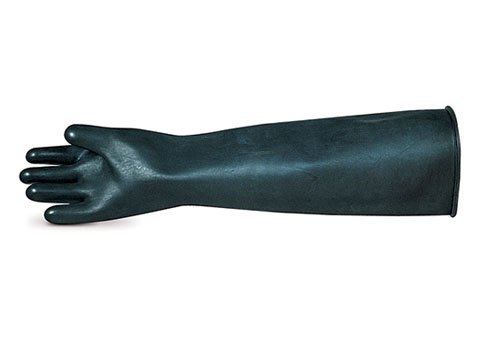
Provides liquidproof protection against acids and caustics

Chemical Protection: chemical resistant nitrile gloves provide effective protection against oil, solvents, and strong cleaners; Industrial safety gloves are suitable for cleaning gloves, dishwashing gloves, plumbing gloves, and laundry glove tasks, ensuring hands and arms remain safe and dry
Wear Slip‑Resistant, Steel‑Toe Boots for Foot Protection

Ever had to chase a stubborn stain with a pressure washer and felt the ground slip right out from under you? Those high‑pressure jets, oily patches, and bits of debris turn any job site into a slip‑n‑slide. That’s why the right boots are more than a nice‑to‑have—they’re a lifesaver.
You’ll want a pair that has a steel toe for crush protection and a slip‑resistant sole that grips wet concrete, metal, or painted wood. Look for waterproof insulation too; it keeps your feet dry and warm when you’re standing for hours. A reinforced toe cap that meets ASTM standards adds an extra layer of safety.
Fair warning: not all uppers are created equal. Choose a material that can stand up to chemicals you might encounter, and make sure the lacing system stays tight so your foot doesn’t wobble. A good fit cuts down fatigue and helps you stay steady on uneven surfaces.
Worth knowing:
- Steel toe traction and waterproof insulation are must‑haves.
- Slip‑resistant soles should stay grippy on wet, oily, or rough surfaces.
- Chemical‑resistant uppers and a secure lacing system keep your foot safe and comfortable.
When you slip on a pair that checks all these boxes, you’ll notice less foot strain and fewer slips. The reinforced toe cap protects against punctures, while the insulated lining stops cold from creeping in during long sessions.
Try this: after a day’s work, give your boots a quick rinse and let them air‑dry away from direct heat. That simple step helps the material stay flexible and the tread keep its grip.
Recommended Products

BUILT FOR PROFESSIONAL CLIMBERS – Designed for linemen, arborists, and utility workers, the Wesco Highliner 16" Boot delivers dependable support, stability, and protection for demanding climbing and outdoor work environments.

RUGGED 10-INCH LEATHER BOOTS – Built for demanding work, hiking, and outdoor adventures, these 10-inch lace-up boots provide excellent ankle support, stability, and lasting comfort on challenging terrain.

NFPA 1951, NFPA 1971, NFPA 1977, NFPA 1990(1992), ASTM F2413 & CAN/CSA-Z195 certified
Add Essential Supplemental Gear for High‑Pressure Water Work
Ever had a high‑pressure wash turn into a mess of spray‑back and tangled gear? You’re not alone. A few simple tools can keep you safe and make the job smoother.
Quick‑release shut‑off valve – Clip it right by the hose handle. One press stops the flow, so you avoid nasty spray and protect the equipment.
Pressure testing gauge – Keep a portable one handy. It lets you check that the PSI stays inside the maker’s limits, which means steady performance and no over‑pressurization.
Non‑slip harness – When you’re working overhead, a sturdy harness keeps the wand from slipping out of your grip.
Water‑resistant apron – A lightweight apron shields your torso from splashes and chemicals, keeping you clean and comfortable.
Fire‑extinguisher – It’s a good idea to have a compact extinguisher nearby. High‑pressure water can heat up electrical parts, and you’ll be ready if anything sparks.
Spare gloves and earplugs – Store a set in your tool bag. If the originals wear out, you can swap them out fast and stay protected.
Try this: Before you start, walk through your setup and make sure each piece is within reach. It only takes a minute, but it saves you a lot of trouble later.
Fair warning: Skipping any of these items can turn a routine wash into a risky ordeal. You’ll thank yourself when the job finishes without a hitch.
Got any other gear tips that work for you? Let’s hear them!
Recommended Products

【Customized Vintage Distressed Flag Fenders】Eahora M1P Pro electric motorcycle fenders are decorated with exclusive retro distressed US flag pattern by high-definition hydro transfer printing technology. Featuring classic blue field with white stars and vintage faded red & white stripes, the washed worn texture brings authentic American retro style. Initial delivery: Standard black M1P Pro. Custom F&R fender and tank kit will arrive in ~1 month for self-installation.

REEL VERSATILE: Coxreels motorized reels are a go-to source for organizing cords, cables and hoses. A sturdy base with a convenient open outlet design and an easy non-crimping, flat smooth hose wrap - ensures flexibility and years of reliable service.

REEL VERSATILE: Coxreels motorized reels are a go-to source for organizing cords, cables and hoses. A sturdy base with a convenient open outlet design and an easy non-crimping, flat smooth hose wrap - ensures flexibility and years of reliable service.
Frequently Asked Questions
How Often Should PPE Be Inspected for Wear and Damage?
I inspect my PPE before every job, doing visual checks each time; for longer‑term wear I perform a thorough inspection at least weekly to catch any damage or degradation early.
Can I Reuse Disposable Earplugs After Cleaning?
I’d say reusing disposable earplugs is like trying to squeeze fresh juice from a wilted orange—once their disposable lifespan ends, the hygiene protocol demands you discard them, not clean and reuse.
What Is the Best Way to Store Waterproof Gloves Between Jobs?
I store my waterproof gloves in a dry, ventilated cabinet after each cleaning protocol, ensuring they air‑dry fully before sealing them in a breathable bag to prevent mold and maintain flexibility.
Are There Specific Boot Brands That Meet Slip‑Resistance Standards?
I recommend checking out boots with SBR soles that’re ASTM rated; brands like Red Wing, Timberland Pro, and Caterpillar often meet those slip‑resistance standards, ensuring reliable traction on wet surfaces.
Do I Need Additional Protection When Using a Pressure Washer Indoors?
I’d say yes—inside you need respiratory protection and splash barriers, because the confined space traps fumes and spray, so I always wear a mask and set up a water‑resistant shield.