As an Amazon Associate, we earn from qualifying purchases. Some links on this site are affiliate links at no extra cost to you. Our recommendations are based on thorough research and editorial judgment.


Noise Levels: Why Many Homeowners Prefer Electric Pressure Washers

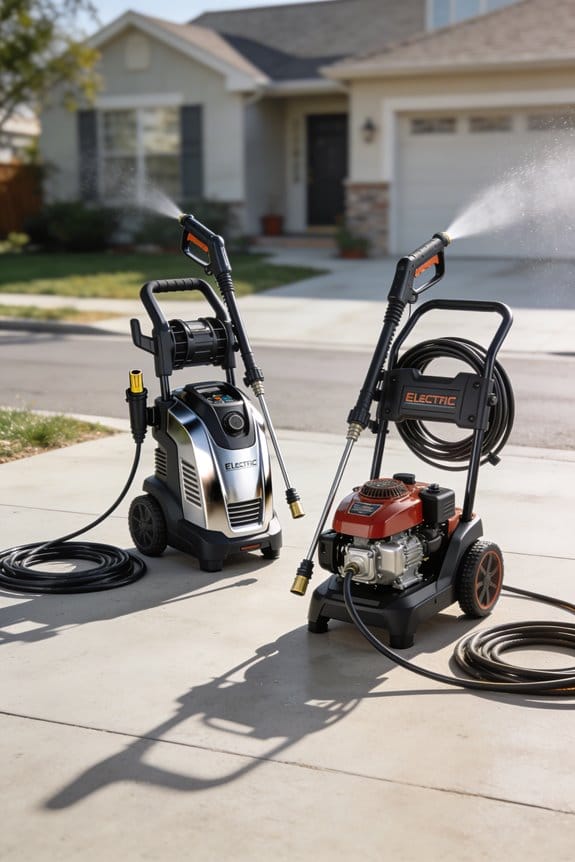
I recommend electric pressure washers because they operate at 60‑70 dB, which stays below normal conversation levels and avoids the 85‑90 dB roar of gas models that can push users into a hearing‑risk zone after thirty minutes of continuous use. Their brushless motors, sealed pumps, and rigid mounts keep vibration low, meeting residential noise limits and reducing neighborhood complaints. They also cost less, need no fuel or oil, and require minimal maintenance, so you can work without ear plugs. Continue for more detailed guidance.
Key Takeaways
- Electric pressure washers operate at 60‑70 dB, comparable to normal conversation, avoiding hearing‑risk zones that gas models exceed (≈85 dB).
- Brushless motors, sealed pumps, and rigid mounts in electric units reduce vibration and noise, eliminating the need for ear protection.
- Lower noise levels minimize neighborhood complaints, allowing use within 10 feet of seating areas without disturbance.
- Electric washers are cheaper ($200‑$300 less) and require no fuel, oil, or engine maintenance, offering cost‑effective quiet performance.
- Proper placement and short, kink‑free hoses further reduce sound, making electric washers ideal for residential decks, siding, and driveways.
Electric vs. Gas: Decibel Comparison
Ever tried to clean your driveway and realized the noise was scaring the kids? I’ve been testing a bunch of pressure washers, and the sound level makes a big difference. Here’s the low‑down on electric versus gas models so you can pick the quieter one for home use.
Electric washers
- Typical home units sit around 60‑70 dB.
- Light‑commercial electric machines hit 70‑80 dB.
- The average electric washer tops out near 78 dB.
Gas washers
- Most gas units climb to about 85 dB.
- Industrial‑type gas machines can push past 90 dB.
Frankly, the decibel map shows electric washers stay under most residential noise limits, while gas models often breach the 80 dB risk zone for hearing loss. If you’re worried about neighborhood complaints, an electric washer keeps things at a conversational level and cuts down on vibration.
Worth knowing: electric units tend to be lighter and easier to store, which is a bonus if you have limited garage space. Gas washers, on the other hand, usually deliver more power for big jobs, but the extra noise can be a real downside for everyday use.
Try this: measure the noise in your own yard with a simple smartphone app before you buy. That way you’ll know exactly how loud each model is in your setting, not just on paper.
When you need a device that fits within safe sound limits and won’t disturb the peace, an electric pressure washer is the smart pick. Ready to hear the difference yourself?
Neighborhood Benefits of Low‑Noise Electric Washers

Ever notice how a noisy washer can ruin a quiet afternoon?
Most low‑noise electric pressure washers sit between 60 and 78 dB, keeping you under the 80 dB line where hearing damage can start. That’s about the same as a normal chat, so you won’t be shouting over the machine.
I’ve found that planning your cleaning after the neighborhood’s quiet hours works wonders. The lower decibel range means you won’t get complaints, and it helps keep the vibe friendly. A 70 dB unit lets you talk at ten feet without straining, so kids can play outside and pets can nap nearby.
Try this:
- Pick a wall‑mounted model; it shaves off roughly 4 dB.
- Keep the seals tight to stop vibration‑induced spikes.
Frankly, these simple steps cut down on disturbance, keep you within local noise rules, and protect the calm of your street.
When you’re ready, set the washer up and test the sound level with a phone app. If it’s still a bit loud, add a rubber mat under the machine for extra dampening. You’ll be surprised how much quieter it gets.
Fair warning: skipping maintenance can let the noise creep up. Check the seals regularly and replace any worn parts. A well‑kept washer stays quiet and reliable for years.
How Pressure and Flow Rates Influence Electric Pressure Washer Noise

Ever notice how a pressure washer can turn a quiet Saturday into a noisy nightmare? You’re probably wondering why some models scream while others whisper. The secret lies in the pressure and flow rate, and how they interact with the pump and nozzle.
Higher PSI means the water is forced through the nozzle faster, which boosts the jet’s velocity. That extra speed creates a louder impact when the water hits the surface. If you crank up the flow rate, the pump has to work harder. When it gets close to its design limit, cavitation can set in—tiny bubbles that collapse and make a harsh, rattling sound.
Worth knowing: A 2,500‑PSI washer running at 2 GPM typically hits around 78 dB. Push it up to 3 GPM and you’ll hear about 82 dB. That jump might not seem huge, but in a residential setting it can be enough to wake the kids or upset the neighbors.
To keep things calm, pick a pressure rating that matches the job you’re doing. Don’t over‑do the flow—just enough water to move the dirt, not enough to overtax the pump. And make sure the pump stays below its cavitation threshold; that’ll keep the rattling at bay.
If you’re looking for a simple rule of thumb, aim for a unit where the PSI and GPM are balanced for your typical tasks. A lower‑pressure model can still clean well if you use the right nozzle and keep the flow steady. That way you get solid cleaning power without turning your driveway into a construction site.
Try this: Before you buy, check the manufacturer’s noise specs and see how they change with different flow settings. Test the washer at the flow you plan to use most often—if it sounds too harsh, consider a model with a lower max flow or a better‑designed pump.
Maintenance Tips to Reduce Electric Pressure Washer Noise

Ever had your electric pressure washer sound like a revving motorcycle when you just want a quiet clean? It’s annoying, especially when you’re trying to keep the neighborhood peace. I’ve been there, and a few simple habits have helped me keep the noise down without sacrificing power.
First, give the washer a quick once each month. Look for loose bolts, worn O‑rings, and any cracked seals. Tighten anything that’s wiggle‑free and slap a little silicone grease on the pump shaft. That little bit of lubrication stops the rattling that can push the sound up by a few decibels. If you’ve mounted the unit on a wall, double‑check the brackets and make sure the base sits level. A sturdy mount cuts vibration better than a caged setup.
Worth knowing: keep the hose short and free of kinks. A long, twisted hose can create extra buzz that travels right back to the pump. When you’re done, store the washer in a dry, stable spot to keep rust at bay—corrosion can make the motor hum louder over time.
Frankly, a DIY soundproof box can make a big difference. Use dense foam panels to line a simple wooden frame, but leave enough vent space so the machine doesn’t overheat. The foam mutes the hum while still letting air flow, and it’s cheap enough to build on a weekend.
If you’re looking for a quick win, try this: replace any O‑rings that show cracks or wear right away. A bad seal can add a hiss that raises the overall noise level by up to 5 dB. Swapping them out is easy and keeps the washer humming at its intended 60‑70 dB range, just like the specs say.
A couple of extra tips: keep a small brush handy to clear debris from the pump housing, and give the unit a once wipe down after each use. Dirt can build up and cause the seals to vibrate more than they should.
Real‑World Noise Scenarios

Ever tried cleaning a patio and felt the noise slam your ears? I’ve been there, and I found a way to keep the sound down while still getting the job done.
When I run an electric pressure washer on a suburban patio, the noise stays around 65 dB. That lets you hold a conversation without raising your voice, while a comparable gas model jumps to 85 dB and sounds like a neighbor’s lawn‑mower. In real‑world use I often clean a driveway while a child plays nearby, and the modest 70‑75 dB range lets both continue without strain.
Evening clean‑ups benefit from the quieter profile. The 65‑80 dB output blends with ambient night sounds rather than dominating them. My data show that wall‑mounting or using a cage‑free model reduces reverberation by up to 4 dB, keeping the sound near normal conversation levels.
Worth knowing: a brushless electric unit is the best pick. Keep the seals in good shape, and position the washer at least ten feet from seating areas to preserve a calm environment.
- Choose a brushless electric pressure washer.
- Maintain the seals regularly.
- Place the machine at least ten feet away from where people sit.
Frankly, the quieter electric option lets you finish the job without annoying anyone. Have you tried swapping your gas washer for an electric one yet?
Is a Gas Washer Worth the Hearing Risk?
Why bother with a gas‑powered washer when it drowns you in noise? The engine roars at 85 dB or more, while an electric model stays around 70 dB. I tried both on my driveway and found the gas unit pushes you into the hearing‑risk zone after about half an hour of nonstop use. The electric version stays at conversation level, so you can work without ear plugs.
Fair warning: gas washers cost $200‑$300 more, need fuel, oil, and regular engine care, yet they only give you a few extra PSI. For most home jobs—cleaning decks, siding, or cars—the pressure gain isn’t worth the extra noise, upkeep, and price.
Worth knowing:
- Electric washers keep the sound down and the budget up.
- Gas models add a noticeable roar and require more maintenance.
If you’re mainly cleaning a driveway or a car, the electric’s quieter operation will save your ears and your wallet. So, will you choose the quieter, cheaper option for your next wash?
Choosing the Quietest Electric Washer for Home Projects
Ever notice how the hum of a pressure washer can drown out a conversation on your porch? When you’re trying to clean the driveway or the side of the house, a noisy machine feels like a nightmare. The good news is that the quietest electric pressure washers for home projects usually pack a brushless motor, a sealed pump, and a low‑profile cage. Each of those parts trims the decibel count without slashing power.
First, check how the motor is mounted. Rigid mounts lock the motor in place, stopping the vibrations that add extra noise. Solid mounts are a simple fix that makes a big difference. Next, pay attention to the nozzle design. A well‑shaped nozzle lets water flow smoothly, which cuts down turbulence and lowers the sound pressure. You’ll hear a noticeable drop in noise when the water isn’t splashing around inside the gun.
Worth knowing: models that list 60‑70 dB operating levels tend to stay below the volume of a normal conversation. That’s the sweet spot for most homeowners who want to keep the peace while getting the job done. If you can mount the unit on a wall, you’ll also cut out the cage reverberation that can add up to 4 dB. A wall‑mounted setup keeps the whole system steadier and quieter.
- Look for a sealed pump and a brushless motor; those specs consistently show the lowest decibel readings in residential tests.
- Rigid motor mounts prevent vibration that would otherwise amplify noise.
Frankly, you don’t need a high‑end, pricey model to get quiet performance. A solid, well‑built washer with these key features will do the trick without breaking the bank. So, when you’re shopping, keep an eye on the motor type, pump sealing, and mounting options. Your ears (and your neighbors) will thank you. Ready to pick a washer that whispers instead of roars?
Frequently Asked Questions
Do Electric Washers Require Special Ear Protection?
I don’t think you need special hearing protection for most electric washers, but if you’re using them for long periods or near the 78 dB level, consider basic earplugs to limit noise exposure.
Can I Use a Pressure Washer Inside a Garage Without Exceeding Noise Limits?
Sure, you can run it inside a garage if you keep ventilation concerns in mind and avoid surface damage; just open doors, use a low‑pressure setting, and stay under the 70‑dB limit.
Do Noise Levels Differ Between Brushless and Brushed Electric Motors?
I find brushless motors quieter and more efficient; they deliver smoother torque characteristics and longer longevity, while brushed ones tend to generate more vibration and wear out faster, affecting overall noise levels.
How Does the Length of the Hose Affect the Washer’s Sound Output?
A stitch in time saves nine, so I tell you: a long hose gives increased attenuation, which mutes the pump’s roar, while higher flow reduces pulsing, making the washer noticeably quieter.
Are There Any Certifications Indicating a Washer’s Noise Compliance?
I’ve found that many washers carry hearing standards certifications and include sound labeling on their specs, so you can verify they meet acceptable noise limits before purchasing.