As an Amazon Associate, we earn from qualifying purchases. Some links on this site are affiliate links at no extra cost to you. Our recommendations are based on thorough research and editorial judgment.

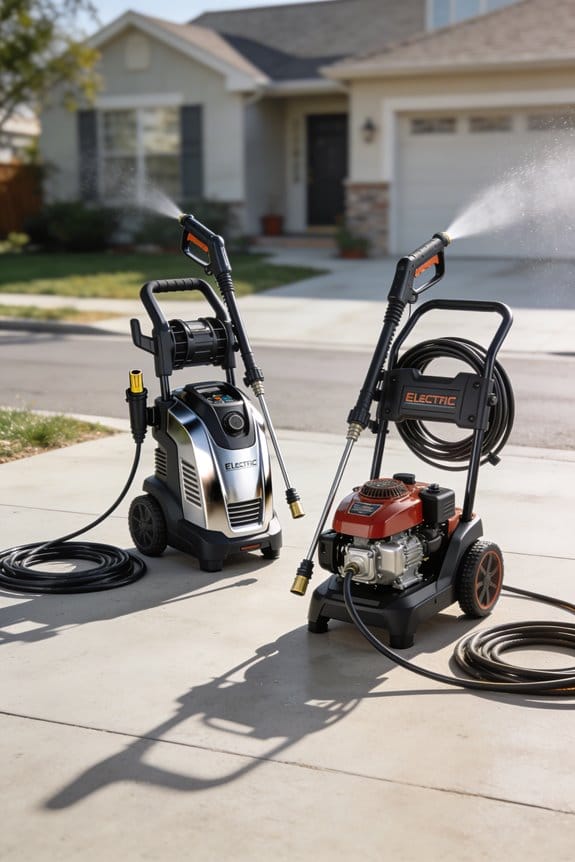
Electric vs Gas Pressure Washers: How to Choose for Your Cleaning Tasks

I recommend starting with your budget and typical job size, because electric washers cost $100‑$400 upfront, run half the total three‑year expense of gas models that start at $300 and need fuel, and they stay quieter at about 78 dBA, making them safe for indoor or residential use; gas units deliver 2,000‑4,200 PSI and steadier flow, so they clean concrete and thick paint three to ten times faster but cost more to maintain, emit exhaust, and exceed 85 dBA, requiring hearing protection and ventilation; if you prioritize portability, noise, and low upkeep, choose electric, but for heavy‑duty, remote outdoor jobs that demand high pressure, gas is the better fit, and the next section explains how to match these factors to your specific cleaning tasks.
Key Takeaways
- Electric washers cost less upfront and over three years, have lower maintenance, and produce no emissions, making them ideal for light, indoor, or residential tasks.
- Gas washers deliver higher PSI (2,000‑4,200) and steady flow, excelling at heavy‑duty jobs like concrete cleaning, paint stripping, and large outdoor areas.
- Electric units run quieter (≈78 dBA) and are safer for confined spaces, while gas units exceed 85 dBA and require hearing protection and ventilation.
- Choose electric when power access is nearby and portability isn’t critical; choose gas for cordless mobility and when higher pressure is needed.
- Match the washer’s PSI and flow rate to the surface and grime level—lower PSI for decks and siding, higher PSI for stubborn stains and thick paint.
What’s the Real Cost Difference Between Electric and Gas Pressure Washers?
Ever wonder why your pressure washer feels like a money‑suck after a few months? If you compare the upfront price tags, electric pressure washers typically sit between $100 and $400, while gas models cost $300 to $600, which means the electric option can be up to $300 cheaper at purchase.
Frankly, the gap widens when you factor in lifecycle costs and resale value. Electric units eliminate fuel expenses, require infrequent oil checks, and have fewer moving parts, so maintenance bills stay low. Gas machines demand regular gasoline, oil changes, and occasional winterizing, raising annual outlays. Over three years, an electric washer often costs half as much to own.
Worth knowing: resale value follows a similar pattern; electric models retain more of their purchase price because buyers value low‑maintenance, portable tools.
If you’re leaning toward a gas washer because you think it’s more powerful, ask yourself: do you really need that extra horsepower for a weekend sidewalk clean‑up?
Try this: list the jobs you’ll tackle most often, then match the washer’s power to those tasks. You’ll likely find an electric model does the job just fine while saving you cash.
Choose electric if you prioritize total cost efficiency.
Which side of the price fence are you on?
How Do PSI Ranges and Cleaning Power Compare for Electric vs. Gas Models?
Ever wonder why your pressure washer sometimes feels like it’s just spraying water and not actually cleaning?
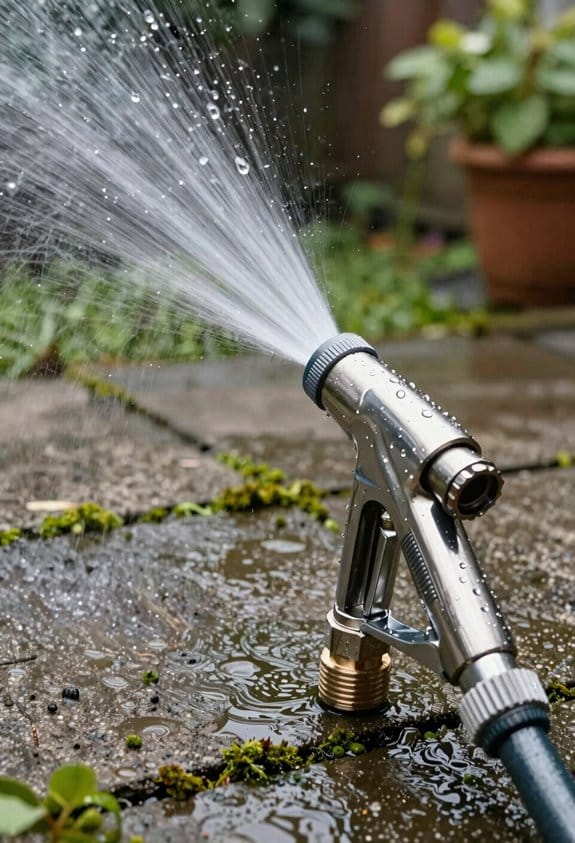
When you pick a unit, the PSI range is the first thing that tells you how fast it can break down grime. Electric models usually sit between 1,300 and 3,100 PSI, while gas units push that up to 2,000 – 4,200 PSI. That extra pressure gives gas a clear edge on stubborn surfaces like oil stains or thick moss.
Frankly, higher PSI also means the nozzle works more efficiently because the force is concentrated, pushing dirt out of crevices quicker. But you can’t ignore flow dynamics. A 2.5 GPM electric washer can keep up with a 1.5 GPM gas model if its pump holds steady pressure.
Worth knowing:
- Electric units are lighter, quieter, and need no fuel, so they’re great for drive jobs around the house.
- Gas washers deliver more power and are better for large decks, driveways, or any heavy‑duty task.
If you’re tackling a big concrete patio with deep cracks, the gas’s higher PSI and steady flow will cut the time in half. For a quick clean of a car or a small porch, the electric’s lower weight and decent pressure are more than enough.
In practice, I’d suggest gas for anything that needs both high PSI and strong flow—think big decks, fences, or stubborn paint removal. Electric works well for moderate jobs where you value portability, lower noise, and easier maintenance.
Which Washer Cleans Concrete and Paint Faster: Electric or Gas?
Ever tried cleaning a concrete driveway or stripping old paint and felt like you were watching paint dry? You know the drill—water splashing everywhere, the job dragging on, and you’re left wondering if there’s a faster way.
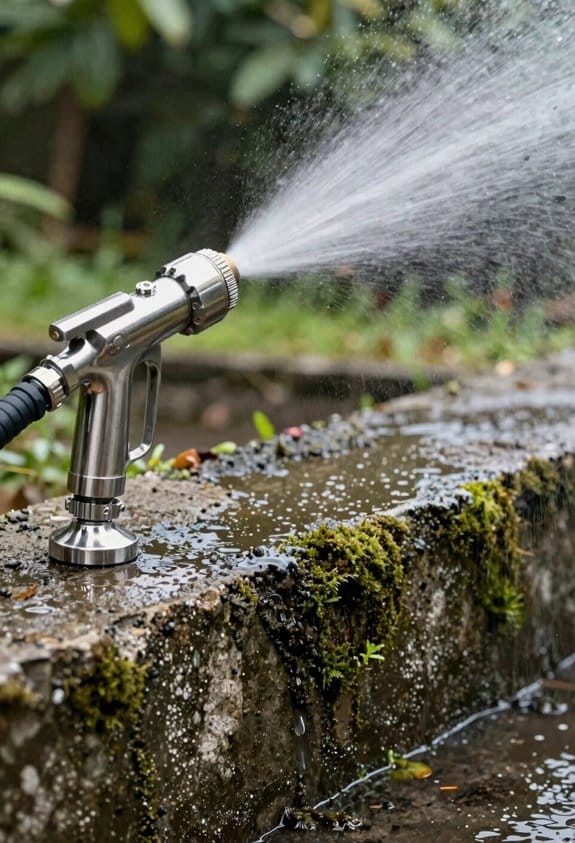
Gas‑powered pressure washers usually outpace electric ones when it comes to heavy‑duty cleaning. They pump out higher PSI—around 2,000 to 4,200 compared with 1,300 to 3,100 for electric models—so the water hits the surface harder and more consistently. That extra push means you can blast away stubborn paint and grime in a fraction of the time.
Here’s the trick: match the nozzle to what you’re tackling. A 0‑degree nozzle works best for thick, old paint, a 15‑degree for concrete, and a 25‑degree for lighter dirt. The tighter spray pattern keeps overspray down and saves water, which is a win if you’re working in a tight space.
When I’m prepping a big job, I reach for a gas unit because it cleans concrete about three times faster and strips paint roughly ten times quicker than an electric. That speed cut my workday in half, and I could move on to the next task without feeling rushed.
Fair warning: gas washers are louder and need fuel, so they’re not the best fit for every situation. If you’re tackling a small patio or a quick touch‑up, an electric model might be more convenient and quieter.
Worth knowing: the higher pressure also means you need to watch your footing and protect nearby plants—keep a hose reel handy and aim the spray away from anything you don’t want to damage.
Why Are Electric Washers Easier for Beginners and DIY Projects?
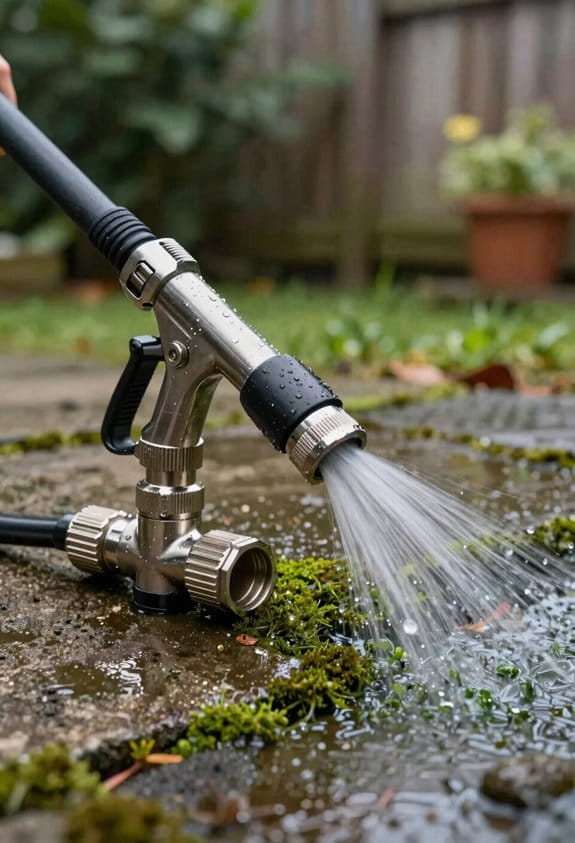
Ever tried to start a pressure washer and felt like you were wrestling a stubborn mule? That’s because many of them need a pull‑cord or a fuel tank, which can be a hassle for anyone just getting started. Electric models, on the other hand, let you press a button and go, so you don’t have to juggle cords or worry about fuel fumes.
Frankly, the biggest win is the light frame. You won’t be straining your back trying to lift a bulky machine, and you can move it around the yard with ease. The cord is the only thing that needs a bit of planning—just keep the outlet within about three meters and use a reel or a strap to keep the hose tidy. Checking the cord’s gauge before you plug it in helps avoid any voltage drop, and that’s a simple step that saves a lot of headaches later.
Worth knowing: when you set up, make the the outlet is on a stable surface and that the hose isn’t kinked. A short, straight hose lets you control the pressure better and makes swapping nozzles a breeze. You’ll find that you spend less time fiddling with the machine and more time getting the job done.
Here’s the trick: keep the cord organized from the start. A neat coil or a Velcro strap keeps the hose from getting tangled, and it turns the whole setup into a quick routine instead of a safety concern. This way you can focus on adjusting the pressure and choosing the right nozzle for the job at hand.
If you’re new to pressure washing, try this: place the outlet near where you’ll be working, coil the hose neatly, and give the start button a quick press. You’ll see how fast the whole process can be, and you’ll avoid the common mistakes that trip up beginners. It’s a small habit that makes a big difference in speed and safety.
In the end, an electric pressure washer cuts down on setup time, reduces the chance of errors, and needs far less maintenance than a gas model. You’ll end up with a tool that’s ready when you are, and you won’t have to worry about fuel or heavy lifting. Ready to give it a try?
Does Noise Level Affect Safety and Comfort on the Job Site?
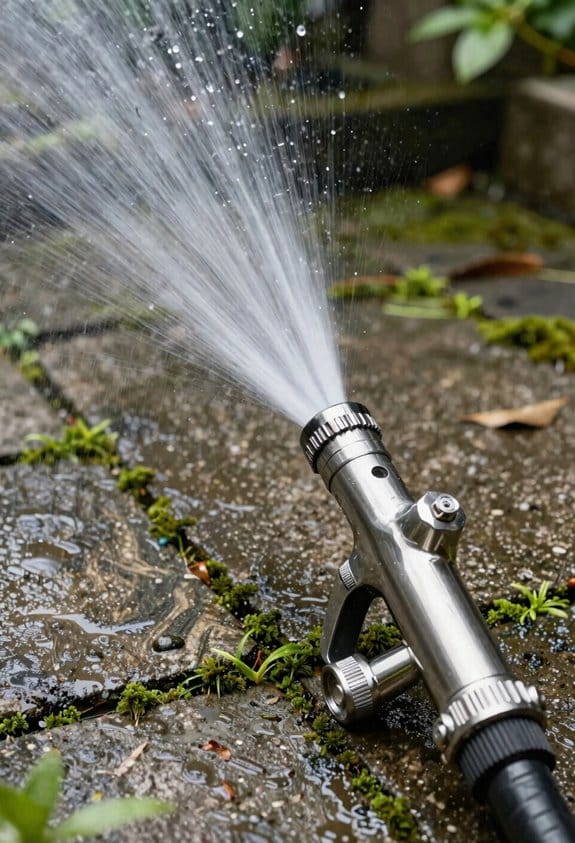
Ever tried to work on a job site where the pressure washer sounds like a jet engine? That constant roar can make it hard to hear a coworker’s shout or a warning alarm, and it wears on your ears fast. When the noise is too loud, you’re more likely to get a headache, lose focus, and even make mistakes.
Frankly, the decibel level of the washer you pick really matters. Electric models usually sit around 78 dBA, while gas‑powered ones can push past 85 dBA. If you’re using a gas unit, you’ll want ear‑plugs for everyone on the crew. The louder the machine, the quicker fatigue sets in, and that’s a safety risk you don’t want.
Worth knowing: measure the sound output before you buy. A quick handheld dB meter can tell you if a unit is too loud for your space. If you’re working in a tight area or for hours on end, choose a quieter model. It’ll keep the noise down and help you stay alert.
Here’s the trick: pair a low‑noise washer with regular short breaks. Step away for a few minutes every hour to give your ears a rest. That simple habit can cut down on fatigue and keep your team’s concentration sharp.
- Pick electric washers for indoor or confined jobs; they’re generally quieter.
- For gas washers, make ear‑protection mandatory and check the dB rating before you start.
When you control the sound, you protect hearing, lower fatigue, and keep the worksite safer and more comfortable. Ready to give your crew a quieter, safer day on the job?
What Maintenance Tasks Do Electric and Gas Washers Each Require?
Ever wonder why your pressure washer seems to sputter after a few weeks of use? The secret is simple: each type of washer—electric or gas—needs its own care routine. Skipping a few steps can turn a weekend project into a costly repair.
What to check before you fire it up****
Give the hoses, connectors, and spray tips a quick look. If you spot cracks, wear, or blockages, replace or clean them right away. This quick check stops leaks and keeps the pressure steady.
Electric washer upkeep
- Clean the pump’s inlet screen every few months; a dirty screen chokes the flow.
- Tighten any loose bolts you find; vibrations love to loosen them.
- Inspect the cord for frays or exposed wires—replace it if anything looks off.
Replace the filter after about 100‑150 hours of use. A clogged filter can cut your flow by up to 15 %, and you’ll notice it in the spray pattern.
Gas washer care
- Check the oil level before each season; low oil can damage the engine.
- Pull out the spark plug and clean it; a fouled plug makes the engine run rough.
- Swap the fuel filter yearly; old fuel can gum up the carburetor.
Winterizing is a must if you store the machine outside. Drain the fuel and add a little stabilizer to keep the carburetor from gumming up.
Both types share a simple habit
After every job, drain the pump. Water left inside will rust the parts and shorten the life of the whole unit.
Worth knowing:
If you notice a drop in pressure, the first thing to do is check the filter and inlet screen before digging deeper.
Frankly, staying on top of these tasks means your washer will keep humming along for years. Got a tip of your own? Share it in the comments!
How Portable Are Electric Versus Gas Washers on a Job Site?
Ever found yourself hunting for an outlet on a busy job site, only to realize your electric pressure washer is stuck to a wall? That cord can turn a simple clean‑up into a juggling act with power strips, extension cords, and a constant eye on tripping hazards. You’ll need to map out where the nearest plug is, measure the length you’ll need, and keep the cord out of the way of workers and tools. It’s a hassle that can slow you down, especially when outlets are few and far between.
On the other hand, a gas‑powered washer gives you the freedom to roam. No cords, no power strips—just a fuel tank and a handle. You can push it across a large area, up stairs, or into tight corners without worrying about where the next outlet is. Many models even come with a wheel kit that makes it easy to haul over rough ground, so you’re not stuck in one spot.
Fair warning: the fuel tank adds weight, and that can feel clunky on stairs or in cramped spaces. If you’re working on a multi‑level job or need to store the unit in a tight closet, the extra bulk might be a deal‑breaker. It’s worth checking the terrain and outlet density before you decide which type to bring.
Worth knowing:
- Electric washers – best for indoor jobs or places with plenty of power outlets.
- Gas washers – ideal for outdoor sites, large areas, or when you need to move quickly.
Honestly, I’ve learned to pick the right tool based on the day’s layout. When the site is packed with outlets, the electric unit’s steady power is a lifesaver. When you’re out on a sprawling lot with no power in sight, the gas model’s cordless freedom wins hands down.
What Indoor‑Use Safety and Emissions Rules Apply to Electric and Gas Washers?
Ever tried using a pressure washer inside a garage or workshop and wondered why the air feels heavy? When you bring a gas‑powered unit indoors, the safety checklist flips. Those engines pump out carbon monoxide, nitrogen oxides, and volatile organic compounds that can pile up fast in a closed room.
First, crank up the ventilation. Open any windows you can, set up an exhaust fan, and keep a certified emissions monitor handy to watch CO levels. A carbon‑monoxide detector nearby is a must—don’t skip it.
For electric washers, the game is different. Make sure the outlet is properly grounded and that the manufacturer’s zero‑emission claim is on paper. That way you protect indoor air quality without needing extra controls.
Worth knowing: local rules often set specific exposure limits for gases and particulates. Check your city or state guidelines so you stay within legal bounds.
Try this: limit the run time of any indoor wash cycle. Short bursts reduce the chance of buildup, and they give you a chance to air out the space between sessions.
Fair warning: even a well‑ventilated room can become unsafe if you run a gas washer for too long. Keep an eye on the monitor and stop if readings creep up.
If you’re unsure about the exact limits, a quick call to your local occupational health office can clear things up.
Following these steps helps you keep the air clean and stay on the right side of health standards. Got any other indoor‑washer tips to share?
Which Washer Type Best Matches Your Most Common Cleaning Tasks?
Ever wonder why your pressure washer feels like a mismatch for the jobs you tackle every week?
If you spend most of your time scrubbing decks, siding, and cars, an electric unit in the 1,300‑2,200 PSI range is a solid pick. It’s light enough to carry up a ladder, quiet enough not to wake the whole neighborhood, and it doesn’t need oil changes or fuel. The push‑button start means you won’t waste time wrestling with a cord, and the low‑maintenance design keeps storage simple.
For tougher work—think concrete driveways, oil‑stained patios, or the occasional paint strip—a gas model is worth the extra effort. Those machines push 2,500‑4,200 PSI, cutting cleaning time dramatically, and you won’t be tied to an outlet. Just remember you’ll need to keep fuel on hand, check the oil regularly, and winterize the engine if you live in a cold climate.
Both electric and gas washers share the same universal attachment system. You can swap nozzles, brushes, and foam cannons without hunting for adapters, so each task gets the right tool without added cost or hassle.
Worth knowing:
- Electric washers are lighter, quieter, and cheaper to run.
- Gas washers deliver more power and freedom from cords.
Frankly, the best choice hinges on how often you need raw pressure versus how much you value convenience.
You’ll find that the right washer lets you finish a weekend project in a fraction of the time you’d spend with a hose.
Ready to match your washer to the work you do most?
Quick Decision Guide: Choose Electric or Gas Based on Your Priorities?
Ever wonder why your laundry routine feels like a balancing act? You’ve got a list of tasks you do most often, and now you need to pick a washer that fits your budget, power needs, and convenience.
First, think about money. Electric washers usually run $100‑$400, no fuel needed, and they’re low‑maintenance. Gas models start around $300, but you’ll have to factor in fuel and service costs.
Next up, noise. Most electric units sit at about 78 dBA, which is fine for a typical home. Gas washers can push past 85 dBA, so you might need ear protection if you’re sensitive to sound.
If you’re moving the washer around a lot—say, to a remote job site—gas gives you freedom from cords. But if you prefer a quiet machine and a lower upfront price, electric is the safer bet.
Try this: check the PSI and cord length to make sure they match your cleaning needs.
- Budget: electric $100‑$400, gas $300+ plus fuel
- Noise: electric ~78 dBA, gas >85 dBA
- Portability: gas = free‑moving, electric = plug‑in
You’ll quickly see which two criteria matter most to you, then you can make a confident choice.
Ready to pick the washer that fits your life?
Frequently Asked Questions
Can I Use a Battery‑Powered Pressure Washer for Extended Jobs?
I’d say you can, but battery longevity limits extended jobs; you’ll need to monitor charge levels and expect power scaling to drop as the pack depletes, so plan breaks or a spare battery.
Do Electric Models Work With Standard Household Outlets?
Do they work with standard outlets? Absolutely—most electric washers plug into a 120 V, 15‑amp or 20‑amp GFCI‑protected outlet, but always verify the unit’s amperage rating before connecting.
How Does Weather Affect Electric Versus Gas Washer Performance?
I find cold starts slow my electric washer, while gas units handle them better; humidity can reduce PSI on both, but gas engines usually lose less power, keeping cleaning efficiency steadier.
Are There Warranty Differences Between Electric and Gas Units?
Back in the steam‑age, I’d say most manufacturers warranties differ: electric units often include longer standard periods, while gas models may need extended coverage for engine wear, so check each brand’s terms.
Which Type Is Better for Cleaning Delicate Surfaces Like Wood?
I’d say an electric washer is better for delicate wood; it lets you use soft settings and wood‑safe detergents, giving gentle pressure without the high‑PSI bursts that gas models produce.


