As an Amazon Associate, we earn from qualifying purchases. Some links on this site are affiliate links at no extra cost to you. Our recommendations are based on thorough research and editorial judgment.


Extension Cords and Electric Pressure Washers: What’s Actually Safe?

I recommend using a weather‑rated GFCI rated at least 15 A and matching the washer’s voltage, mounted under a waterproof cover and tested monthly; choose a single heavy‑duty outdoor cord with a solid grounding prong, gauge 12 AWG for up to 15 A or 10 AWG for higher loads, and verify UL/ETL/CSA markings; inspect the cord before each use for nicks, frays, or cracked plugs, avoid daisy‑chaining, keep the cord short to limit voltage drop, and maintain a dry, grounded outlet—continue and you’ll discover the safe temporary work‑arounds.
Key Takeaways
- Use a heavy‑duty, outdoor‑rated extension cord with a minimum 12‑gauge wire and a grounding prong, matching the washer’s amperage.
- Keep the cord length under 100 feet; longer runs increase voltage drop, motor strain, and violate OSHA limits.
- Avoid daisy‑chaining cords; a single, properly sized cord reduces resistance, heat buildup, and fire risk.
- Inspect the cord before each use for cuts, frays, cracked plugs, or damaged grounding pins; replace any compromised cord immediately.
- Test the GFCI outlet monthly, ensure it trips and resets correctly, and use a weather‑proof cover to protect against moisture.
Choose the Right Outdoor GFCI for Your Pressure Washer

How do you pick an outdoor GFCI that truly protects your pressure washer? I recommend selecting a model rated for at least 15 amps, with a voltage range matching your washer’s spec, and ensuring it includes a weatherproof cover to keep moisture out. Mount the unit at a height where splashing won’t reach it, and locate the gfi placement near the power source to minimize cord length and voltage drop. Verify the device carries UL or ETL certification, confirming it has passed independent safety tests. Check that the reset button is easily reachable, and confirm the outlet’s grounding prong remains intact. By following these steps you’ll harness reliable protection, reduce shock risk, and maintain consistent performance during every cleaning cycle.
Recommended Products

15-amp GFCI outlet with weatherproof box and cover for outdoor use
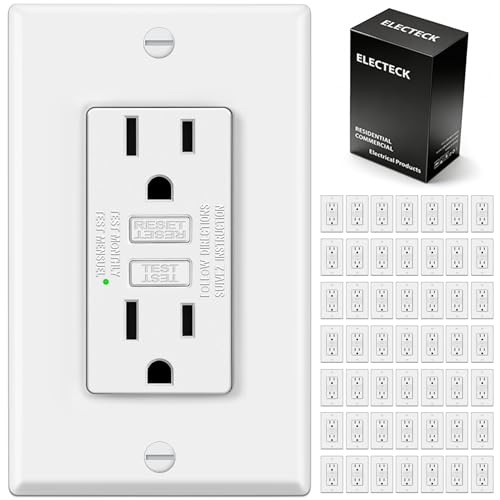
15 amp Non-Tamper Resistant Ground Fault Circuit Interrupter (GFCI) outlet receptacle for indoor use. Please kindly check if the depth of electrical box can fit our GFCI outlets before purchasing.

GFCI Outlet and Switch Combo: Turn any existing Outlet into an Electrical GFCI Switch Outlet Combo,where you don't want to add another electrical box.Combining the outlet and switch into a sleek white panel, saves space and looks clean,especially ideal for older homes with limited electrical openings.The single pole switch,10amp 120VAC, which can be wired to function as a regular switch.Perfect for bathroom,garage,offices, hospitals, schools and any damp, or moist space
Test and Reset Your Outdoor GFCI – Monthly Checklist

Ever wonder why your outdoor outlet still trips after a rainstorm? It’s probably the GFCI, and a quick monthly check can keep it working right.
I’ve already shown you how to pick a weather‑proof GFCI that matches your washer’s amperage and voltage, so the next step is to verify it works each month. I treat the test as a monthly reminder, pressing the test button, confirming the outlet loses power, then resetting it before the next use. Follow a GFCI placement test schedule that includes visual inspection of the receptacle housing, checking for corrosion, and ensuring the grounding prong remains intact. Record each test in a simple log, noting the date and any irregularities. If the reset button fails to restore power, replace the unit immediately, because a faulty GFCI defeats its protective purpose and can cause dangerous shock hazards.
Worth knowing:
- Look at the outlet housing for cracks or rust.
- Make sure the grounding prong isn’t bent or missing.
- Write down the date and any odd behavior in a notebook or phone note.
Frankly, a dead GFCI is a safety risk you don’t want to ignore. When you press the test button, you should feel the outlet lose power—if it doesn’t, the unit is already compromised. Reset it right away, and if the reset button won’t bring power back, swap it out. It’s a small step that saves you a lot of trouble later.
Try this: set a reminder on your phone for the first Saturday of each month. When the alarm goes off, head outside, press the test button, watch the lights go out, then hit reset. It only takes a minute, and you’ll have peace of mind all year long.
A quick visual check each month catches corrosion before it eats away the contacts, and a log helps you spot patterns—like a unit that trips more often after a thunderstorm. If you notice anything off, don’t wait; replace the GFCI right away.
Keeping your outdoor outlet safe is as easy as a monthly habit. Got a favorite reminder trick that works for you?
Avoid Extension Cords: Why They’re the Worst Choice?
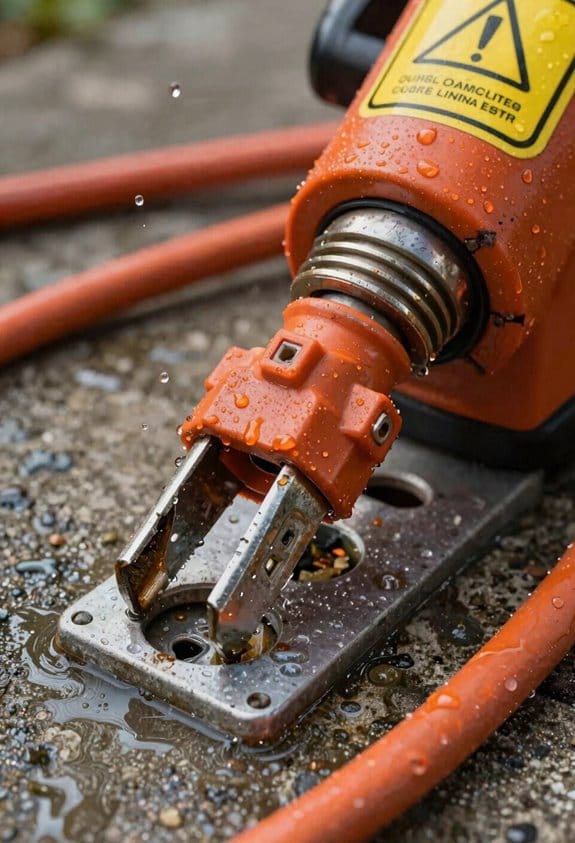
Ever you tried to clean your driveway with a pressure washer and realized the cord just isn’t long enough? You end up hunting for an extension, wrestling with a tangled mess, and hoping the power won’t cut out mid‑spray. The truth is, keeping the washer right next to a grounded outlet saves you a lot of hassle and keeps the motor happy.
When you plug straight into a nearby outlet, you avoid the voltage drop that an extension cord creates. Less resistance means the motor runs cooler and doesn’t have to work as hard. You also skip the hidden currents that can cause flickering lights or a sudden loss of ground—both of which are a recipe for shock hazards.
If you must use a cord, make it short and heavy‑duty. A long, cheap cord adds resistance, which forces the motor to pull more power and heat up faster. The longer the line, the more likely you’ll see intermittent power or a spark at the plug. That’s why I always plan my work area so the outlet is within a few feet; the power stays stable and the motor strain stays minimal.
Worth knowing:
- Keep the washer within a few feet of a grounded outlet.
- If you need a cord, choose a heavy‑duty one and keep it as short as possible.
- Never rely on a flimsy, cheap cord that could compromise safety.
Letting the washer sit right next to the outlet also means you won’t have to worry about hidden currents that can damage the motor over time. You’ll notice the lights stay steady, the power stays consistent, and the whole job gets done faster. Plus, you won’t be constantly checking the cord for signs of wear or overheating.
Planning ahead is the best move. Scope out where your power source is before you start, and arrange your cleaning path so you stay within a safe distance. If you find yourself needing an extension, make sure it’s rated for the washer’s amperage and that the connections are tight and secure.
Give it a try next time you’re out there with the hose—your washer (and your peace of mind) will thank you. Ready to ditch the tangled cords for good?
Recommended Products

【Large Capacity】Designed with a 50.7oz large capacity water tank, this steam cleaner for car with a 16ft long power cord provides up to 50 minutes steaming time, which is ideal for whole-home cleaning without interruption
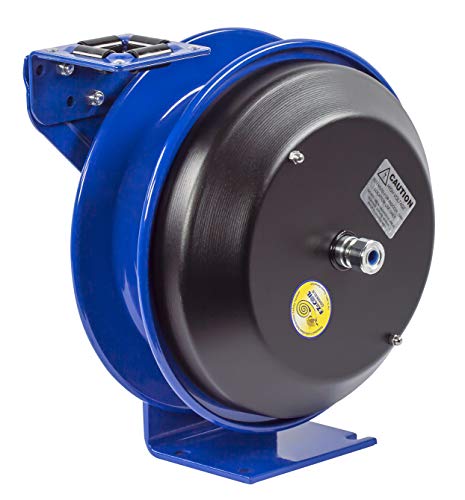
Safety series spring rewind power cord reel 50' cord

REINFORCED STEEL - 7850 OLPSW57 spring retractable hose reels are very robust and ideal for the most demanding applications.The steel guide arm and base are stamped with ribs and gussets to insure maximum strength and lightest possible weight. The basic reel without hose can be used for air, water or oil. Guide arm adjusts to 7 positions.
Pick the Correct Outdoor‑Rated Cord: Gauge, Amperage, UL/ETL/CSA Marks

Ever tried to plug your pressure washer into a garden hose outlet and felt the cord melt? It’s frustrating, and it can be dangerous if you don’t pick the right outdoor‑rated cord. Here’s what you need to look for so the power stays steady and safe.
First, check the cord’s temperature rating. You want at least 90 °C to handle the heat that builds up during a long wash. Next, make sure the wire’s resistance is low enough to keep voltage drop under 3 % when the washer is pulling full load. That means a thicker wire, which also helps with the amperage rating.
Gauge and amperage guide
- 12‑gauge works for up to 15 A.
- 10‑gauge covers 15‑20 A.
- 8‑gauge handles 20‑25 A.
Pick the gauge that matches your washer’s amperage, and you’ll avoid overheating. The cord should also have a UL, ETL, or CSA mark—those certifications mean the cord met safety tests and is built for outdoor use. Look at the plug too; the grounding prong must be solid and not bent.
Fair warning: cheap cords often skip the certification and use thin wires. That can lead to a drop in power or, worse, a fire hazard. If you’re not sure, compare the markings on the cord’s jacket. You’ll see the voltage, amperage, and temperature rating printed there, along with the UL/ETL/CSA symbols.
Worth knowing: a good cord not only keeps your washer running smoothly but also protects your home’s electrical system. When the gauge, amperage, and temperature rating line up, you’ll notice fewer hiccups and a longer life for both the cord and the washer.
Recommended Products

Industrial grade with 600 VAC/35 AMP rated slip ring
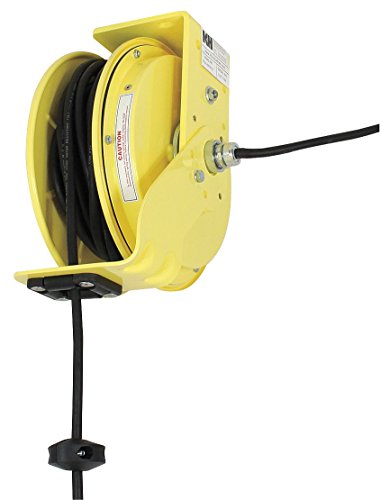
Industrial grade spring reel with 600 VAC/30 AMP rated slip ring

Heavy-duty 14 AWG Power Outlet: The power socket has three three-hole sockets and one USB interface, as well as a type C interface. The 19.7 FT power cord can fully meet the rated capacity of 15A/1875W of the socket. The 14 AWG thick copper wire ensures stable power supply even under full load, effectively preventing overheating, voltage drop and fire risks.
Inspect Your Pressure‑Washer Cord for Damage Before Each Use

Ever notice how a busted power cord can ruin your weekend cleaning? Before you plug in your pressure washer, take a quick look at the cord.
First, unplug the machine and scan the whole length for any nicks, cuts, or frayed spots. The outer jacket should feel smooth and continuous—no rough patches that could expose the wires inside. Check the plug too; the grounding pin needs to be solid, and the wire gauge should match what the washer calls for.
Worth knowing:
- Look for UL, ETL, or CSA marks to confirm it’s rated for outdoor use.
- Keep the cord away from moisture, sharp edges, and anything that could wear it down.
If you spot any damage, swap the cord right away. Even a tiny breach can lead to voltage leaks, overheating, or a shock hazard.
Frankly, a good habit is to give the cord a once‑over every time you store it. Make sure it’s coiled loosely, not twisted, and that the plug isn’t bent. This simple step can save you a lot of hassle later on.
Here’s the trick: before each use, give the plug a quick wiggle to see if the grounding pin stays in place. If it feels loose, replace the cord before you start.
By keeping an eye on the insulation and the plug, you’ll keep your washer running safely and avoid surprise outages.
Got a favorite tip for caring for outdoor tools? Share it below!
OSHA’s 100‑Foot Length Limit – How to Stay Within It?
Ever tried to run a pressure washer and kept hitting a dead‑end because the cord just wouldn’t reach? It’s frustrating, especially when you’re on a tight schedule and can’t afford to waste time hunting for a longer extension.
First, walk the site and spot the nearest grounded outlet. Measure the straight‑line distance from that outlet to where you’ll be working. That number tells you if you’re safely under OSHA’s 100‑foot limit.
Try this:
- Use a heavy‑duty, outdoor‑rated cord that matches the washer’s amperage and voltage.
- Keep the grounding prong intact; don’t cut or modify it.
- Leave a few feet of slack so you can route the cord safely and still have room for a vehicle to pass.
When you place the washer, make sure the cord isn’t stretched tight. A little slack helps you avoid tripping hazards and lets you steer clear of puddles, high‑traffic paths, and sharp edges. Secure the cable with zip ties or a cord‑cover to keep it out of the way.
Frankly, the biggest mistake people make is ignoring the little details—like the type of cord or how it’s routed. A proper outdoor‑rated cord can handle the voltage and amperage without overheating, and keeping the grounding prong intact protects you from electrical shocks.
If you ever wonder why the cord feels hot, check the length again. A longer run can cause voltage drop, which makes the motor work harder and can lead to overheating. Adjust the washer’s position or use a shorter, higher‑gauge cord to stay within the safe range.
By mapping the layout, measuring precisely, and using the right cord, you’ll stay well under the 100‑foot limit, keep the equipment cool, and avoid costly OSHA violations.
Ready to give it a try on your next job?
No Daisy‑Chaining: One Cord, One Appliance, No Compromises
Ever tried to plug your washer in and felt the whole house flicker? It’s usually the cord setup that’s the culprit. A single heavy‑duty cord can handle the washer’s full amperage without the voltage drop that shows up when you link multiple cords together. That’s why you should never daisy‑chain extension cords.
I keep one cord per appliance, which makes things simple and keeps the power flow steady. Before you plug in, check that the cord’s gauge matches the washer’s rating, look at the grounding prong, and make sure the cord is UL‑approved. Position the washer close enough to a grounded outlet so you don’t need extra lengths; adding a second cord cuts the effective capacity in half and can cause heat buildup.
Try this:
- Use a cord that’s rated for at least the washer’s amperage.
- Inspect the cord for any frayed spots or broken plugs.
- Replace any damaged segment right away.
Never splice or join cords, and if a cord shows wear, swap it out ASAP. This disciplined approach knocks out overload risks, protects the motor, and lines up with OSHA safety standards.
Frankly, a clean, single‑cord setup saves you headaches and keeps your laundry routine running smooth. Got any other power‑safety tips you swear by?
Recommended Products

Meets the following UL and CSA standards for Flexible Cords and Cables: UL62 and CSA C22.2 . SOOW stands for S = Service Cord, OO = Oil Resistant (both inside and outside insulation), W = Weather and Water Resistant.

DURABLE CONSTRUCTION: Heavy-duty 6 AWG copper conductors withstand high heat and current loads for demanding industrial applications. Offers maximum protection even in extreme temperatures or harsh conditions. Insulation resistant to abrasion, battery acid, diesel fuel, engine coolant, engine oil, ethanol, extreme temperatures, flame, gasoline, power-steering fluid, transmission fluid, and water.

Meets the following UL and CSA standards for Flexible Cords and Cables: UL62 and CSA C22.2 . SOOW stands for S = Service Cord, OO = Oil Resistant (both inside and outside insulation), W = Weather and Water Resistant.
Plug In Properly and Keep the Ground‑Prong Intact
Ever tried to fire up a pressure washer only to have it trip the breaker or give you a nasty shock? That’s usually because the plug isn’t grounded right.
First, make sure you’re using a three‑prong, polarized outlet. The wider neutral slot and the narrower hot slot keep the polarity straight, so you won’t end up with a live neutral. If you run into an old two‑prong wall socket, skip the cheap grounding adapter that just chops off the prong. Instead, either replace the outlet with a grounded one or move the washer to a proper socket.
Worth knowing:
- Check that the cord’s ground‑prong isn’t bent, broken, or missing. A solid ground connection shunts any fault current safely into the earth.
- Look over the cord’s insulation. It should be smooth, without cracks or frayed spots, and the wire gauge must match the washer’s amperage rating.
When you plug the washer in, give the plug a gentle wiggle. It should sit snugly without any wobble. If it feels loose, the outlet might be worn out, and you’ll want to replace it before you keep using it.
Frankly, a quick visual inspection of the cord and plug can save you a lot of trouble. Make sure the ground‑prong is still there and straight, and that the cord isn’t kinked. A damaged cord can cause overheating, which is a fire hazard you definitely want to avoid.
If you ever feel unsure, pull the plug and double‑check everything before you start the machine again. A little extra care now means fewer interruptions later.
Got any other tips for keeping power tools safe? Share them below!
Typical Mistakes That Cause Fires or Shocks – and How to Avoid Them
Ever had a cleaning job turn into a mini‑fire drill because a cord sparked? It’s easier to avoid than you think.
When you ignore proper cord gauge, overload a GFCI, or let a damaged plug sit in a wet outlet, the voltage spikes and heat buildup can quickly turn a routine cleaning into a fire or electric shock hazard. I’ve seen workers coil cords in damp basements, then leave them in ambient moisture, which erodes insulation and creates conductive paths. I always inspect for nicked sheaths, missing grounds, or cracked plugs before each use, and I discard any cord that fails a visual test. I never daisy‑chain extensions, because each splice adds resistance and raises temperature. I store cords on a rack, not on the floor, to avoid crushing or bending. I keep the GFCI tested monthly, and I replace any overload‑prone outlet immediately. These habits prevent the most common fire and shock incidents.
Frankly: a quick visual check saves you from a lot of trouble. Look for any cuts, frayed sections, or missing ground pins. If anything looks off, toss it out—don’t gamble with a cheap fix.
Try this: keep a dedicated rack for all your extension cords. Hang them up, away from foot traffic, and label each one with its gauge. That way you never have to guess whether a cord can handle the load.
Worth knowing: never pile cords on top of each other. Stacking creates extra heat and can hide damage until it’s too late. Give each cord its own space, and you’ll keep temperatures low.
A few simple habits go a long way:
- Test your GFCI every month. Press the “test” button, then the “reset.” If it doesn’t trip, replace it right away.
- Replace any outlet that feels warm or shows signs of wear. A single bad outlet can spark a whole house fire.
Do you ever wonder why some jobs never seem to have electrical hiccups? It’s all about staying ahead of the wear and tear before it becomes a hazard.
When a Cord Is Absolutely Necessary: Safe Temporary Work‑Arounds
Can’t get the washer close enough to a grounded outlet? You’ll still need a safe temporary cord setup that meets code. I always grab a heavy‑duty, outdoor‑rated cord with a grounding prong, and I match its gauge to the washer’s amperage so voltage drop isn’t a problem. Before each use I give the cord a quick once for nicks, cuts, or fraying, and I double‑check the UL or ETL markings to make sure it’s legit.
Worth knowing:
- Keep the cord under 100 feet.
- No daisy‑chaining.
- Test the GFCI outlet before you start.
I route the cord away from water, runoff, and snow, and I secure it with insulated clips so nobody trips over it. When you need a little shelter, I set the washer under a dry canopy and hook up a portable inline filter to keep debris out of the motor. This way you stay safe, keep performance solid, and stay within OSHA guidelines.
Fair warning: always check the cord’s condition before every load, and never ignore a frayed or damaged piece. Have you ever tried this setup? Let me know how it worked for you.
Recommended Products

HIGH-QUALITY CORD - The extension cord is made with thicker 16 AWG wire diameters which can handle more amperage, Get more from your heavy-duty 3-Prong extension cord with a high capacity of 1625 Watt rating (13 Amps, 125V). Link additional extension cords, power strips, surge protectors, plug adders, and devices up to a max of 1625W.

1800 Watt portable DEWALT power station

SOOTHING MASSAGE SYSTEM: The SaluSpa Miami Inflatable Hot Tub Spa features 120 jets which release air bubbles to create a warm, relaxing experience at your home! The massage system has two different intensity levels for your preference.
Frequently Asked Questions
Can I Use a Waterproof Extension Cord for a Pressure Washer?
I wouldn’t recommend it; even waterproof connectors and cord insulation can’t guarantee safety if the cord isn’t heavy‑duty, grounded, and the‑rated. Use a short, outdoor‑rated cord with a proper GFCI instead.
Do I Need a GFCI for a Cordless Pressure Washer?
I’m reminded of a Victorian fire‑engine, but today I’d tell you: no, you don’t need a GFCI for a cordless pressure washer—just guarantee battery safety, use outdoor‑rated gear, and keep the unit dry.
What Happens if the Ground Plug Is Missing on My Cord?
If the ground plug’s missing, the cord provides unsafe grounding, so any fault can shock you or damage the washer. I’ll never run a pressure washer without that essential safety link.
Can I Run a Pressure Washer on a Generator Without a GFCI?
I’d say don’t. Running a pressure washer on a generator without a GFCI risks a ground fault, and most generators aren’t compatible with the protective shutdown that a GFCI provides.
Are Battery‑Powered Pressure Washers Exempt From OSHA Cord Rules?
I’m not aware of any OSHA exemption; battery‑powered pressure washers still fall under battery regulations and portability concerns, so you must follow the same cord‑inspection and safety rules as any other equipment.