As an Amazon Associate, we earn from qualifying purchases. Some links on this site are affiliate links at no extra cost to you. Our recommendations are based on thorough research and editorial judgment.

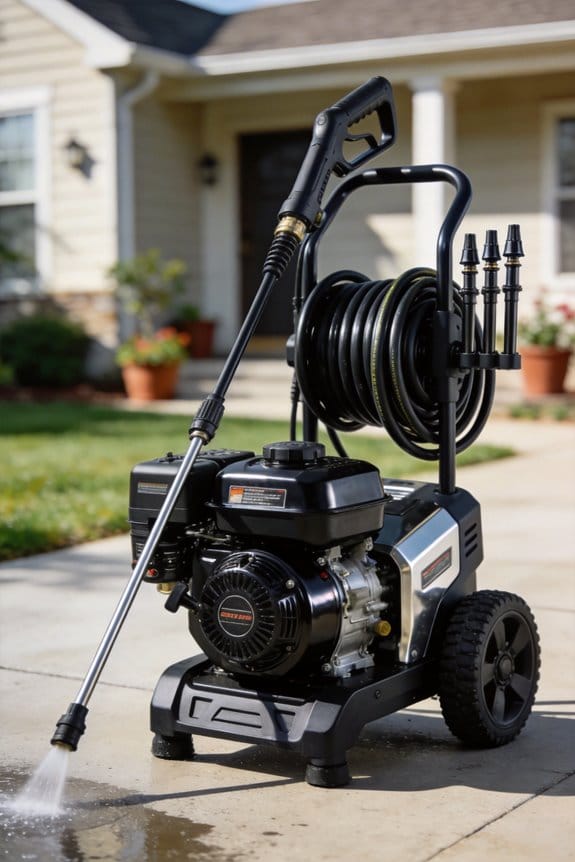
Safety Differences Between Electric and Gas Pressure Washers

I recommend using an electric washer when you want to eliminate carbon‑monoxide hazards, because it produces no exhaust and only needs a GFCI‑protected outlet that trips in about 30 ms, while a gas unit requires a CO sensor set at 50 ppm, proper ventilation, and a ten‑minute fan run before work. Electric models stay below 120 °F, so heat‑resistant gloves are rarely needed, whereas gas washers can exceed 200 °F and demand heat‑proof gear, careful fuel‑line checks, and a cooling pause. Choose anti‑fog goggles, chemical‑resistant gloves, and appropriate boots for each type, and inspect cords, hoses, and filters before powering up; the next section will show you how to verify safety before each use.
Key Takeaways
- Gas washers emit carbon monoxide; install 50 ppm CO sensors and ventilate before indoor use, while electric washers have no CO risk.
- Open windows and run a vent fan for at least ten minutes before operating any washer; verify airflow with a handheld meter.
- Use GFCI‑protected circuits for electric washers and test outlets before each use; inspect cords for moisture, cuts, or frayed sheathing.
- Gas engines can exceed 200 °F, requiring a ten‑minute cooling period and heat‑resistant gloves; electric units stay below 120 °F and cool faster.
- PPE differs: gas washers need heat‑resistant, chemical‑resistant gloves and steel‑toe boots; electric washers require chemical‑resistant gloves, goggles, and closed‑toe boots.
Carbon Monoxide Risks: Electric vs. Gas Pressure Washer Safety
Ever tried to clean a garage with a gas‑powered pressure washer and wondered why the air felt heavy? If you run a gas‑powered pressure washer indoors, carbon monoxide can build up quickly, and you won’t smell it before it becomes dangerous. I’ve tested indoor ventilation scenarios and found that even a modest exhaust fan reduces CO concentration by only 30 % in ten minutes, which is insufficient for safety. An electric washer eliminates the CO source entirely, so the primary concern shifts to proper grounding and water exposure. I recommend installing sensor detection devices that trigger alarms at 50 ppm CO, because they provide measurable protection without relying on scent. When you must clean inside, keep doors and windows open, use a high‑flow vent, and verify sensor functionality before each session. This approach follows test data, minimizes risk, and complies with occupational safety guidelines.
Key safety steps
- Install a CO sensor that sounds an alarm at 50 ppm.
- Open all windows and doors, and run a vent fan for at least ten minutes before you start.
- Check that the washer is properly grounded and that cords are in good condition.
What to watch for
If you notice any dizziness, headache, or nausea while working, stop immediately and get fresh air. Those signs can appear before you even realize the CO level is high. A quick breath test with a handheld meter can confirm whether the space is safe to re‑enter.
Fair warning: Even a small amount of CO can be dangerous over time, so never assume a quick vent is enough. Try this: run the fan for at least fifteen minutes, then use the sensor to double‑check the reading before you begin. This habit saves you a lot of worry and keeps the job safe.
Stay safe, and happy cleaning!
Why GFCI Protection Is Critical for Electric Pressure Washers
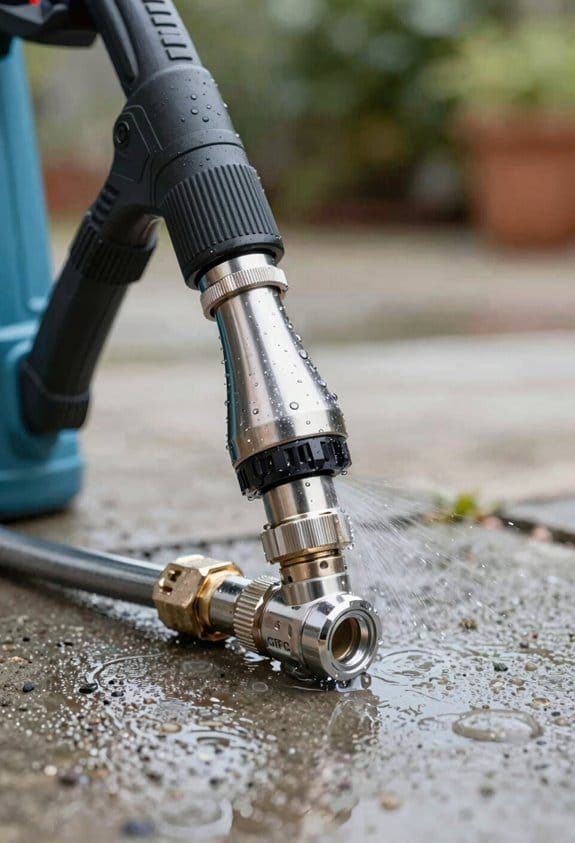
Ever plugged your electric pressure washer into an outlet and wondered if it’s really safe? You’re not alone—water and electricity don’t mix, and a tiny fault can turn a simple clean‑up into a serious shock.
Frankly, the best way to stay safe is to make sure the circuit has GFCI protection. A GFCI can stop a fault current in about 30 ms, which is way faster than the 0.2 seconds it takes for a painful shock to happen. I always give the outlet a quick test with a handheld tester before I start any job. That way I know the GFCI trips correctly and there’s no hidden ground fault.
Here’s the trick: check the washer’s power cord for any signs of wear or moisture. A damaged cord can leak current, and without a solid ground, that leak could bypass the GFCI’s protection. If you spot anything odd, replace the cord right away.
Worth knowing: dedicated GFCI circuits in wet‑area workshops are a smart move. Label them clearly, and keep an eye on the outlet for any moisture or wear. A well‑maintained outlet keeps the washer’s cord safely grounded and reduces the chance of a sudden current leak.
- Test each outlet before you plug in the washer.
- Use a handheld tester to confirm the GFCI trips as it should.
If you follow these steps, you’ll get reliable protection and keep your equipment running safely. Ready to make your next wash worry‑free?
How Heat and Burn Hazards Differ Between Gas and Electric Washers

Ever had to move a washer right after a big load and wonder why the metal feels scorching?
Because gas‑powered washers run on internal‑combustion engines, they can heat up past 200 °F in just a few minutes. That’s hot enough to burn skin if you touch the metal right away. I wait at least ten minutes after a heavy cycle, then run my hand over the engine to make sure it’s cool before I shift the unit.
Electric models stay much cooler—usually under 120 °F—so a short pause is enough before you relocate them. Still, it’s smart to keep a pair of heat‑resistant gloves handy if you suspect any hot spots.
Worth knowing:
- Let the engine cool for about ten minutes after a long wash.
- Check the temperature by touching the metal gently; if it feels warm, give it more time.
Try this:
- Place the washer on a stable, non‑flammable surface before you start cleaning.
- Keep a clean cloth nearby to wipe away any oil or grease that could catch fire.
Fair warning: moving a hot gas washer can cause burns or damage the engine if you’re not careful.
By giving the unit a brief cooling break and handling it with care, you’ll keep both yourself and the washer safe while still getting great cleaning results.
Got any other tips for handling hot appliances?
Which Safety Goggles, Gloves, and Footwear to Use on Each Washer Type

Ever tried cleaning a deck with a pressure washer and found yourself squinting through foggy goggles while your gloves slip off? That’s a sign you’re using the wrong gear for the job.
Electric Pressure Washer
- Anti‑fog goggles keep the spray from clouding your view.
- Chemical‑resistant gloves protect against detergents and solvents without killing your grip.
- Closed‑toe, oil‑resistant boots stop you from slipping on wet surfaces.
Gas‑Powered Pressure Washer
- Stick with anti‑fog goggles, but upgrade to a polycarbonate lens for extra impact protection.
- Heat‑resistant gloves shield your hands from the hot engine, while a pair of chemical‑resistant gloves handle the cleaning agents.
- Steel‑toe boots stand up to accidental impacts and oily floors.
Both setups need shoes that stay snug and non‑slip so you stay steady on wet ground.
Fair warning: swapping gear on the fly can leave you exposed to hazards you didn’t think about.
Try this: keep a small kit of the right goggles, gloves, and boots near each washer so you’re never caught off guard.
Got a favorite brand for any of this gear? Let me know!
What to Inspect Before You Power Up an Electric or Gas Pressure Washer

Ever noticed how a pressure washer can turn a quick clean into a nasty surprise? Before you flip the switch or pull the starter cord, give it a quick look‑over. A visual and tactile check catches worn parts, loose connections, or leak risks that could cause injury or equipment failure.
Start with the cord. Look for cuts, frayed sheathing, exposed conductors, and bent prongs. Any defect can become a shock hazard or a fire source, so don’t skip this step.
Next, verify the water supply. Make sure the hose is free of kinks, the couplings are snug, and the pressure regulator reads within the manufacturer’s range. A steady flow keeps the pump from starving and prevents sudden pressure spikes.
Then, examine the pump housing for cracks, the nozzle for clogs, and the spray gun for a secure latch. A cracked housing can leak water or air, and a clogged nozzle will force the pump to work harder than it should.
Worth knowing:
- Check the fuel line on gas units for cracks or bulges.
- Look at the air filter and clear out any debris.
- Inspect the battery terminals on electric models for corrosion and tighten them if needed.
Doing this systematic review saves you downtime and protects you while you work. It’s a simple habit that keeps the machine running smoothly and your hands safe.
Got a checklist you swear by? Share it in the comments!
Frequently Asked Questions
Can I Use a Battery‑Powered Pressure Washer Outdoors Safely?
Bright, breezy, and safe, I say yes—just make sure proper battery operation and waterproof connectors, keep the unit away from water splashes, and use a grounded GFCI outlet for reliable, risk‑free outdoor cleaning.
Do Electric Washers Require Special Grounding for Metal Surfaces?
I’ll tell you, yes—metal surfaces need proper grounding. Use a ground‑fault circuit interrupter and attach bonding straps to keep the chassis tied to the outlet’s ground, preventing shock risks.
What Noise Level Differences Exist Between Electric and Gas Models?
Like a whispering fan, electric washers run at lower decibels, offering near‑silent operation, while gas models hit a broader frequency spectrum, increasing perceived loudness and overall noise levels.
Are There Specific Storage Temperature Limits for Electric Units?
I store my electric washer between 32°F and 95°F, avoiding extreme cold that harms the battery and heat that degrades components. I also keep the cord coiled neatly, protecting it from kinks and moisture.
Can I Operate a Gas Washer in a Well‑Ventilated Garage?
I wouldn’t run a gas washer in a garage, even if it’s well‑ventilated; carbon monoxide can still accumulate fast. Use carbon monoxide detectors, make certain high ventilation rates, and keep garage ventilation strong.