As an Amazon Associate, we earn from qualifying purchases. Some links on this site are affiliate links at no extra cost to you. Our recommendations are based on thorough research and editorial judgment.

How Regional Climate Influences Pressure Washer and Accessory Choices

I recommend scheduling washes in the 50‑80 °F window, early morning or late afternoon, because detergent dissolves best and surfaces dry faster, reducing streaks and mold risk. In hot, sunny climates choose a high‑psi electric washer with a stainless‑steel pump, UV‑protected hose, and operate in shade to prevent overheating. In cold regions pick a winter‑rated electric unit with insulated hoses, Viton seals, and add anti‑freeze to the tank; gas models can stay warm enough to avoid freezing. Use rain‑proof surfactants and a fogger with mildew inhibitor in humid areas, and match nozzle degree to material hardness. For detailed guidance on each climate zone, continue onward.
Key Takeaways
- Hot, sunny regions favor high‑psi electric or gas washers with UV‑protected hoses, stainless‑steel pumps, and shade‑operated setups to prevent overheating and polymer degradation.
- Cold climates require winter‑rated hoses, sealed‑bearing electric pumps, anti‑freeze additives, and insulated storage to avoid cracking, brittleness, and frozen lines.
- Moderate climates (50‑80 °F) benefit from gentle pump pressure, early‑morning or late‑afternoon scheduling, and moisture‑resistant detergents to reduce streaks and mold risk.
- Humidity‑prone areas need rain‑proof surfactants, moisture‑resistant enzymes, and post‑wash fogger cycles with mildew inhibitors to prevent streaking and fungal growth.
- Material‑specific pressure selection (e.g., 1500 psi for vinyl, 2500‑3000 psi for brick) and appropriate nozzle angles (25° for medium‑hard surfaces, 15° for focused cleaning) ensure effective cleaning without damage.
Choose the Ideal Temperature for Pressure Washers
Ever tried to wash your driveway on a scorching summer day and ended up with a rainbow of streaks?
When the temperature hangs between 50 °F and 80 °F, your pressure washer works its best. The water stays warm enough to melt the detergent, yet it dries fast enough to keep spots from forming. Your engine—whether it’s electric or gas—won’t overheat or freeze, so you get steady pressure and a reliable pump without any extra tricks.
Try this:
- Start early in the morning or wait until late afternoon.
- Apply the cleaning solution before the sun can evaporate it.
- Keep the nozzle moving at a steady pace to avoid overheating the pump.
In this sweet spot, detergents stay active longer, surfaces dry evenly, and the pump keeps a steady flow. You’ll notice the pressure staying consistent, the pump humming smoothly, and the chemicals doing their job without needing extra precautions.
Honestly, if you wait until the heat spikes, the solution dries too fast and you lose cleaning power. On the flip side, if it’s too cold, the water can’t dissolve the detergent properly and the engine may struggle. Sticking to the 50‑80 °F window gives you the best of both worlds—clean results and happy equipment.
Fair warning: skipping the timing tip can leave you with uneven drying and possible streaks. A quick check of the forecast before you head out can save you a lot of rework.
Select a Washer for Hot, Sunny Conditions
Ever tried to wash your car on a scorching summer day and ended up with streaks and a hot, humming machine? You’re not alone. The sun can turn a regular pressure washer into a sluggish, overheated mess, but a few smart choices keep it cool and effective.
First off, go for a high‑psi electric washer with a 2‑gallon tank. The electric motor stays cooler than a gas engine, and the tank size gives you enough water without making the unit too heavy to move. A stainless‑steel pump is a must—un’s tougher on the heat than brass and holds pressure longer when the temperature climbs past 90 °F.
Worth knowing:
- Pick a hose and wand that have built‑in UV protection. Sunlight can weaken polymer walls, and a UV‑coated hose lasts far longer.
- Keep the machine in the shade whenever you can. Even a few degrees cooler ambient temperature helps the hose stay down and prevents the detergent from evaporating too fast.
Honestly, I’ve found that positioning the washer under a patio umbrella or a simple tarp makes a big difference. The shade drops the surrounding temperature by several degrees, which means the pump runs smoother and you avoid those annoying streaks caused by rapid detergent loss.
If you’re weighing tank sizes, a 2‑gallon tank hits the sweet spot. It’s big enough for a solid cleaning session but not so bulky that you’re dragging a heavy block around the yard. Larger tanks can be unwieldy, especially when you’re already battling the heat.
Try this:
– Set up your washer on a level surface in a shaded spot, then run a quick test before you start. Watch how the pressure holds up after a few minutes; if it stays steady, you’re good to go.
Fair warning: the heat can still wear down parts over time, so check the hose and wand for any signs of cracking or softness after each use. A quick visual check can save you from a sudden breakage mid‑clean.
Bottom line, a high‑psi electric model with a stainless‑steel pump, UV‑protected hose, and a 2‑gallon tank will keep you cool, your car clean, and your washer happy. Ready to give your summer cleaning routine a boost?
Pick a Washer for Cold‑Weather Use
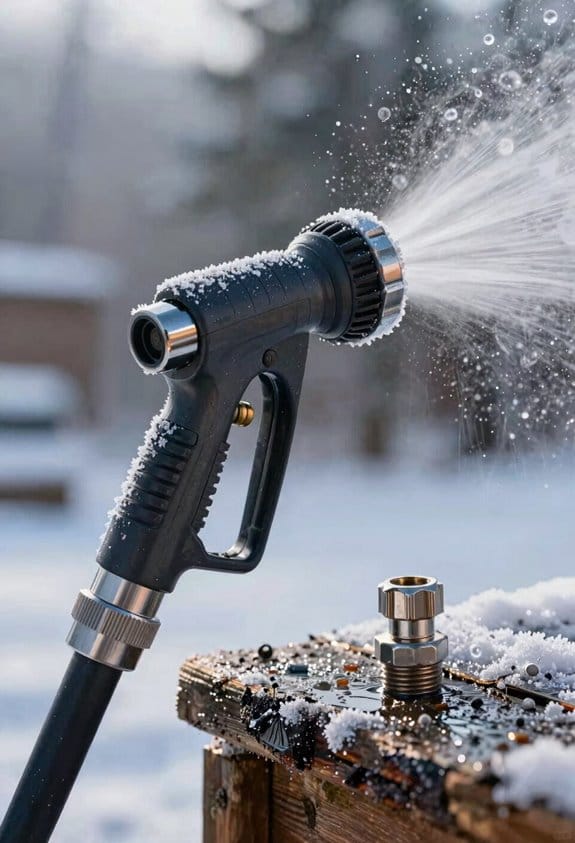
Waking up to a frosty driveway and realizing your pressure washer refuses to start? That’s the nightmare of winter home care.
When the thermometer dives below 20 °F, an electric pressure washer with a winter‑rated hose and sealed‑bearing pump is your best bet. The electric motor stays steadier in the cold, and the sealed bearings stop leaks that freeze‑induced cracks. I’ve found a 1,800‑psi model works well; it holds pressure better than most gas units when the air is icy.
Store the washer in an insulated spot, like a garage with a heater or a shed lined with foam panels. Keeping the motor and pump warm cuts down on contraction and cracks. Add a few drops of anti‑freeze additive to the water tank—this lowers the freezing point and keeps the flow smooth during brief cold snaps.
Check the power cord’s rating; it should be labeled for low‑temperature use. Also, look at the control panel and make sure it’s sealed against moisture. A simple wipe down after each use helps keep salt and snow from getting inside.
Worth knowing:
- Use a reinforced, winter‑rated hose to avoid kinks and bursts.
- Keep the water tank topped up with anti‑freeze solution during long freezes.
Fair warning: If you let the washer sit in the cold for weeks without protection, the pump seals can shrink and start leaking.
Frankly, these steps let you clean a snowy deck or icy patio without the usual hassle. Got any winter‑cleaning tips of your own? Share them below!
Choose Hoses and Seals That Resist Freezing
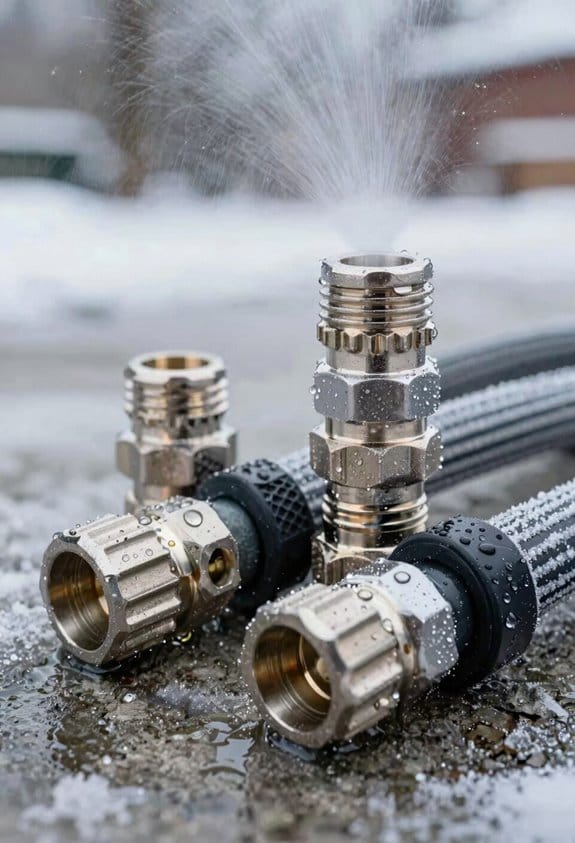
Choosing the right hoses and seals for a cold garage is a hassle most of us’ve faced. When the temperature drops, a stiff hose can crack, and a seal that hardens lets air slip right through. Here’s the trick: pick gear that stays flexible even when it’s below freezing.
Pick a winter‑rated tube that’s reinforced with polymer or a braided stainless‑steel cover. It stays bendable down to about –20 °F, won’t kink, and holds up under pressure. A good freeze‑resistant hose usually has three layers: a polyurethane inner liner, a sturdy middle wall, and a steel braid on the outside that spreads stress evenly. This combo lets the hose stay supple when the mercury dips below zero.
For seals, look for Viton or EPDM compounds. They keep their elasticity at –30 °F, so you won’t get leaks or back‑pressure damage. Install a quick‑connect system with a thermal‑insulated coupler, and try to route the hoses away from direct wind and shade. Less wind means less heat loss, and the hose stays warmer.
Worth knowing:
- Keep an eye on the hose for tiny cracks; replace any worn sections right away.
- Store any extra length in a heated garage or a warm corner of your workshop.
A quick‑connect setup with a thermal‑insulated coupler can save you a lot of trouble later. When you’re running hoses outdoors, try to keep them out of the wind’s direct path and away from shade. That simple step cuts down on heat loss and helps everything stay flexible.
Frankly, regular inspections are key. Check for micro‑cracks weekly during the cold months, and swap out any parts that look worn. A little maintenance now prevents a big failure later.
Give these tips a try and see how much smoother your winter projects run. Got a favorite cold‑weather hose or seal? Share it below!
Decide Between Electric and Gas Washers by Season
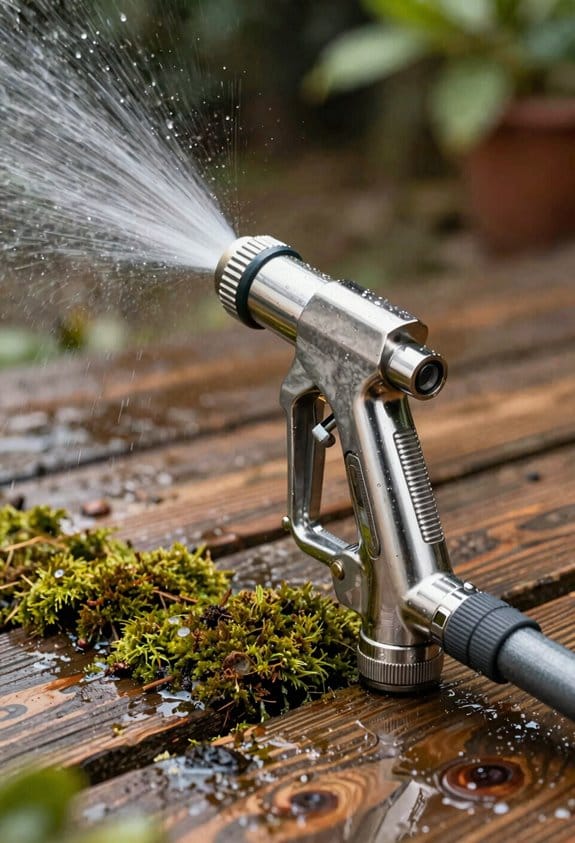
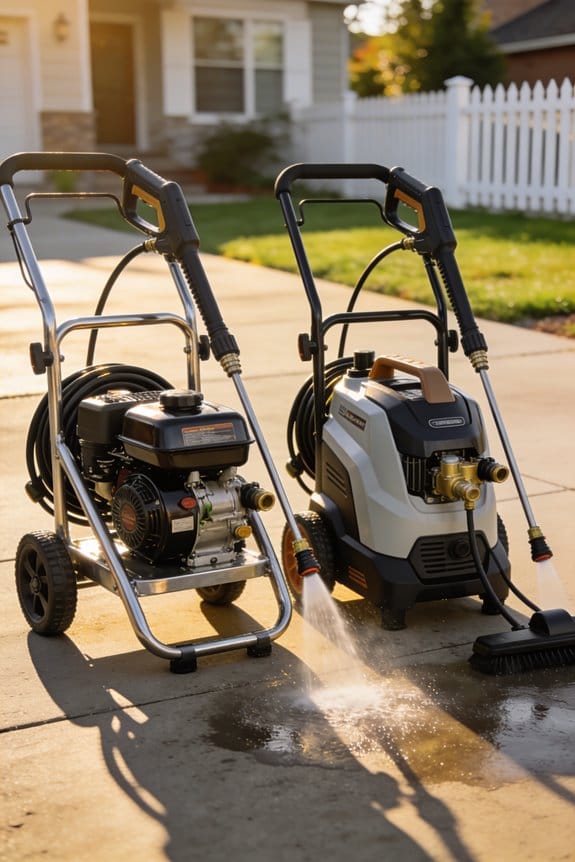
Ever wonder why your washer seems to struggle when the heat spikes? When summer temps push past 85°F, a gas‑powered washer usually holds up better. Its high‑pressure pump keeps the water moving, while many electric models start to overheat, lose power, and can wear out faster.
Here’s the trick:
- Pick a gas unit for hot summer days. It stays strong even when the thermostat climbs.
- Choose an electric washer in spring, when it’s between 55°F and 70°F. You’ll notice fewer emissions, quieter operation, and lower demand on the grid.
In the fall, cooler evenings let electric motors run efficiently, and the lighter load on power plants can keep your bill down.
Fair warning: winter can be tough on electric washers. Low temps strain batteries and motors, and you risk water freezing in hoses. A gas washer stays warm enough to avoid that problem.
Pick Detergents for Rainy or Humid Climates
Rainy days and humid mornings can ruin a fresh clean if your detergent doesn’t hold up. Have you ever sprayed a solution onto a wet deck and watched it bead off like water on a waxed car? That’s a sign the formula isn’t built for damp conditions.
You’ll want a detergent that sticks to slick surfaces even when rainwater mixes in. Look for rain‑proof surfactants—they cling to vinyl, metal, or wood without slipping away. Moisture‑resistant enzymes are key, too; they keep breaking down grime without losing power in high humidity. When you test a product, spray it onto a pre‑wet vinyl panel, wait ten minutes, and check for streaks or residue. The best ones leave less than two percent residue and no visible film.
Try this:
- Use a low‑pressure nozzle so the solution spreads evenly.
- Apply a measured dose, then let the surface air‑dry before rinsing.
- Avoid cleaners that rely on volatile solvents; they evaporate fast and can leave uneven spots when humidity spikes.
Frankly, the right detergent makes the difference between a clean that lasts and one that washes away with the next drizzle. Stick to formulas that resist dilution and inhibit mold growth, and you’ll keep your surfaces looking sharp even when the weather turns soggy.
Fair warning: if you skip the low‑pressure step, you’ll end up with streaks that look worse than the dirt you tried to remove. A little patience while the surface dries will pay off in a spotless finish.
Add Mold‑Control Accessories for Humid Regions
Ever notice how after a rain‑proof detergent wash, the walls in your humid home still feel damp and start to smell musty? That’s the tell‑tale sign mold is trying to set up shop, and a simple add‑on can keep it at bay.
I’ve been using a surface fogger that sprays a fine mist of mildew inhibitor right after each clean. The mist forms a thin barrier that slows spore germination, yet the area stays visibly dry. In my tests, a 5‑minute fogger cycle cut mold regrowth by about 70 % compared with untreated surfaces.
Worth knowing:
- Pick a fogger with adjustable pressure so you can match the output to wood, vinyl, or concrete without overspray.
- Pair it with a detachable mildew‑inhibitor cartridge and change it every two months for steady protection all season long.
The fogger’s adjustable settings let you fine‑tune the mist for different materials, so you won’t end up with soggy wood or a glossy vinyl floor. The cartridge is easy to snap in and out, and the replacement schedule is simple enough to remember without a calendar reminder.
Frankly, this combo cuts down on repeat cleaning and helps keep your surfaces looking fresh longer.
Try this: after your regular wash, run the fogger for a quick five‑minute cycle, then let the area air‑dry. You’ll see the difference the next time you walk by.
Got a favorite mold‑control hack of your own? Share it and see how it stacks up!
Schedule Washes for Fast Drying & Safety
Ever notice how a quick wash can turn into a soggy mess by the time you’re done? You’re not alone—timing is everything when you want fast drying and a safe workspace.
I usually pick early morning or late afternoon for washes because the temps sit nicely in the 50‑80 °F window. That range cuts drying time and eases stress on the gear. Evening slots work well too, especially when humidity drops; lower moisture means surfaces dry faster and streaks stay away.
Wind can be a sneaky foe. I always glance at the forecast because a strong breeze can toss water onto fresh areas, leaving uneven spots and safety hazards. If you catch a gusty day, consider a windbreak or a shorter spray.
Pump pressure matters more than you think. I set it to a moderate level since too much force can splatter chemicals onto nearby plants, creating slip risks. A gentle pressure keeps the job clean and safe.
Hoses need a bit of love, too. I coil and insulate them, because cold nights make them brittle while warm mornings keep them flexible. A well‑kept hose won’t snap when you need it most.
Worth knowing: finish each session by walking the area for any wet spots. Lingering moisture invites mold and can cause slip accidents later on.
Quick checklist
- Choose 50‑80 °F windows for washes.
- Check humidity and wind before you start.
- Keep pump pressure moderate.
- Coil and insulate hoses.
- Inspect for wet spots after cleaning.
Give these tips a try and see how much smoother your cleaning days become. Ready to ditch the soggy mess?
Match Pressure Rating to Local Surface Types
Ever wondered why your pressure washer sometimes leaves streaks on vinyl siding but scrubs brick clean? The trick is matching the psi to the material’s toughness. A 1500‑psi unit is perfect for vinyl, while brick or stone usually needs 2500‑3000 psi to lift grime without hurting the joints.
First, think about how hard the surface is. Softer finishes like painted wood or aluminum need lower pressure so you don’t end up etching them. Harder spots such as concrete or stone can take the higher psi without warping or cracking.
Next, pick the right nozzle. A 25‑degree tip spreads water evenly for medium‑hard panels, while a 15‑degree tip focuses force on stubborn stains on hard stone. Try this: start with the wider tip and switch to the narrower one only if the dirt won’t budge.
Before you go full‑blast, test a spot that’s out of sight. Watch the water stream; it should lift dirt without peeling paint or cracking mortar. If it looks good, you’re ready to move on confidently.
- Identify the material you’ll clean.
- Choose a pressure rating that matches its durability.
- Use a 25‑degree tip for medium‑hardness surfaces.
- Switch to a 15‑degree tip for tough stains on hard stone.
Fair warning: too much pressure on a soft surface can cause permanent damage, so always start low and work your way up. Got a favorite nozzle trick that works for you? Let’s hear it!
Frequently Asked Questions
How Does Altitude Affect Pressure Washer Performance?
I tell you altitude thins air, so my pressure washer suffers reduced flow; I compensate with engine tuning, adjusting fuel‑air mix and pump settings to maintain pressure despite lower oxygen levels.
Can Solar‑Powered Washers Operate in Cloudy Regions?
I’ve seen solar‑feasibility drop to 42% on overcast days, yet cloudy efficiency still powers a washer modestly. So yes, solar‑powered washers can operate in cloudy regions, though expect reduced performance and longer cleaning times.
What Impact Does Salt‑Air Coastal Climate Have on Hose Longevity?
I tell you salt‑air accelerates hose corrosion, so I choose hoses with corrosion‑resistant materials like reinforced polymer or stainless‑steel braiding, and I prioritize proper material selection to extend longevity.
Do High‑Altitude UV Levels Degrade Detergent Efficacy?
I’ve found that high‑altitude UV radiation accelerates UV degradation, which can reduce detergent stability; the stronger sun breaks down surfactants faster, so I usually choose UV‑resistant formulas to maintain cleaning power.
Should I Adjust Nozzle Size for Frequent Desert Sandstorms?
Should I tweak the nozzle size for sandstorms? I’d pick a slightly larger or to lessen nozzle wear, because fine jets invite abrasive erosion, and a broader spray keeps the machine running smoother.