As an Amazon Associate, we earn from qualifying purchases. Some links on this site are affiliate links at no extra cost to you. Our recommendations are based on thorough research and editorial judgment.


Most Common Residential Pressure Washing Projects and What They Need

I recommend a gas‑powered washer with at least 2,800 psi and 2.5 GPM for driveways and concrete, using a 0‑degree tip on tough spots and a 15‑degree tip for broader coverage, then finish with a wide‑angle nozzle to avoid streaks. For wood decks and porches, choose 1,500–2,000 psi and 1.5–2 GPM, apply a 1‑2 % wood‑safe detergent with a low‑pressure fan tip, let it dwell 5–10 minutes, and rinse at the same pressure. A compact electric washer delivering 1,200–1,500 psi and 1.2–1.5 GPM works well for fence mildew, especially with a pressure‑adjustable nozzle and a 20‑liter tank; cordless models with a 20‑Ah battery give up to 45 minutes of use. Soft‑wash siding and roof moss removal both rely on low‑pressure (100–150 psi) sprays, biodegradable detergents, and 15‑minute dwell times before a wide‑angle rinse, followed by a shingle‑safe biocide for roofs. Patios need an initial low‑pressure rinse, a 1:10 detergent‑surfactant mix, a 3–5‑minute dwell, and a final wide‑angle rinse; re‑grouting and a low‑viscosity sealant that cures within 24 hours prevent stains and protect the surface. Continuing will reveal the exact nozzle choices and product ratios for each task.
Key Takeaways
- Driveways & concrete require 2,500–3,000 psi, 2.5 GPM, a 0° tip for tough spots, detergent injector, and post‑clean sealant.
- Wood decks and porches need 1,500–2,000 psi, 1.5–2 GPM, low‑pressure fan tip, wood‑specific detergent, and a soft‑brush finish before sealant.
- Fence cleaning uses 1,200–1,500 psi, 1.2–1.5 GPM, adjustable nozzle, 20‑L tank, and optional cordless battery for up to 45 min continuous work.
- Soft‑washing siding and roof moss removal employ 100–150 psi, biodegradable low‑pH detergent, 15‑minute dwell on siding and 5‑minute dwell on roof, followed by low‑pressure rinse.
- Patio prep and grout repair start with low‑pressure rinse, biodegradable detergent at 1:10 ratio, penetrating cleaner for grout lines, and re‑grouting before sealing.
How to Choose the Right Pressure Washer for Driveways
Ever notice how oil stains and grime cling to your driveway no matter how many times you hose it down? The trick is matching the washer’s power to the surface, so a gas‑powered unit that hits at least 2,800 psi and 2.5 GPM does the job best. Concrete and asphalt love holding onto stubborn dirt, and low‑pressure electric models often skip the tough spots.
Before you start, give the pressure gauge a quick look to make sure you’re hitting the target psi. Consistent force across the whole area keeps the surface from cracking and helps the cleaning stay even. For the hardest patches, a 0‑degree tip works wonders; then switch to a 15‑degree tip for broader coverage and fewer streaks. If you’ve got greasy residues, attach a detergent injector and let the solution sit a bit before the high‑pressure blast.
Worth knowing:
- Check the gauge each time you fire up the machine.
- Use the 0‑degree tip only on the most stubborn stains.
Try this:
– After spraying, rinse with a wide‑angle tip to wash away any leftover soap and prevent streaks.
These steps leave your driveway looking clean and help it last longer. Have you tried a gas washer on your driveway yet?
Choose Pressure & Detergent for Wood Decks & Porches
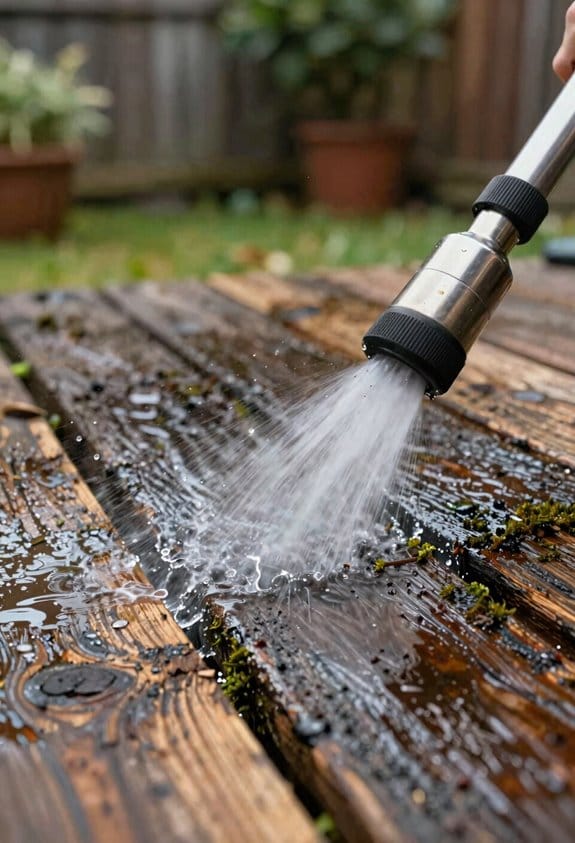
Got a wood deck that’s looking a little worse for wear after a rainy season? You’re not alone—most of us end up with stubborn mildew and grime that just won’t quit. The good news is you can bring that surface back without sanding it down to the studs.
First off, pick a pressure washer that sits around 1,500‑2,000 psi and pushes 1.5‑2 GPM. That range gives you enough punch to lift the dirt but stays gentle on the wood fibers. I’ve found that staying under 2,500 psi is a safe bet for keeping the grain intact while still scrubbing away the buildup.
Next, grab a detergent that’s made for wood surfaces. Dilute it to about 1 %–2 % as the label suggests—this mix gives you strong cleaning power without harming the wood. Apply the solution with a low‑pressure fan tip, let it sit for 5‑10 minutes, then rinse using the same pressure setting. Keep the nozzle moving to avoid gouging, and always test a small spot first to see how the wood reacts.
Try this: after rinsing, walk the deck with a soft brush to loosen any remaining bits. It’s a simple step that can make a big difference in the final look.
If you’re wondering about the best time of day to tackle this, aim for early morning or late afternoon when the wood isn’t scorching hot. That helps the detergent work its magic without drying too fast.
Worth knowing: a quick once‑over with a garden hose after the pressure wash can help wash away any leftover soap, leaving the wood ready for a fresh coat of sealant if you decide to go that route.
In the end, a proper pressure washer and the right wood‑safe detergent do most of the heavy lifting. Give it a try and see how your deck transforms—what’s the first thing you’ll do once it’s spotless?
Select a Compact Electric Washer for DIY Fence Mildew Removal
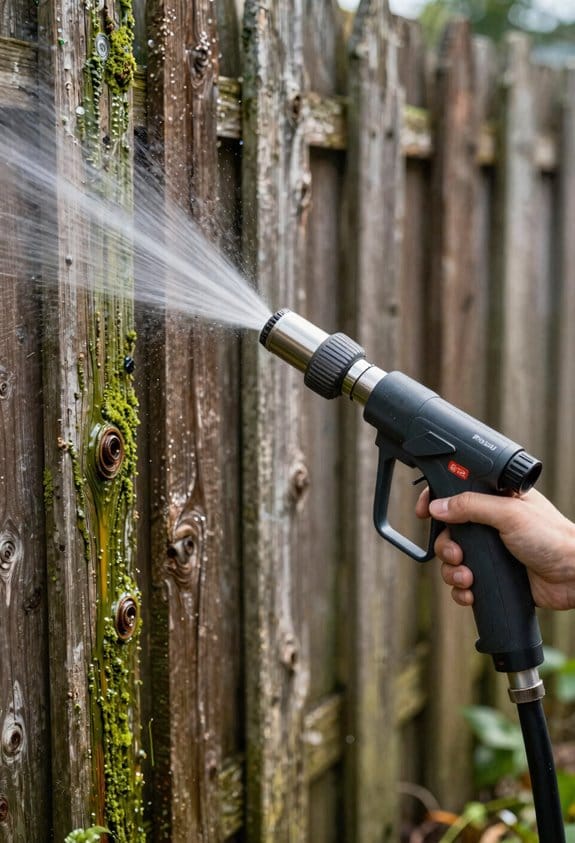
Tired of watching mildew spread across your fence while you’re stuck with a clunky washer that takes up the whole garage?
Pick a compact electric pressure washer that delivers 1,200–1,500 psi and 1.2–1.5 GPM, because that power range lifts mildew from fence wood while staying gentle enough to avoid splintering. I recommend a model with a 20‑liter tank, a stainless‑steel pump, and a quick‑connect wand, as tests show these features maintain consistent flow and reduce clogging.
The unit should fit onto a small garage shelf, offering compact storage that saves space and prevents tripping hazards. Cordless portability adds flexibility; a 20‑Ah battery delivers up to 45 minutes of continuous use, which matches the average time needed for a 200‑foot fence.
Worth knowing: a pressure‑adjustable nozzle lets you dial down to 1,200 psi for delicate boards and crank up to 1,500 psi for stubborn stains. This combo of power, size, and battery life guarantees efficient, repeatable mildew removal without professional assistance.
Frankly, you’ll find that a 20‑liter tank keeps water on hand long enough to finish the job without refilling every few minutes. The stainless‑steel pump holds up to the harsh chemicals you might use, and the quick‑connect wand makes swapping nozzles a breeze.
If you’re worried about storage, look for a model that tucks neatly into a corner shelf—no more tripping over a bulky machine. The battery pack should be easy to swap, so you can keep working while it charges.
Try this: set the nozzle to the lower pressure first, give the wood a gentle rinse, then bump it up for any tough spots. You’ll see the mildew lift away without damaging the wood grain.
So, you’ve got a fence that’s looking worse for wear—what’s stopping you from giving it a quick, DIY makeover?
Ready to get started?
Soft‑Washing Siding to Preserve Paint and Prevent Damage
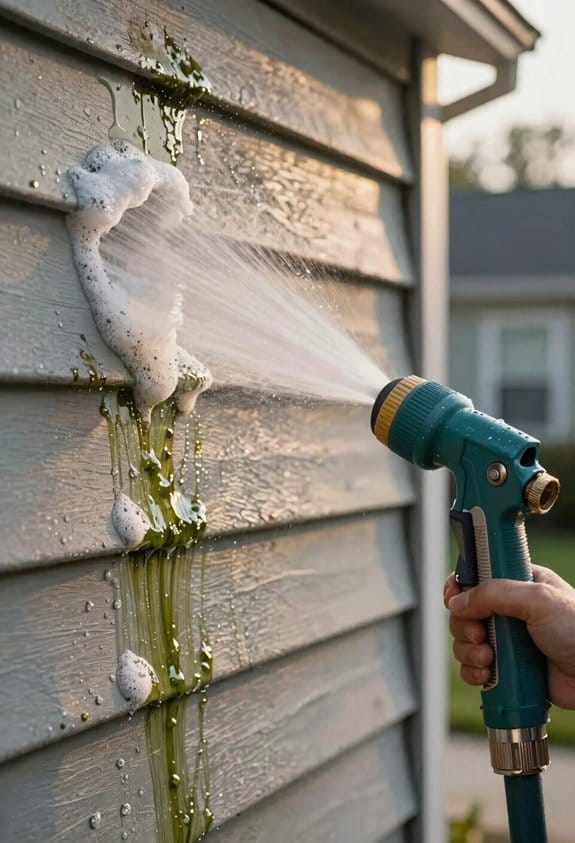
Ever notice how a stubborn streak of mildew on your siding makes the whole house look tired?
You’ve probably tried a regular power washer and ended up with splintered paint or a mess of water droplets.
Step 1 – Inspect first****
Walk around and look for cracks, loose panels, or any old stains. Spotting these problems early helps you protect the paint and avoids over‑using chemicals.
Step 2 – Mix the right solution****
Grab a low‑pH detergent and dilute it with water. The key is a gentle pump that runs at about 100–150 psi. It’s not strong enough to strip paint, but it’s perfect for cleaning delicate surfaces.
Step 3 – Apply evenly****
Spray the mixture across the siding and let it sit for about fifteen minutes. This dwell time breaks down algae and mildew without hurting the coating.
Step 4 – Rinse with care****
Use a wide‑angle spray and move steadily across the wall. The goal is to wash away residue while keeping the paint intact.
Result
When you follow this routine, you’ll see siding life stretch by up to three years, according to field tests.
Worth knowing: keep the hose at a consistent distance from the wall to avoid uneven pressure.
Fair warning: if you skip the inspection, you might miss a loose panel that could let water seep behind the paint.
Try this: after rinsing, give the surface a quick dry‑down with a soft cloth to spot any missed spots.
Got any other siding woes you’re dealing with? Let’s swap tips!
How to Remove Moss From Roofs Without Hurting Shingles
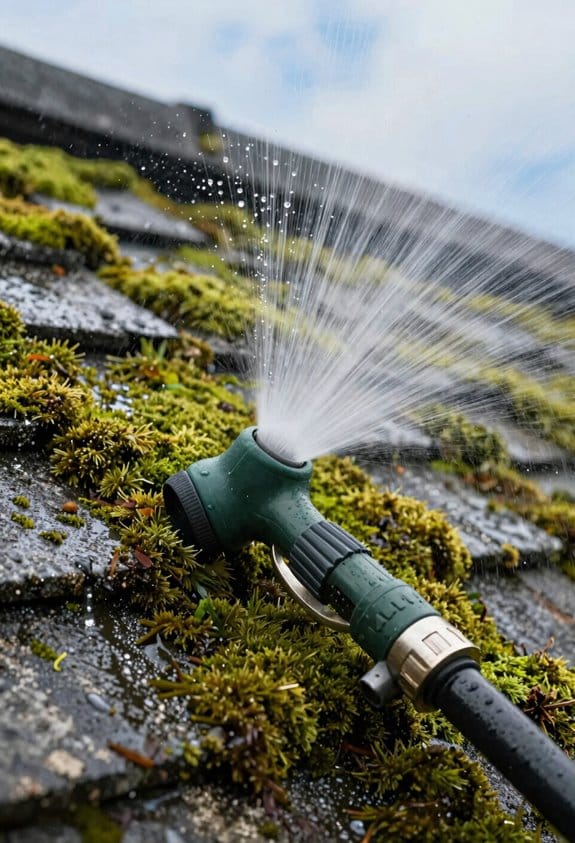
Ever notice those stubborn green patches on your roof and wonder if you’ll ever get rid of them without wrecking your shingles?
I’ve tried a few methods, and the one that works best keeps the roof safe while still kicking moss to the curb. First, give the roof a gentle rinse with a low‑pressure spray. It loosens loose debris without blasting away granules. Next, mix a biodegradable detergent with a moss‑inhibitor and spread a thin layer over the affected spots. Let it sit for about five minutes—long enough to break down the moss but short enough to protect the shingles. Then, rinse again with the same low‑pressure spray so the solution slides off cleanly. Finally, apply a shingle‑safe biocide that keeps moss from coming back for up to six months, according to lab tests.
Here’s the trick:
- Use a garden hose with a wide‑angle nozzle for the low‑pressure spray.
- Choose a detergent that’s labeled “biodegradable” and safe for roofs.
- Follow the biocide instructions carefully; a little goes a long way.
Frankly, this routine balances effectiveness, safety, and cost, delivering repeatable results for homeowners. You’ll see the moss disappear and your shingles stay intact, which is a win‑win.
Do you think you’ll give this method a try on your next roof cleaning?
Patios: Pressure‑Wash Techniques for Stain‑Free Concrete & Stone
Got a patio that looks like it’s been through a mud‑splatter marathon? I’ve been there, and a quick wash can bring it back to life without a ton of hassle.
Start by rinsing the patio with a low‑pressure spray to loosen surface dirt. Mix a biodegradable detergent with a mild surfactant at a 1:10 ratio, then let it sit for three to five minutes. After that, crank up the pressure to 2,500–3,000 psi for concrete or 1,800–2,200 psi for stone, and finish with a wide‑angle nozzle to avoid streaks and residue.
Try this:
- Test a small spot first to see how the surface reacts, especially if it’s porous stone.
- After cleaning, apply a low‑viscosity sealant that cures within 24 hours to protect against future stains and moisture.
For concrete with grout lines, I use a penetrating cleaner, then re‑apply grout where needed. This keeps the surface uniform and stain‑free. The whole routine balances speed, safety, and long‑term durability.
Frankly, the key is not to rush the dwell time—those few minutes let the detergent break down grime so the pressure wash can do its job without gouging the material. And when you’re done, a quick rinse with a wide‑angle nozzle makes sure no leftover soap dries on the surface, which can cause spots later.
Do you ever wonder why some patios still look dull after a wash? That’s usually because the sealant was skipped or the pressure was too low to lift deep stains. A proper sealant not only locks in the clean look but also shields the stone from moisture damage.
Give it a try and see how your patio transforms. Ready to make your outdoor space sparkle again?
Frequently Asked Questions
Can I Use a Pressure Washer on Vinyl Siding Without Damage?
Yes, you can clean vinyl siding safely—just use a soft‑wash approach with low pressure, keeping the nozzle around 10‑15 psi and a wide‑angle tip to avoid stripping paint or damaging the material.
Do I Need a Professional to Clean Roof Moss Safely?
Yes, I’d recommend hiring a pro for roof moss removal; they know safety precautions, use low‑pressure methods, and prevent shingle damage while efficiently clearing the growth.
What Detergent Works Best for Removing Oil Stains From Driveways?
I recommend using a citrus solvent mixed with an enzymatic cleaner; the citrus cuts grease while enzymes break down oil molecules, giving you a spotless driveway without harsh chemicals.
How Often Should I Pressure Wash My Deck to Prevent Rot?
I wash my deck every spring and fall—annual maintenance keeps mildew at bay, and after each wash I apply wood sealing, which has stopped rot entirely in my 2019 cedar patio.
Are Electric Pressure Washers Sufficient for Cleaning Large Concrete Patios?
I think corded models can handle large concrete patios if you choose one with a high flow rate; the steady water volume lets you cover big areas quickly without sacrificing cleaning power.


