As an Amazon Associate, we earn from qualifying purchases. Some links on this site are affiliate links at no extra cost to you. Our recommendations are based on thorough research and editorial judgment.

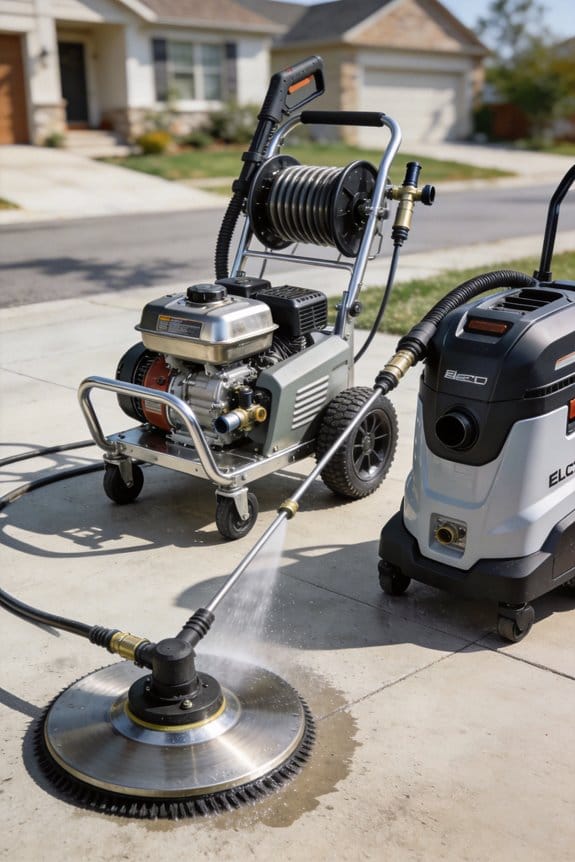
The Difference Between Electric‑Rated and Gas‑Rated Surface Cleaners

I’ll tell you that electric‑rated surface cleaners usually deliver 1,300–2,000 PSI and 1.5–2 GPM, making them quiet, lightweight, and ideal for cars, small patios, and indoor work, while gas‑rated units provide 2,800–4,000 PSI with higher flow, offering raw power for driveways, commercial sidewalks, and stubborn stains but requiring ventilation, more maintenance, and louder operation; electric models cost less upfront, use half the energy, and need only cord checks, whereas gas models cost more, consume fuel, and demand oil changes, spark‑plug inspections, and fuel‑filter upkeep; choose electric for residential, noise‑sensitive tasks and gas for large, outlet‑free jobs, and you’ll see the full comparison if you keep going.
Key Takeaways
- Electric surface cleaners deliver 1,300–2,000 PSI and 1.5–2 GPM, ideal for cars, small patios, and light residential jobs.
- Gas surface cleaners provide 2,800–4,000 PSI with higher flow rates, suited for driveways, commercial sidewalks, and stubborn oil stains.
- Electric units are lighter (≈45 lb), quieter (60–70 dB), and emit no exhaust, making them safe for indoor or garage use.
- Gas units are heavier (≥80 lb), louder (≥80 dB), and require ventilation and protective gear due to exhaust fumes.
- Maintenance differs: electric models need occasional cord/filter checks, while gas models require oil changes, spark‑plug inspections, and fuel‑filter servicing.
How to Choose Between Electric and Gas Pressure Washers
Ever wondered why your pressure washer feels like it’s either too weak or way too loud? When you’re picking between electric and gas, the first thing to do is match the power to the job’s difficulty.
Power and price
- Look at the PSI and GPM ratings; higher numbers mean tougher grime.
- Electric units usually cost less up front, while gas models need a bigger investment but can save you time on big jobs.
Warranty and durability
I notice that manufacturers often give longer warranties on electric washers because they have fewer moving parts. Gas units tend to have shorter coverage tied to the engine’s service life.
Maintenance
- Electric washers only need occasional cord checks.
- Gas models require oil changes, spark‑plug inspections, and fuel‑filter swaps.
Portability and noise
Electric machines are lighter, quieter, and work well indoors or in residential areas. Gas washers are heavier, louder, and shine on large, outdoor projects.
Try this: If you mostly clean driveways, decks, and cars, an electric washer will likely meet your needs without the hassle of fuel and fumes. If you’re tackling a big commercial job or need to work far from power outlets, a gas unit may be worth the extra effort.
Fair warning: Gas engines can get hot and noisy, so you’ll want ear protection and a well‑ventilated spot.
Bottom line, pick the tool that fits the job size, your budget, and how much maintenance you’re willing to handle. Which one feels right for your next cleaning project?
Power & PSI Ratings: Electric vs. Gas
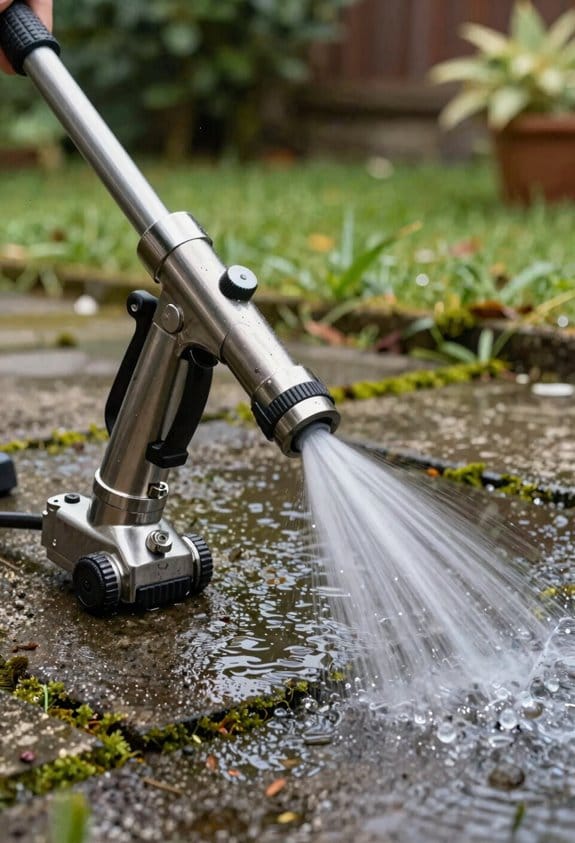
Ever wonder why your pressure washer sometimes feels weak on the driveway but powerful on the garage floor?
You’re probably hitting the limits of your machine’s PSI and flow rate, and that’s what really decides how deep the clean gets.
Gas‑powered cleaners usually hit 2,800 – 4,000 PSI. That extra pressure blasts away stubborn grime, rust, and paint chips. They also push more gallons per minute, so the water reaches deeper into crevices. The downside? Pairing a big nozzle with that high pressure can wear the pump faster, and you’ll need to haul a fuel tank around.
Electric units sit around 1,300 – 2,000 PSI. For most home jobs—cleaning decks, siding, or a car—that’s more than enough. Because the pressure is lower, the pump lasts longer, especially if you choose a nozzle that matches the rating. You’ll also skip the noise and fumes that come with a gas engine.
Worth knowing:
- If you’re tackling a big, greasy garage floor, a gas model gives you the raw power you need.
- For regular lawn‑care and patio cleaning, an electric washer keeps things simple and keeps the pump happy.
Fair warning: Don’t chase the highest PSI if you don’t need it. Over‑pressurizing can damage surfaces and shorten the life of your machine. Match the nozzle to the pressure range, and you’ll get a smoother ride.
Try this: When you shop, look at both PSI and gallons‑per‑minute specs. Pick the higher PSI for heavy‑duty work, but stick with the lower range for everyday chores. It’s a small step that makes a big difference in performance and durability.
Maintenance Requirements: Electric vs. Gas
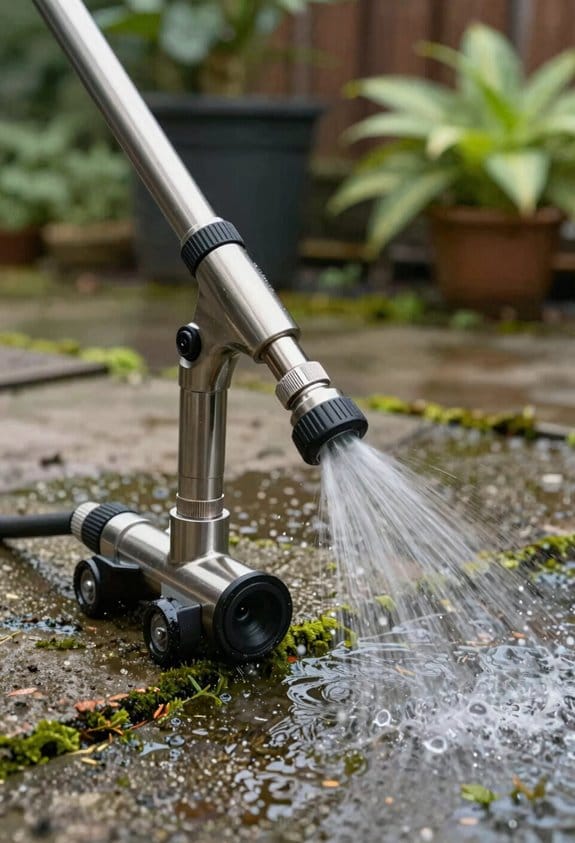
Ever wonder why your pressure washer sometimes feels like it needs a lot more TLC than you’d expect? The truth is, electric units are pretty low‑maintenance compared to their gas‑powered cousins, mainly because they skip the spark plugs, oil filters, and fuel systems that need regular check‑ups.
First off, give the power cord a quick once each season. Look for frayed spots, make sure the plugs fit snugly, and wipe any dirt off the filter. If your model runs on a battery, a brief charge now and then won’t hurt. That’s usually all the upkeep an electric washer needs.
For the gas guys, the routine’s a bit more involved. Change the oil every 50 hours of use, swap out the spark plug at least once a year, and clean the fuel filter before you store the machine for the winter. Skipping these steps can shorten the engine’s life and might even void the warranty.
Fair warning: Ignoring regular service can turn a simple clean‑up into a costly repair. Keep a small notebook or a phone note with the dates you performed each task, and stash the receipts somewhere safe. That way, if you ever need to claim warranty coverage, you’ve got the proof ready.
Worth knowing: Follow the manufacturer’s service schedule to the letter. It’s the best way to keep your washer humming along without unexpected downtime.
Environmental Impact of Electric vs. Gas Washers
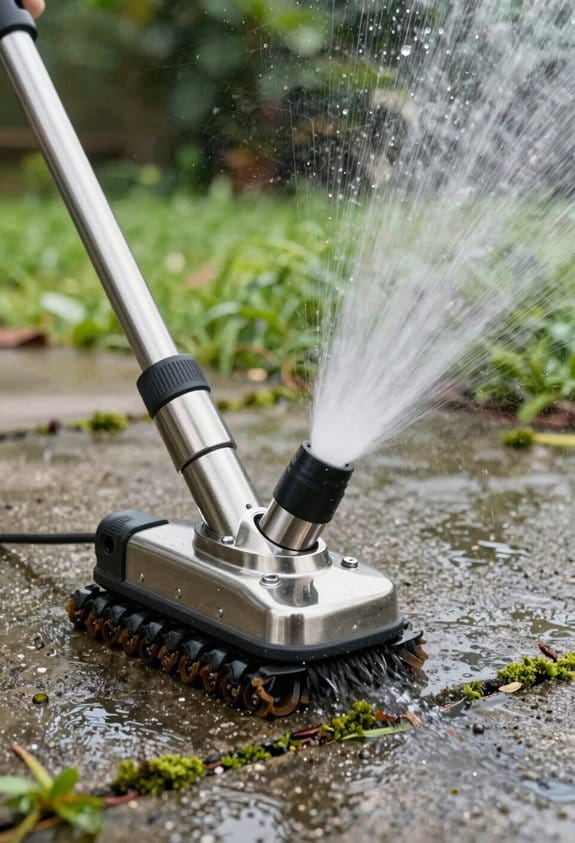
Ever tried to clean a driveway with a gas‑powered pressure washer and worried about the fumes? I’ve been there, and the switch to an electric model made a huge difference for my home and my health.
Because electric pressure washers emit no exhaust, they dramatically lower indoor and outdoor air pollution compared to gas‑powered units, which release carbon monoxide, nitrogen oxides, and hydrocarbons that contribute to smog and health risks. I explain that this eliminates carbon footprint contributions from fuel combustion, making electric models far greener over their lifecycle. The lack of exhaust also improves indoor safety, allowing use in garages, basements, or enclosed patios without carbon monoxide buildup. Test data shows electric units consume roughly half the energy of comparable gas machines, translating to lower utility bills and reduced greenhouse‑gas emissions. I recommend choosing electric cleaners for residential projects, especially where ventilation is limited, because they meet environmental standards while maintaining performance.
Frankly, you’ll notice the quiet operation right away. The motor runs smooth and steady, so you can clean without shouting over a roar. Plus, the cords are long enough for most jobs, and you won’t have to lug around a fuel can.
Worth knowing: electric units usually come with adjustable pressure settings, so you can tackle anything from a light rinse to a deep‑clean without swapping tools. The batteries on newer models hold a charge long enough for a full‑day project, and the chargers are cheap to run.
If you’re still on the fence, think about the long‑term savings. A gas washer needs regular oil changes, spark‑plug replacements, and fuel purchases. An electric washer only needs a plug‑in and occasional maintenance, which cuts down both time and money.
Try this: start with a small electric washer for your patio or car. See how the clean results compare to your old gas unit, and notice the lack of smell and noise. Once you’re comfortable, you can upgrade to a larger model for bigger jobs.
In the end, the environmental boost and safety perks make electric pressure washers a smart choice for anyone who wants a clean space without the hassle of fumes. Ready to ditch the gas and give the electric a spin?
Noise Levels: Electric vs. Gas
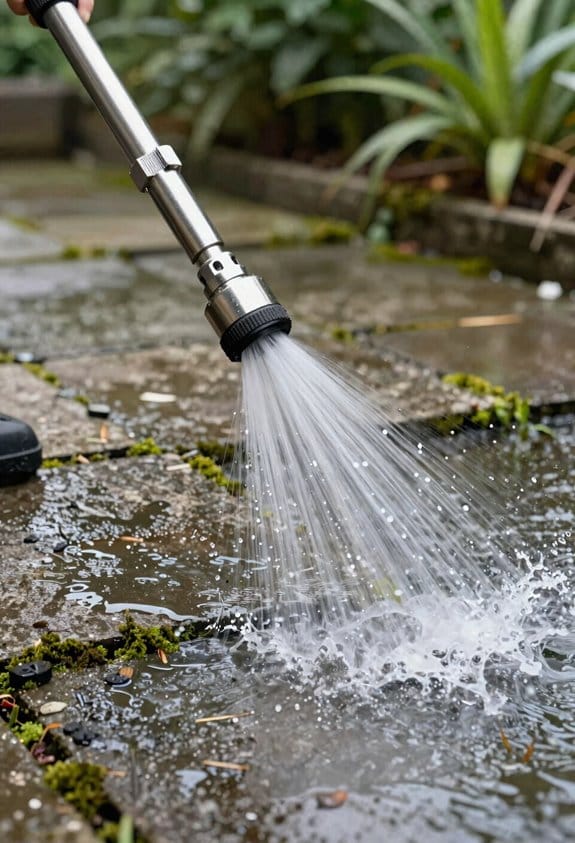
Ever get annoyed by that loud rumble when you’re trying to clean the driveway?
If you’ve tried both electric and gas surface cleaners, you’ve probably noticed the difference. Electric models usually sit around 60–70 dB, while gas‑powered ones push past 80 dB. That extra noise can be a real pain, especially if you live close to neighbors.
Frankly, the quieter electric units are a better fit for residential areas. They produce less vibration, so you won’t hear the walls or floors resonating as much. Gas machines tend to emit sharper, higher‑frequency tones that can set off complaints early in the morning or late at night, particularly in tightly packed housing.
Worth knowing: start with a sound check to see if the manufacturer’s claim holds up. A simple decibel meter or a phone app can show you how often the machine breaches typical neighborhood noise limits. If the numbers stay low, you’ll keep the peace and avoid any “too loud” warnings.
When you need a calm environment—like a backyard barbecue or a weekend DIY project—go electric. Reserve gas units for isolated sites where noise rules are looser, such as a large farm or a remote construction zone. This way you get the power you need without upsetting the community.
- Electric: 60–70 dB, lower vibration, better for homes.
- Gas: 80 dB+, higher‑frequency noise, suited for open spaces.
Try this: test the machine at the time of day you’ll most likely use it. If it sounds too harsh, switch to the electric option and you’ll keep both your project and your neighbors happy.
What’s your go‑to cleaner when you want to keep the noise down?
Portability & Weight: Electric vs. Gas
Ever wonder how much a cleaner’s weight really matters on the job site? I’ve tried both electric and gas surface cleaners, and the difference is clear: electric units average 45 lb, while gas models often exceed 80 lb, making lifting techniques essential for the heavier machines. I recommend using a sturdy dolly or a shoulder strap to reduce strain, and always secure the hose with proper cable management to avoid tripping hazards. Gas cleaners, though unwieldy, provide mobility where power outlets are unavailable, but their bulk limits quick repositioning. Electric cleaners, being lighter and compact, store easily in a van and can be moved with one hand, enhancing efficiency on residential tasks. Choose the lighter electric model when frequent relocation and easy handling are priorities.
Frankly, you’ll feel the strain less if you plan your moves ahead of time.
Worth knowing: a simple shoulder strap can turn a 80‑lb gas unit into a manageable load for one person.
Try this: load the unit onto a dolly, secure the wheels, and push instead of lift whenever possible.
If you’re working on a tight schedule, the lighter electric cleaner will let you zip from room to room without a break.
The main trade‑off is power versus portability—gas gives you freedom from outlets, but the extra weight can slow you down.
So, next time you’re picking a machine, think about how often you’ll need to move it and pick the one that fits your workflow.
What’s your go‑to method for handling heavy equipment on site?
Ideal Applications for Electric vs. Gas Washers
Ever wonder why your pressure washer sometimes feels like a light breeze and other times like a roaring engine? When you’re cleaning a family car or a small patio, an electric unit usually does the trick. It puts out about 1,300‑2,000 PSI and 1.5‑2 GPM, which is plenty for those everyday jobs. Plus, it’s quiet, emits no fumes, and you can just plug it in and go.
If you’re planning a spring‑time tidy‑up of your front steps or a quick wash of garden furniture, an electric washer keeps things low‑key and safe. You won’t have to worry about noisy exhaust or finding a place to vent fumes. It’s perfect for short, focused clean‑ups on limited areas.
For tougher jobs—like a big driveway, a commercial sidewalk, or stubborn oil stains—switch to a gas‑powered washer. These beasts deliver 2,800‑4,000 PSI and a higher flow rate, so they can blast away deep grime. The trade‑off is louder operation and the need for proper ventilation and protective gear because of the exhaust.
Fair warning: gas units demand extra safety steps. Make sure you’re outdoors, wear eye protection, and keep a clear distance from any open windows or doors. That way you stay safe while getting the job done fast.
Worth knowing: electric washers are great for quick, low‑noise tasks, while gas models shine on heavy‑duty work that needs more power. Choose the one that fits your project size, noise tolerance, and safety comfort level.
Cost Comparison: Purchase & Operating Expenses
Ever wonder why your garage floor still has those stubborn stains after a weekend of cleaning? When you’re choosing a surface cleaner, the price tag and the running costs can feel like a maze.
If you compare the upfront price tags and ongoing costs, electric surface cleaners usually cost $200‑$600 to purchase, while gas models range from $500‑$1,200, reflecting their larger engines and higher PSI ratings. I recommend viewing the initial investment as a baseline, then adding lifetime costs that include electricity utility rates, fuel expenses, oil changes, and periodic maintenance. Electric units typically draw 1.5‑2 kW, so utility rates add modest cents per hour, whereas gas units consume 1‑2 gallons per hour, inflating fuel spend. Maintenance for gas models adds filter, spark‑plug, and oil‑change costs, while electric units require only occasional cord inspection. Resale value often favors electric cleaners because they stay lighter, quieter, and have fewer wear points, improving overall cost efficiency.
Frankly, the biggest difference shows up in the utility bill. An electric unit at 2 kW will cost you about 2‑3 cents per hour if your electricity rate is 12 cents per kWh. A gas unit that burns a gallon of fuel in an hour can add $3‑$5 to your cost, depending on local gas prices. Those numbers add up quickly if you clean a big area every weekend.
Worth knowing: electric cleaners are quieter and don’t emit fumes, which makes them a better fit for indoor jobs or tight neighborhoods. On the flip side, gas models give you more power for heavy‑duty tasks and can run longer without a cord getting in the way. If you’re okay with a bit of noise and want the extra push for stubborn grime, a gas unit might be worth the extra spend.
A quick way to see which one fits your budget is to write down the purchase price, then estimate the yearly electricity or fuel cost, and finally add a few dollars for routine maintenance. For example, a $350 electric cleaner plus $30 a year in electricity and $20 in occasional cord checks comes to about $400 after five years. A $800 gas model with $200 a year in fuel and $50 in parts and oil changes ends up around $1,250 in the same period.
If you’re still on the fence, think about how often you’ll use the machine. A casual homeowner who cleans once a month will likely save more with an electric unit. A contractor who runs the cleaner daily on job sites may find the extra power of a gas model justifies the higher operating cost.
Pros & Cons Summary Table
Ever wonder why your pressure washer feels like a tug‑of‑war between power and convenience? I’ve tried both electric and gas units, and here’s the low‑down so you can pick the one that fits your chores and your pocket.
Electric
- Lower PSI (1,300‑2,000) and GPM, so it’s gentle enough for decks, patios, and cars.
- Minimal upkeep: no oil changes, just plug it in or charge the battery.
- Zero exhaust, which means no fumes and a quieter yard.
- Lightweight and easy to carry up stairs or into a garage.
- Great for residential jobs; battery‑recycling programs cut down waste.
- Warranties often last longer on the electronic parts.
Gas
- Packs a punch with PSI up to 4,000 and higher GPM, perfect for stubborn grime.
- Requires regular oil and filter checks, so you’ll spend a bit more time on maintenance.
- Emits exhaust and runs louder, which can be a nuisance in quiet neighborhoods.
- Bulkier, so moving it around takes some effort.
- Ideal for commercial or heavy‑duty work where power matters more than weight.
- No battery worries, but engine components may have shorter warranty periods.
Frankly, the choice boils down to what you value most: raw power or hassle‑free operation. If you mostly clean a driveway, a patio, or a family car, the electric model will likely meet your needs without the extra noise and fumes. Worth knowing: gas units shine when you’re tackling large surfaces, stubborn oil stains, or need to work far from a power outlet.
Try this: make a quick list of the jobs you do most often, then match each one to the pros and cons above. You’ll see which cleaner lines up with your everyday routine and your environmental preferences.
Final Recommendation: Which Washer Fits Your Needs?
Ever feel stuck choosing between a gas‑powered pressure washer and an electric one? You’re not alone—most folks wrestle with power, noise, and upkeep before buying.
When you weigh power against convenience, the choice hinges on the tasks you’ll tackle most often, the locations where you’ll work, and how much maintenance you’re willing to perform. I recommend a gas‑rated cleaner if you regularly face heavy‑duty jobs, need high PSI and GPM, and can manage fuel, oil, and filter checks, because those models harness greater cleaning force, excel on large driveways, and retain strong long‑term resale value despite higher upkeep. Choose an electric‑rated unit for residential work, indoor use, or noise‑sensitive neighborhoods, as it offers low emissions, quiet operation, minimal maintenance, and easy seasonal storage. Both types fit compact spaces, but the electric model is lighter, more maneuverable, and less unwieldy for occasional use.
Worth knowing:
- Gas washers give you the raw power for stubborn grime and big surfaces.
- Electric units keep the yard quiet and the air clean, perfect for neighborhoods with strict noise rules.
Fair warning: gas models need regular fuel, oil, and filter checks, so you’ll spend a bit more time on upkeep. Electric ones are low‑maintenance, but you’ll be limited by cord length and outlet access.
If you mostly clean a patio, a car, or a small deck, the electric option will likely meet your needs without the hassle of a fuel tank. But if you’re tackling a large driveway, a construction site, or a fleet of trucks, the extra horsepower of a gas washer can save you hours of scrubbing.
Honestly, the decision comes down to where you’ll use it most and how much effort you’re ready to put into caring for the machine. Which setup fits your weekend projects best?
Frequently Asked Questions
Can I Use a Gas‑Powered Cleaner Indoors Safely?
I wouldn’t use a gas‑powered cleaner indoors; you need proper indoor ventilation and carbon monoxide detection, because the exhaust can quickly become hazardous in enclosed spaces.
Do Electric Models Require a Special Outlet or Extension Cord?
I’ll tell you, you don’t need a special outlet—just a dedicated outlet with enough amperage. Use a heavy‑duty cord, preferably 12‑gauge, to avoid voltage drop and keep the cleaner running smoothly.
How Does Water Temperature Affect Cleaning Efficiency for Each Type?
I tell you, hotter water is a catalyst, igniting detergent activation like sunrise on a sleepy pond; both electric and gas cleaners cut deeper when the temperature rises, boosting grime‑dissolving power.
Are There Warranty Differences Between Electric and Gas Surface Cleaners?
I’ve found that manufacturer warranties often differ: electric units usually get longer coverage and simpler service plans, while gas models may have shorter terms and more conditional service plans due to engine complexity.
What Safety Gear Is Needed When Operating a Gas‑Powered Unit?
I recommend you wear hearing protection, safety glasses, gloves, and sturdy boots, and keep the fuel in a flammable storage container away from the unit while you operate the gas‑powered cleaner.


