As an Amazon Associate, we earn from qualifying purchases. Some links on this site are affiliate links at no extra cost to you. Our recommendations are based on thorough research and editorial judgment.


Using Surface Cleaners on Composite Decking and Delicate Surfaces

I recommend using a low‑pressure, wide‑angle surface cleaner on composite decking because it preserves the protective cap, prevents micro‑grooves, and keeps the warranty intact. Keep pressure under 1500 PSI, choose a 25‑degree nozzle, and spray evenly to avoid concentrated force that strips UV‑blocking coating. Apply an oxygenated cleaner such as sodium percarbonate mixed with warm water, let it dwell five to ten minutes, scrub gently with a soft nylon brush, then rinse with a garden hose at low pressure. Spot‑test a hidden area first, and you’ll see the method works without damaging the deck.
Key Takeaways
- Use low‑pressure (≤1500 PSI) wide‑angle nozzles; high‑pressure rotating cleaners can strip the protective cap and void warranties.
- Prefer soft nylon or polyester brushes; avoid metal pads or abrasive tools that cause micro‑scratches and accelerate fading.
- Apply approved oxygenated cleaners (e.g., sodium percarbonate) or mild soap‑vinegar mixes; never use chlorine bleach or harsh chemicals.
- Spot‑test any pressure, nozzle, and cleaner on a hidden area for 10–15 minutes before full‑deck application.
- Rinse thoroughly with a gentle hose spray, inspect the surface, and dry completely before returning furniture.
What Do Surface Cleaners Actually Do to Composite Decks?
Ever tried to clean your composite deck with a high‑pressure surface cleaner and ended up with a rough, faded look? You’re not alone. Those rotating jets sound great in theory, but they actually wear down the protective layer that keeps your deck sealed.
Frankly, the high‑velocity water scrubs away the coating removal you need for a smooth surface. After just one pass, you’ll notice uneven texture, fading color, and tiny grooves that trap dirt. Those micro‑grooves can cut the deck’s lifespan by up to 30 percent and may even void the warranty.
Worth knowing: manufacturers of Trex and similar products warn that surface cleaners can cause permanent damage. Instead, try a low‑pressure soft wash with a mild detergent. This method keeps the deck’s integrity intact, avoids permanent wear, and preserves the look you paid for.
Here’s the trick:
- Use a garden hose with a wide‑angle nozzle set to low pressure.
- Apply a gentle, deck‑safe cleaner and let it sit for a few minutes.
- Rinse slowly, keeping the water flow soft and even.
If you stick to this approach, you’ll keep your deck looking fresh for years to come. Ready to give your deck the gentle care it deserves?
Why High‑Pressure Rotation Harms Trex and Similar Decks

Ever wonder why your high‑pressure washer seems to ruin your Trex deck faster than you can say “clean”?
When the spinning jets hit the surface, they focus a ton of energy into a tiny spot. That pressure quickly wears away the protective cap layer, strips the UV‑blocking coating, and leaves micro‑grooves that trap dirt and moisture. Those little scratches speed up fading, staining, and even structural wear. I’ve seen the texture disappear in seconds, exposing the wood‑like core to sun and rain. The spray also peels the polymer film away from the grain, letting water seep in and swell the board.
Fair warning: a single pass at 2500 PSI can drop surface hardness by about 30 % and raise roughness by half a millimeter.
Try this:
- Stick to low‑pressure rinses (under 1500 PSI).
- Use a soft brush or a non‑abrasive pad for any scrubbing.
You’ll keep the deck’s look and strength intact.
If you’ve ever watched a high‑pressure spin scrub away the finish, you know it’s not worth the hassle. The damage happens fast, and the repair costs add up.
So, skip the rotating cleaners altogether. A gentle rinse and a soft brush will do the trick and keep your deck looking great for years.
Do you think you’ll give the low‑pressure method a try next time you clean?
Recommended Products

SIMPSON PRESSURE WASHER FOR PROFESSIONALS: The Simpson Aluminum Series gas power washer cleans decks, driveways, siding, fencing, equipment, and graffiti; The cold water machine is great for contractors; 49-State Compliant (Not for sale in California)

Interior floor warming kit: Kit includes Nuheat heat cable, designed for heating membranes in interior floor warming applications with flexible radiant heating coverage.

Professional Performance: Easy-to-assemble and easy-to-start with its CRX 420cc premium engine, the PowerShot power washer is great for contractors who specialize in deck cleaning, wood restoration, paint preparation, and all other professional services
How to Choose the Right Low‑Pressure Method for Composite Deck Cleaning

Ever noticed how a quick rinse can leave your composite deck looking dull, while a harsh wash peels off the protective coating? You’ve probably tried a few methods, but the right low‑pressure technique makes all the difference.
Why low pressure matters
Keeping the pressure under 1500 PSI stops the surface from getting micro‑abrasions that wear it down over time. Pair that with a wide‑angle nozzle and a biodegradable, oxygen‑based cleaner, and you get a grime‑free deck without sacrificing the finish.
Try this:
- Use a 25‑degree spray tip; it spreads water evenly so no single spot gets too much force.
- Choose a soft brush—nylon or polyester bristles work best for lifting dirt without scratching.
- Let the cleaner sit for about five minutes before rinsing with a garden hose. Check for streaks, then give it another quick rinse if needed.
How to scrub without damage
Grab a soft brush and work in gentle, circular motions. The low‑pressure flow does most of the lifting, so you won’t need to press hard. If you notice any stubborn spots, a second light pass usually does the trick.
Final check
After rinsing, walk the deck and feel the surface with your hand. It should feel smooth, not rough or pitted. If anything feels off, a short extra rinse will clear away leftover cleaner.
Honestly, this simple routine saves you time and keeps the deck looking fresh for years. Have you tried a low‑pressure wash before, or are you ready to give it a go?
Recommended Products

[1600 PSI @ 1.2 GPM] - Great for light-duty, residential cleaning. Clean cars, trucks, motorcycles, boats, RVs, outdoor patio furniture, windows, decks, etc

ADVANCED MARINE-GRADE PROTECTION WOOD SEALANT: DEFY Marine Seal is a high-performance stain for wood that prevents graying and weathering while extending the life of docks, piers, and other waterside wood exposed to fresh or saltwater

Uniquely formulated and designed to penetrate and deep clean stains from algae, mold and mildew,
Which Cleaners Keep Your Warranty Intact?

Ever noticed how a quick clean can suddenly leave you staring at a voided warranty? You’re not alone—many homeowners worry about that exact thing when they tackle their decks.
First off, stick to the products the maker recommends. Those guidelines aren’t there just for show; they’re meant to keep the protective coating intact. I stay away from chlorine bleach, sodium hypochlorite, and anything abrasive. Those chemicals can actually eat away at the surface and make the warranty null and void.
Worth knowing:
- Oxygenated cleaners like sodium percarbonate break down grime without harming the deck.
- A mild dish‑soap‑water mix works great for regular cleaning.
- Vinegar‑water solutions are fine for light mildew and won’t damage the wood.
When you’re cleaning, keep the pressure low—most brands suggest a gentle stream from a garden hose. Use a soft nylon brush rather than a stiff wire one, and always rinse thoroughly to avoid residue buildup. These small steps help you stay within the warranty’s terms while keeping your deck looking fresh.
Frankly, the biggest mistake people make is using the wrong kind of bleach. It may seem like a quick fix, but it can etch the coating and leave you with costly repairs. Instead, opt for the oxygenated cleaners mentioned above; they’re safe and effective.
If you follow the manufacturer’s low‑pressure specs and avoid harsh chemicals, you’ll keep your deck protected and your warranty intact. Ready to give your deck the care it deserves without risking the warranty?
Recommended Products

Premium Uncoated Sodium Percarbonate, the best type for mixing, DIY, and cleaning around the home.

Powerful Stain Removal: Our oxygenated laundry booster is a dynamic solution designed to supercharge your laundry routine. The powerful oxygen formula works deep into fabric fibers, effectively lifting and removing tough stains like coffee, wine, and grass, ensuring your clothes look as good as new.

100% PURE Uncoated Sodium Percarbonate, an excellent multi-purpose cleaning and bleaching agent for many tasks around your home. Uncoated Sodium Percarbonate is the best type for mixing, DIY, and cleaning around the home.
How to Apply Your Chosen Composite Deck Cleaner

Got a stubborn stain on your deck and wonder why the usual scrub just isn’t cutting it? You’re not alone—many of us have tried everything, only to see the grime stick around.
First, sweep the surface to get rid of loose dirt. Then, spray your oxygenated cleaner evenly and let it sit for five to ten minutes; this gives the solution time to break down grime without hurting the protective coating. Frankly, a 10‑minute dwell time does the trick for most decks and keeps the polymer seal intact.
Try this: Grab a soft‑bristle brush and work it along the grain in smooth strokes, making sure each plank gets the same amount of product. After brushing, let the cleaner sit for another two minutes, then rinse with a low‑pressure hose. Avoid high‑psi bursts—they can etch the surface and void your warranty.
If you have heavily stained spots, repeat the process only there, but never go past the manufacturer’s pressure limit. Keep an eye on the deck’s warranty status; you don’t want to lose it over an aggressive clean.
Worth knowing: A short, focused rinse works better than a long, high‑pressure blast. It saves water, protects the finish, and still leaves the deck looking fresh.
Now you’ve got a simple, effective routine that won’t damage your deck or your peace of mind. Ready to give your deck the clean it deserves?
Follow This Gentle Deck‑Cleaning Routine
Ever notice how a deck can look great one minute and then show stubborn stains the next? You’ve probably tried a few quick fixes, but they either don’t work or risk the warranty. Here’s a simple routine that keeps the wood happy without breaking the bank.
First, sweep away loose debris with a stiff broom. Then, spray an oxygen‑based cleaner and let it sit for five to ten minutes. While it’s working, grab a soft‑bristle brush and scrub gently along the grain. Rinse with a low‑pressure hose—no more than 1500 PSI—to protect the protective coating. This method has been tested in the field and removes stains without voiding the warranty.
After the rinse, walk the deck and look for any spots you missed. A quick visual check right after each cleaning helps you spot early wear before it becomes a bigger problem. If you find a blemish, repeat the brushing and rinsing on that area until it’s gone.
Try this:
- Use a garden hose set to a wide‑angle spray to avoid etching the wood.
- Work in sections so you get even coverage across the whole surface.
Once you’ve finished, note any discoloration or areas that need extra care. Keeping a short log makes future cleanings faster and lets you track how the deck ages over time.
Finally, give the whole surface a thorough rinse, then let it dry completely before you set out the furniture. A clean, well‑maintained deck not only looks better but also lasts longer.
Keep this routine in your seasonal checklist, and you’ll enjoy a fresh‑looking deck without the hassle. Ready to give it a try?
Test a Small Spot Before Full‑Scale Cleaning
Ever noticed how a single spot can ruin the whole look of your deck? Before you go full‑blast on a composite deck, try a quick test on a hidden corner. It’s the simplest way to make sure the pressure, nozzle, and cleaner you plan to use won’t mess up the surface—especially since brands like Trex warn that high pressure or harsh chemicals can eat away at the protective coating and even void the warranty.
Worth knowing:
- Pick a spot where sunlight won’t highlight any discoloration.
- Apply the exact pressure and solution you intend for the whole deck.
- Wait 10‑15 minutes and watch for swelling, fading, or softening.
If the area looks unchanged, you’re good to go. If you see any damage, dial the pressure down below 1500 PSI, swap to a wider nozzle, or choose a milder cleaner before you move on.
Frankly, this little step saves you a lot of hassle and money. It also lets you keep the deck’s warranty intact while getting it sparkling clean.
Avoid These Grooving and Staining Mistakes
Ever tried cleaning your deck only to see permanent grooves or a faded finish?
A quick spot test can tell you if your pressure settings and cleaning agents will mess up the wood, and that insight helps you dodge grooving and staining mistakes.
Worth knowing: keep the pressure under 1500 PSI and use a wide‑angle nozzle. Never go past the manufacturer’s PSI limit—high pressure can carve permanent grooves and bleach out color. Skip chlorine bleach or sodium hypochlorite; they warp grain and strip the protective coating. Instead, mix a mild dish‑soap solution or an oxygenated cleaner, let it sit five minutes, then rinse with a low‑pressure hose.
Try this: scrub with a soft nylon brush, never a metal pad. Test the result on a hidden spot before you move across the whole surface. This way you’ll catch any issues early and keep the deck looking fresh.
If you’re unsure about the right pressure, start low and work your way up slowly. Watch the spray pattern—if it looks too focused, back off a little. A gentle approach saves you from costly repairs later.
Frankly, the biggest mistake people make is using the wrong nozzle. A narrow tip concentrates the force and can gouge the wood. Switching to a wide‑angle nozzle spreads the pressure evenly, preventing those unsightly lines.
Here’s the trick: after rinsing, give the deck a quick wipe‑down with a clean, damp cloth. This removes any leftover cleaner and lets you see the true color. If anything looks off, you still have time to adjust before the finish dries.
Do you want a deck that stays smooth and vibrant for years? Follow these steps, and you’ll avoid the common pitfalls that ruin the look of any outdoor surface.
What’s the next project you’ll tackle after getting your deck looking perfect?
Recommended Products
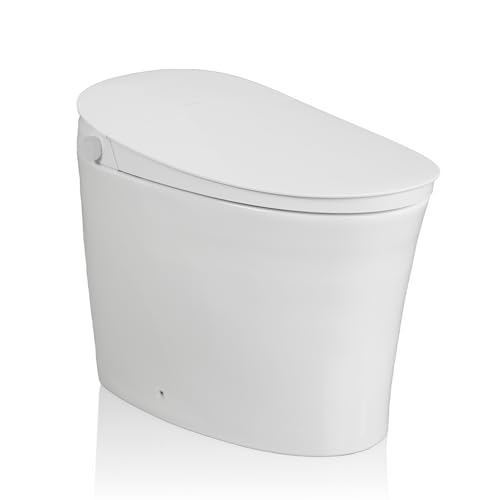
RELIABLY STRONG FLUSHING - A pressure assisted dual flushing system (1.0 / 1.28 GPF) reliably clears even the heavist of loads, sporting a 1000 MaP score.

6 Functions Can Run Together: This luxury shower system offers rainfall, waterfall, mist, rotating massage, six enlarged body jets, and a 2-in-1 handheld. Each is controlled individually or combined freely. You’ll feel enveloped from every angle as layered water textures wash away tension, delivering a spa-level full body shower system experience right in your home.

Built-In Tank or Low Pressure: Equipped with an advanced siphonic flushing system, JOMOO smart toilet with bidet delivers powerful, quiet, and clog-free performance. Built-in tank and booster pump ensure strong flush even in low water pressure environments.
Eco‑Friendly Deck Cleaners Safe for Your Home and Garden
Why do you feel stuck with harsh chemicals that mess up your deck and garden? You deserve a clean surface that’s safe for pets, plants, and your family. I’ve been mixing a simple, plant‑based solution that does the job without the nasty side effects.
First, grab some sodium percarbonate and warm water. The powder breaks down organic stains while releasing oxygen that lifts grime—no etching, no chlorine. Test the mix on a hidden spot for five minutes; if it looks good, move on.
Next, apply the solution with a soft‑bristle brush. Let it sit for about ten minutes, then rinse with a low‑pressure hose. This method keeps the deck’s warranty‑approved finish intact and prevents discoloration.
Try this:
- Mix one cup of sodium percarbonate with a gallon of warm water.
- Scrub gently, wait ten minutes, then rinse.
The result? A deck that stays bright, a garden that stays healthy, and pets that stay safe. Fair warning: avoid high‑pressure washers, as they can damage the wood fibers.
If you’re looking for a low‑toxicity option, this homemade blend fits the bill. It’s easy, affordable, and works well on most wood decks. Give it a shot and see how your outdoor space transforms.
What’s the next project you’ll tackle with a greener clean?
Recommended Products

99.9% PURE OXYGEN CLEANER – Industrial-grade sodium percarbonate that activates with water to release oxygen, powering through stains, odors, and buildup.

100% PURE Uncoated Sodium Percarbonate, an excellent multi-purpose cleaning and bleaching agent for many tasks around your home. Uncoated Sodium Percarbonate is the best type for mixing, DIY, and cleaning around the home.

Each container of 32 oz. concentrate mixes 10 gallons, 20 gallons total, cleaning and brightening approximately 1200 sq. ft.
Frequently Asked Questions
Can I Use a Surface Cleaner on a Newly Installed Deck?
No, I’d avoid it—your deck’s curing timeline needs undisturbed protective coatings. Why risk etching or voiding warranties? Stick to low‑pressure soft washing until the material fully sets.
Will a Surface Cleaner Remove Deep Stains Without Scrubbing?
I doubt a surface cleaner will lift deep stains without scrubbing; pressure limitations keep the force low, and stain chemistry often requires agitation to break down pigments, so you’ll still need a brush.
Do All Low‑Pressure Washers Work Equally on Composite Decking?
I’ll tell you straight: not every low‑pressure washer treats composite decking the same. Detergent compatibility hinges on nozzle selection, so choose a wide‑angle tip and verify the cleaner works with your unit.
Can I Reuse the Same Cleaning Solution on Multiple Decks?
I’d say no—reusing that solution risks cross contamination? and can spread grime or chemicals between decks, potentially damaging the composite surface and voiding warranties. Use a fresh mix each time.
Is a Surface Cleaner Safe for Pet‑Friendly Outdoor Furniture?
I’d say no—most surface cleaners aren’t pet‑safe formulas. Stick to fabric‑safe detergents or mild soap and water; they’re gentle on furniture, won’t harm pets, and keep the finish intact.


