As an Amazon Associate, we earn from qualifying purchases. Some links on this site are affiliate links at no extra cost to you. Our recommendations are based on thorough research and editorial judgment.


Which Type of Pressure Washer Fits Small Patios, Driveways, and Fences?

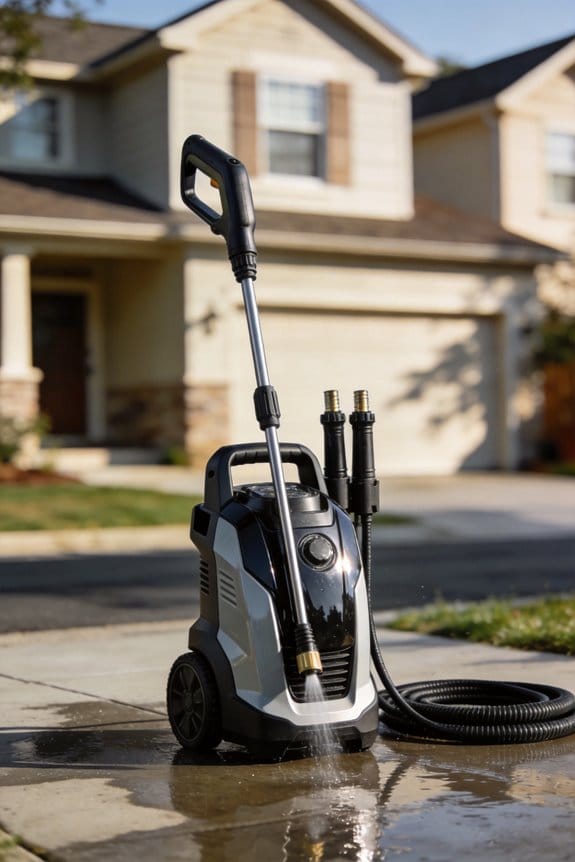
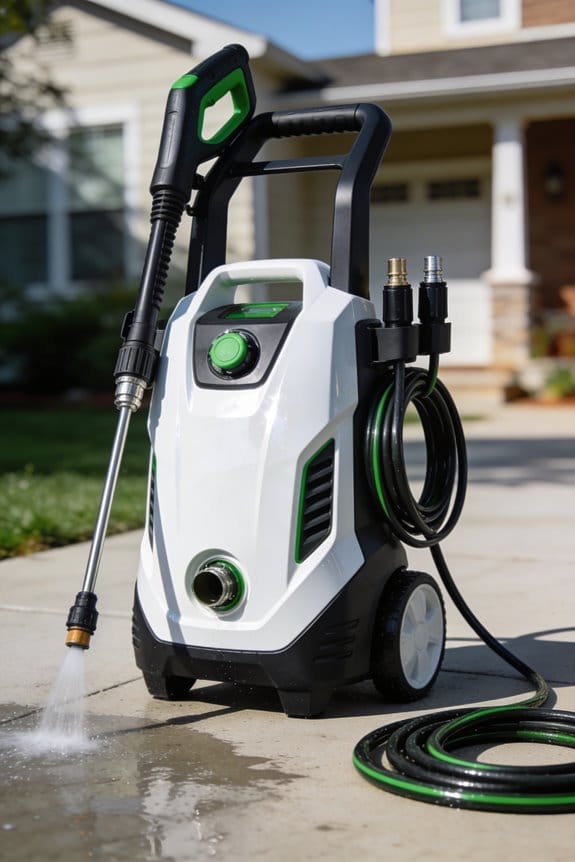
I recommend a lightweight electric pressure washer that delivers 1500‑1900 PSI and 1.0‑1.5 GPM for small patios, driveways, and fences, because it provides enough force to lift grime without harming delicate wood or painted surfaces, runs quietly, requires little maintenance, and stays under $200. Choose a 25‑degree nozzle for general cleaning, a 15‑degree tip for tougher driveway stains, and a 40‑degree tip for gentle fence work; this setup balances power, portability, and cost, and the next sections will show you how to fine‑tune performance and keep the unit running smoothly.
Key Takeaways
- Choose a medium‑duty electric washer (≈1900 PSI, 1 – 1.2 GPM) for versatile cleaning of patios, driveways, and fences.
- Use a 15‑degree nozzle for driveways and a 25‑ or 40‑degree nozzle for fences and patios to balance power and gentleness.
- Opt for a model with a detachable foam cannon or built‑in detergent dispenser for even cleaning on porous surfaces.
- Ensure the hose is at least 5/8‑inch diameter to maintain the required GPM and avoid pressure loss.
- Select a lightweight, under‑$200 unit (e.g., Greenworks, Stanley, SunJoe) for easy portability and storage.
How to Choose PSI & GPM for a Pressure Washer on Patios, Driveways, and Fences?
Ever stared at a dirty patio and wondered why some washers just can’t cut through the grime? The trick is matching the PSI to how tough the surface is and pairing the right GPM with the amount of dirt you’re moving. A 1500‑2000 PSI machine with 1.0‑1.5 GPM works great on most residential patios and light fences, while a 2500‑3000 PSI model with 1.5‑2.0 GPM tackles driveways and stubborn stains without blasting delicate material.
First, give the area a quick sweep to get loose debris out of the way. Then, check your water flow – make sure the hose can keep up with the GPM you need, otherwise you’ll lose pressure and waste time. For a wooden fence, 1500 PSI and about 1.2 GPM usually do the job; for a concrete driveway, aim for 2600 PSI and 1.8 GPM for deeper cleaning.
Try this: start with the lowest pressure setting and watch how the spray behaves. If the water seems to bounce off without cleaning, bump up the PSI a little. Keep an eye on the spray pattern – you want it steady, not wild, so the surface stays intact.
Frankly, the biggest mistake people make is ignoring the hose size. A thin hose can choke the flow, making even a powerful washer feel weak. Use a hose that’s at least 5/8‑inch in diameter for most home jobs, and you’ll keep the GPM steady.
Worth knowing: most residential pressure washers come with adjustable nozzles. A 25‑degree tip is a good all‑rounder for patios, while a 15‑degree tip works better on driveways where you need a tighter spray to lift grime.
Balancing PSI and GPM helps you avoid a spray that’s too aggressive and protects the material you’re cleaning. It also saves you from having to go over the same spot multiple times, which can wear down paint or wood.
Electric vs. Gas vs. Battery Pressure Washers: Which Fits Small‑Area Jobs?

Ever tried to clean a patio and felt the pressure washer was either too weak or too loud? You’re not alone. Most homeowners end up picking an electric pressure washer for those small‑area jobs—patios, driveways, fences—because it gives you 1300‑2000 PSI, 0.5‑1.5 GPM, runs quietly, and doesn’t need a lot of upkeep.
The electric unit’s noise stays under 70 dB, so you won’t scare the neighbors, and you just plug it in and go. It’s easy to store in a garage or shed, and you won’t have to worry about fuel or oil changes. For routine cleaning, it hits the sweet spot between power and convenience.
Battery‑powered models add a lot of freedom. You can take them anywhere without a cord, but the trade‑off is run time. Most 20‑V systems last 30‑45 minutes before you need to recharge, which can be a problem on longer fences or bigger decks. If you’re okay with short bursts and can swap batteries, the portability is a nice perk.
Gas washers pack more punch, delivering higher PSI and flow rates. The downside? They’re heavy, noisy, and you have to keep a stash of fuel and oil handy. They also need regular tune‑ups, which adds time and cost. For a small patio or driveway, the extra power usually isn’t worth the hassle.
Worth knowing:
- Electric: 1300‑2000 PSI, 0.5‑1.5 GPM, quiet, low maintenance.
- Battery: Portable, 30‑45 min run time, limited for larger jobs.
- Gas: Highest power, noisy, fuel‑dependent, more upkeep.
If you’re mainly cleaning a few square feet at a time, the electric option gives you enough pressure without the noise or fuel fuss. It’s also the easiest to store and brings out whenever you need it.
So, which one fits your needs? Think about how often you’ll use it, how much space you have for storage, and whether you mind a cord. The electric washer usually ends up being the most practical choice for small‑area work.
Ready to try one out on your next cleaning project?
Light‑Duty vs. Medium‑Duty Pressure Washers: When to Pick Under 1900 PSI or 1900‑2800 PSI?

Ever sticky a patio that just won’t quit looking dull? You’re not alone—most of us wrestle with that stubborn grime and wonder if a big, pricey washer is really needed.
A light‑duty washer under 1900 PSI is usually enough for a modest patio. It gives you 0.5–1 GPM, enough to lift dirt without hurting the surface. You’ll want this range for pressure‑sensitive spots like sealed stone, painted railings, or delicate wood fences, because the lower force keeps erosion and paint lift at bay.
When the job gets tougher—think driveways, larger decks, or heavily stained fences—a medium‑duty model between 1900‑2800 PSI steps up. It still feels manageable for home use but adds the power you need. These units typically push 1‑2 GPM, striking a good balance between cleaning speed and water use.
Fair warning: too much pressure can damage even the toughest materials. If you’re not sure which level to pick, think about the surface’s tolerance first. A softer surface calls for the lighter option; a hard, porous one can handle the higher PSI.
Worth knowing: store your washer in a dry, sheltered spot during the off‑season. Keeping it away from freezing temps and moisture helps the pump and hoses last longer.
Try this: before you start, run a quick test on a hidden spot. If the water spray lifts the dirt without harming the finish, you’ve got the right pressure. If it leaves a faint mark, dial it back a notch.
These tips should help you match power to each surface, avoiding over‑kill and unnecessary wear. What’s the toughest stain you’ve tackled lately?
Choosing the Right Nozzle Color for Your Pressure Washer

Ever notice how your pressure washer feels like a Swiss‑army knife, but you’re not sure which tool to pull out for each job? Picking the right nozzle color can make the difference between a sparkling surface and a costly mistake.
I’ve already covered how PSI and GPM set the power, so now let’s match the spray pattern to what you’re cleaning. Each nozzle hue tells you the spray angle and flow rate, which in turn affects how fast the tip wears out.
- Red (0‑degree) – This one shoots a tight, powerful jet. It’s great for stubborn stains, but the narrow stream can chew up the tip quickly if you use it on delicate surfaces.
- Yellow (15‑degree) – A solid middle ground. You get good power and decent coverage, perfect for driveways or fences where a bit of abrasion is okay.
- Green (25‑degree) – Wider spray that’s gentle enough for most patios. It saves the tip and keeps you moving efficiently.
- White (40‑degree) – The widest pattern, ideal for cars, furniture, or any surface that needs a soft touch. It really helps the nozzle last longer while protecting the material.
Frankly, the colors are a handy memory aid: red means intensity, yellow is duty, green is versatility, and white signals gentleness. When you’re choosing a nozzle, think about how tough the surface is and what you want to achieve. If you’re tackling a tough oil stain on a concrete driveway, the red nozzle will cut through fast. For a quick rinse of your backyard furniture, the white nozzle will do the job without leaving marks.
Here’s the trick: swap out the tip whenever the spray starts to look uneven or you notice a drop in pressure. That simple habit keeps performance steady and extends the life of your whole setup.
So, next time you fire up the washer, ask yourself: which surface am I treating, and how much pressure does it really need? Pick the matching color, and you’ll get a cleaner result with less wear on your equipment.
Ready to give your pressure washer the right nozzle for the job? Let’s see how it changes your cleaning routine.
Which 3 Budget‑Friendly Pressure Washers Are Best for Patios and Fences?

Ever stared at a dirty patio and thought, “I could use a hand‑hold, not a full‑size machine”? You’re not alone. When you’re on a budget, picking the right pressure washer can feel like hunting for a needle in a haystack. Below are three solid picks that keep you under $200 while still tackling grime on fences and decks.
Greenworks 1500 PSI Electric Washer
- 1.2 GPM flow gives enough power for most outdoor jobs.
- Comes with a 25‑degree nozzle and a detachable foam cannon—great for painted fences that need a gentle touch.
- Lightweight and easy on move around, so you won’t be wrestling with a heavy hose.
Stanley 1475 PSI Light‑Duty Washer
- Pumps out 1.0 GPM, perfect for quick clean‑ups.
- Includes a 40‑degree nozzle and an extension wand that reaches high railings without a ladder.
- Compact design means you can store it in a garage corner and pull it out when the weather calls.
SunJoe SPX3000
- Packs 1900 PSI and 1.04 GPM, a sweet spot for tougher patio stains.
- Features a 15‑degree nozzle and a built‑in soap dispenser that works with foam cannons for even coverage.
- Still under $200, it balances power and price without sacrificing durability.
Worth knowing: All three models are lightweight, so you won’t be stuck lugging a brick‑sized unit around your yard. They also come with the accessories you need to get a good clean without buying extra parts later.
Try this: Start with the lowest‑pressure setting on any of these washers, then move to a narrower nozzle if you need more punch. That way you protect delicate wood while still getting rid of moss and dirt.
Frankly, the biggest mistake people make is buying a washer that’s too powerful for their needs, which ends up wasting money and sometimes damaging surfaces. Stick with one of these three, and you’ll have a reliable tool for years to come.
Which one fits your next weekend project?
How to Maintain Your Pressure Washer Year‑After‑Year?
Ever noticed how your pressure washer sputters after just a few uses? It’s usually a sign that something’s been missed in the upkeep. I’ve learned a few tricks that keep mine humming for years, and they’re easy enough to add to your routine.
First, give the whole thing a good drain at the start of each season. Water left inside can cause rust, and a simple tilt will let it all flow out. Then, walk the hoses over and feel for any soft spots or cracks—replace any you find before they burst. The nozzles wear out too, so swapping them when the spray starts to look uneven saves you from a sudden loss of pressure.
Try this:
- Flush the pump with antifreeze before winter and store the unit in a dry spot.
- Replace the filter every three months using the type the maker recommends.
These two steps alone cut down on most of the common headaches.
Next up, check the spark plug on gas models or the battery connections on electric ones. A dirty plug or loose wire can make the motor stumble, and a quick clean with a wire brush gets things running smooth again. After that, fire up the washer and watch the pressure gauge. If it’s off from the spec sheet, you know something’s off and can troubleshoot before it turns into a costly repair.
Fair warning: Skipping the seal inspection can lead to leaks that waste water and damage the pump. Take a moment to look around the pump housing and tighten any loose clamps. A tight seal keeps the pressure steady and the pump cool.
Seasonal storage isn’t just about tucking the machine away. When you’re done for the year, dry everything off, cover the hoses, and keep the whole setup in a climate‑controlled area. That way, you won’t have to fight rust or mildew when spring rolls around.
Following these habits year after year has kept my washer reliable with barely any downtime. Got any other tips you swear by? Let’s hear them!
Frequently Asked Questions
Can I Use a Pressure Washer on Painted Wood Without Damage?
I’d say you can, but only if you check paint compatibility and lower the pressure. Adjust the PSI to a gentle setting, use a wide‑angle nozzle, and test a small spot first.
Do Battery‑Powered Washers Need Special Storage in Cold Weather?
I store my battery‑powered washer in a dry, insulated spot, keep it fully charged for winter charging, and use a cold‑proofing sleeve for freeze protection, so the battery stays healthy through cold weather.
What Is the Ideal Distance to Hold the Nozzle From a Fence?
I’ve found that 70 % of users achieve ideal cleaning when they keep the nozzle about 12‑18 inches from the fence; using a 25‑degree angle reduces surface tension, preventing streaks and damage.
Are Detergent Additives Safe for All Nozzle Colors?
I’ve found detergent additives are chemically compatible with all nozzle colors, but I always rinse thoroughly to prevent residue buildup, especially on white and yellow nozzles where lingering film can affect performance.
How Often Should I Replace the Pump’s O‑Ring?
I’d say check the pump maintenance chart and inspect the o‑ring each season; its lifespan usually spans 12‑18 months, so schedule replacement before wear shows, keeping the seal inspection routine tight.